Indian broad beans with ground nut:

It is a very tasty vegetable and is known as Chikdikayi, chapparadavare or Indian broad beans. This subzi/dry curry is one of our favourite and whoever tastes this subzi, usually asks for the recipe. So, I thought of sharing this recipe in my blog as well. I learnt this from our family friend who hails from Gulbarga, Northern part of Karnataka.

How it is made –

Ingredients:

Indian broad beans – 500 Gms

Garlic – 10 -12 cloves

Red chilli powder – 1 to 2 tsp.

Salt

Crushed roasted groundnut – ½ cup

Oil- 2 tbl sp.

Method:

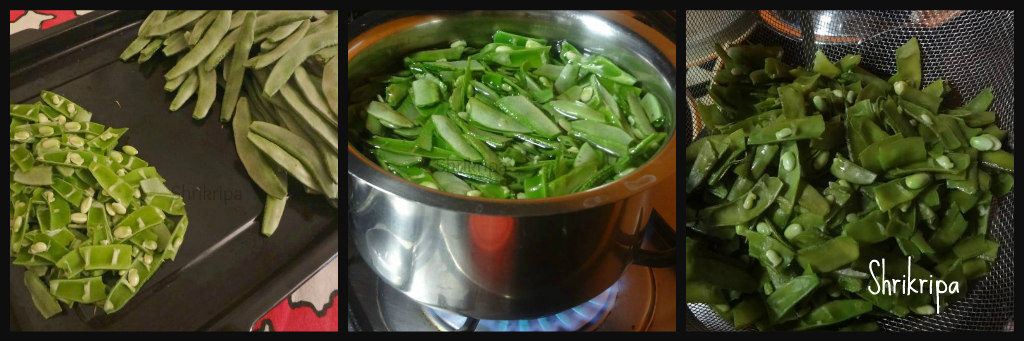
-Remove both side’s fibre and slit open, to see. Slit at the centre and keep aside.

-Now keep one pot of water for boiling, add little salt to it. When it starts boiling, add broad beans including bean as well.

-When it changes colour, drain the water and keep aside.

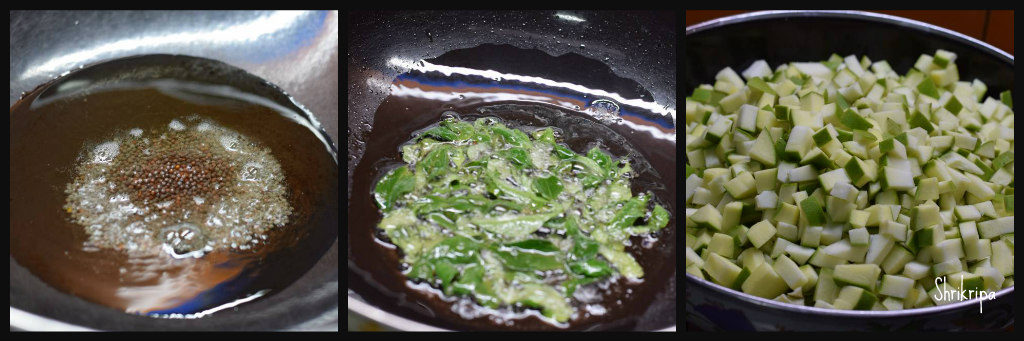
– Keep one thick bottomed kadai, put oil. When oil becomes hot, add crushed garlic and fry a little. Now add cooked and drained beans.

-Add sufficient amount of salt and red chilli powder and mix nicely. Cook until oil leaves from the sides.

-Now add crushed or roughly powdered ground nut and mix for a while.

-Serve with Chapati/phulka’s or rice.

Note: I usually add ready ground nut chutney powder (which has red chilli powder, salt and garlic)

If you are using chutney powder like me, decrease the amount of salt and red chilli powder while adding at the beginning.


Vegetable Pulav (Bangalore Style):

Vegetable Pulav is very versatile and made in many ways. Each house or family has their own favourite recipes. But this one is found in any small darshini or small eateries in Bangalore. It is a native Bangalore style Pulav which is green in colour due to the usage of Pudina and coriander leaves. It is fried with onion and other masalas and ground to paste. Selection of the vegetable is also unique. With other vegetables, Knol khol, double beans as an added attraction, when compared to normal Pulav. Added to all this, we find deep fried bread croutons.  

Ingredients:

Basmati rice – 3 cups (small steel tumbler)

Beans – 10

Carrot – 1

Knol khol – 2

Green peas – ¾ cup

Double beans – ¾ cup

Lemon – 1

Bread slices – 3

For Masala: (please refer the picture)

Oil – 2 table spoons

Cinnamon – 4 to 5 small pieces

Clove – 4

Cardamom – 2

Black pepper – 10 to 15

Cumin – 1 table spoon

Onion – 2 (medium)

Green chillies – 5 to 8

Ginger – 2-inch piece

Garlic – 12 to 14

Mint / Pudina leaves – 1 fist full

Coriander leaves – 1 fist full

Fresh Coconut – 1 small cup

Seasoning:

Oil – 8 to 10 table spoons

Cumin – 1 tea spoon

Bay leaves – 3 half pieces

Marathi moggu – 2

Star anise – 2

Method:

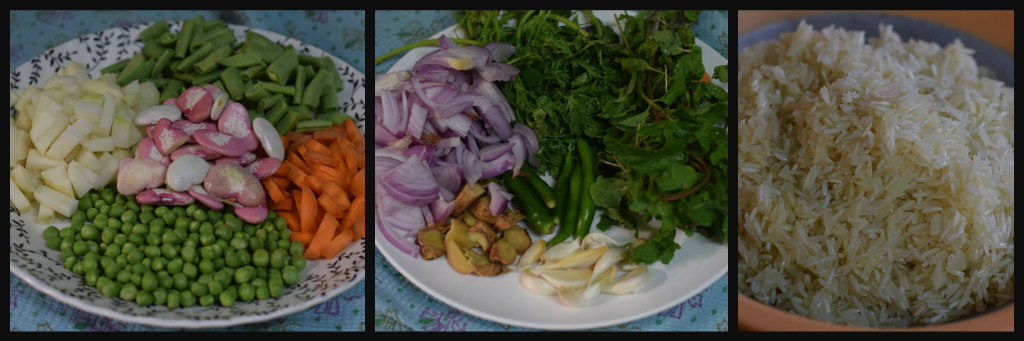
-Wash rice a couple of times, soak and keep aside.

-Wash pudina, coriander leaves, Chop veggies, onions etc. If you are adding double beans and green Peas keep it ready.

-Now prepare ground masala: Take everything under masala and keep it ready by washing or chopping.

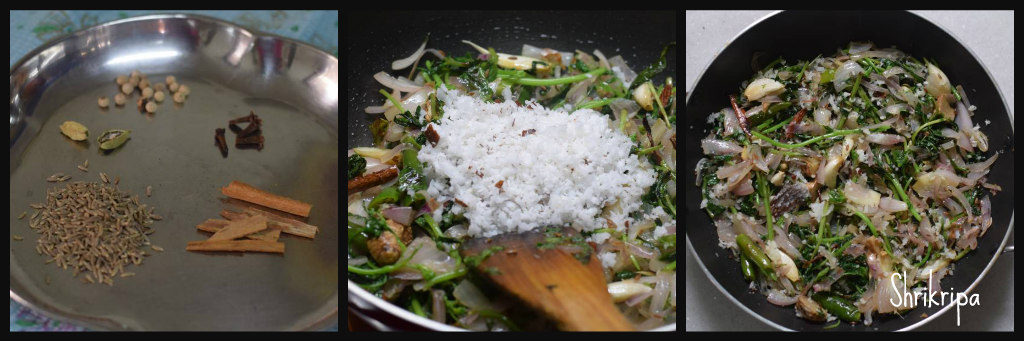
-Take one wok, heat oil, drop all the dry spices from cinnamon to cumin.

-Fry onions, garlic, ginger, green chillies when onion becomes transparent add pudina and coriander.

-Fry until it wilts. Add coconut and fry for 2 minutes and switch off the gas.

-Cool, grind into paste by adding very minimum water. Keep aside.

-Now we would move towards the main preparation. It is the time to drain the soaking rice.

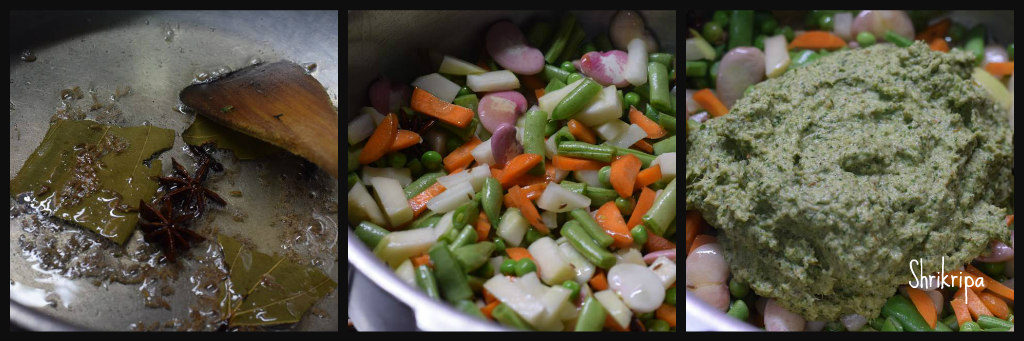
-Take one pressure cooker, pour oil for the seasoning, drop all the dry spices from cumin to star anise, fry for 2 minutes.

-Now put all the veggies, green peas, double beans and fry nicely until raw smell vanishes and all the pieces coats with the oil.

-Next comes the turn of adding ground green masala and salt. Fry nicely and lastly add drained rice and fry for couple of minutes.

-Add water (I normally add 1: 2 for Basmati rice or Sona masuri rice) If you are using small grain (Jeera rice) Use 1: 1 ½ ratio for water. Here 1 is rice and 2 or 1 ½ is water.

-Use rice measured cup for water measurement.

-Check for salt and squeeze lemon and close the lid. Cook for 1 whistle and keep it in a simmer for 2 to 3 minutes.

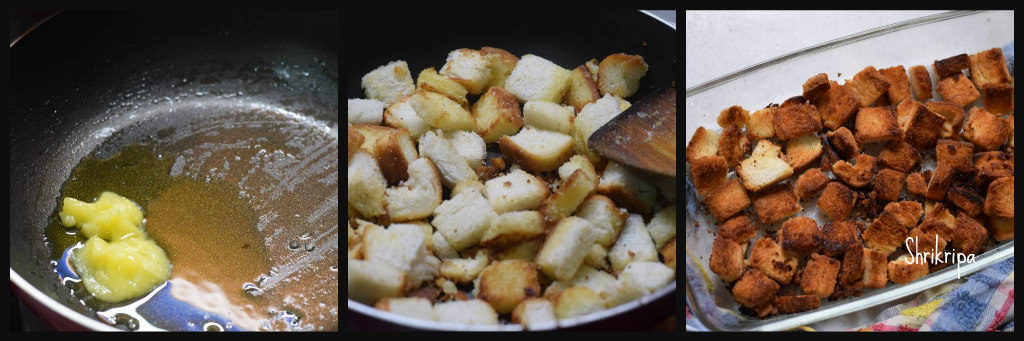
-During this time, we can prepare bread croutons. Usually bread pieces will be deep fried, drained and added.

But, I normally avoid deep frying and make it like this.

-Take one tawa, drop couple of spoons of ghee or oil, when it is hot, drop the bread pieces and fry for 2 to 4 minutes, until all the bread pieces coats partially and half roasted.

-Now switch off the gas, spread those bread pieces in a baking dish, bake for 20 minutes or until it is crisp in a pre-heated oven or convection microwave at 170-degree C.

-When Pressure relieves, open the cooker lid and mix in bread croutons and mix well. Close the lid and leave for some time to soak all these bread pieces to absorb the aroma.

-Then serve with Onion raita at the side.


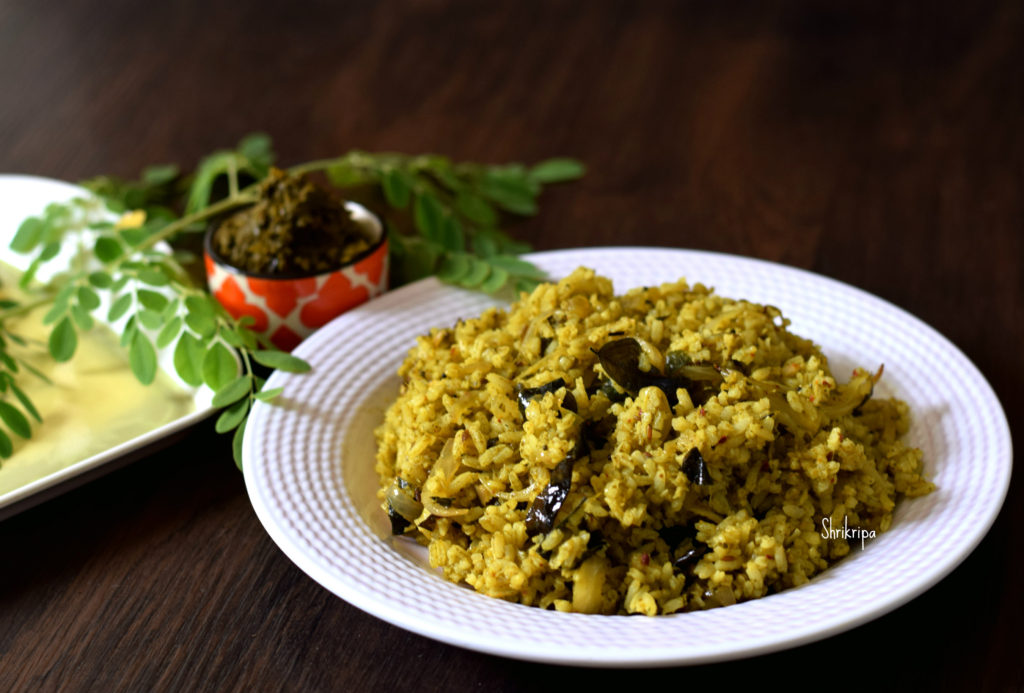
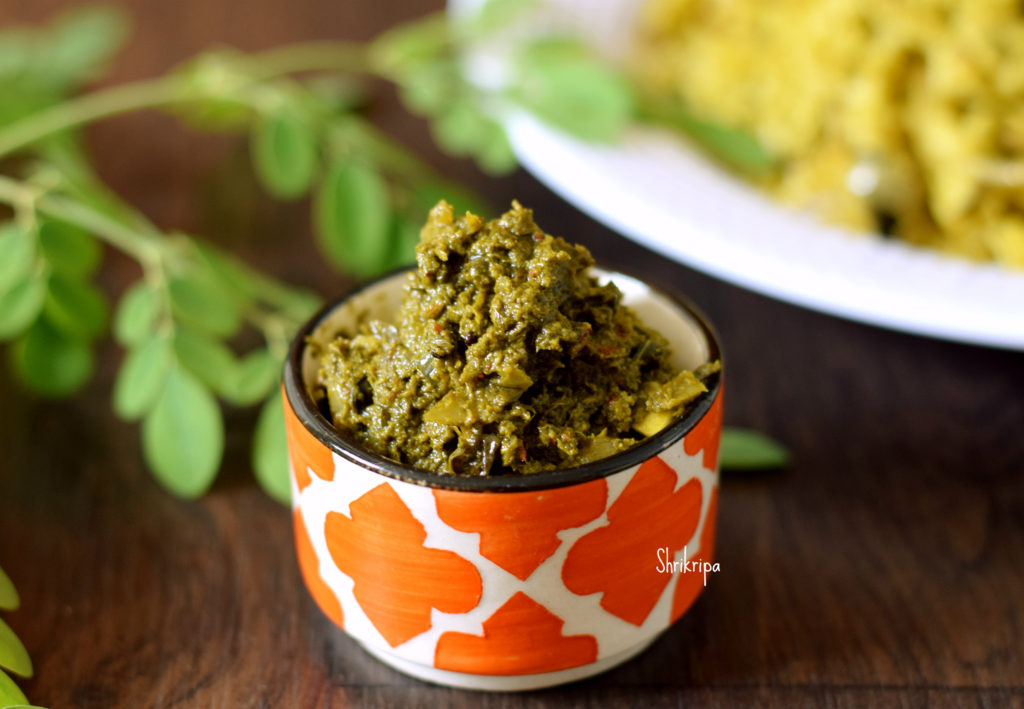
Moringa / Drumstick leaves chutney and Rice:

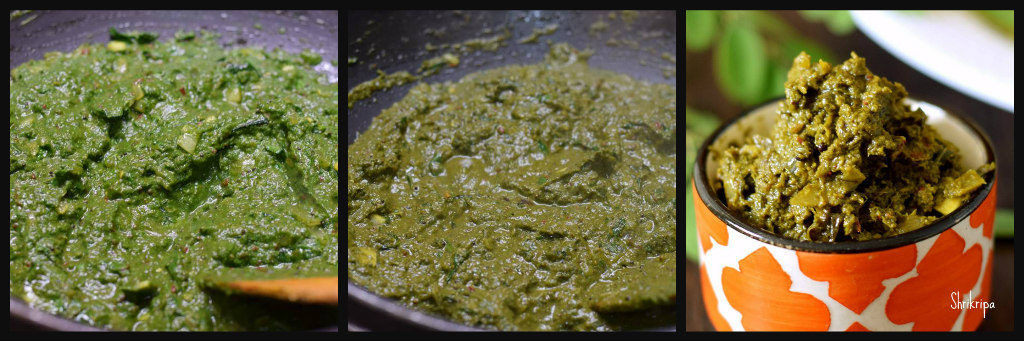
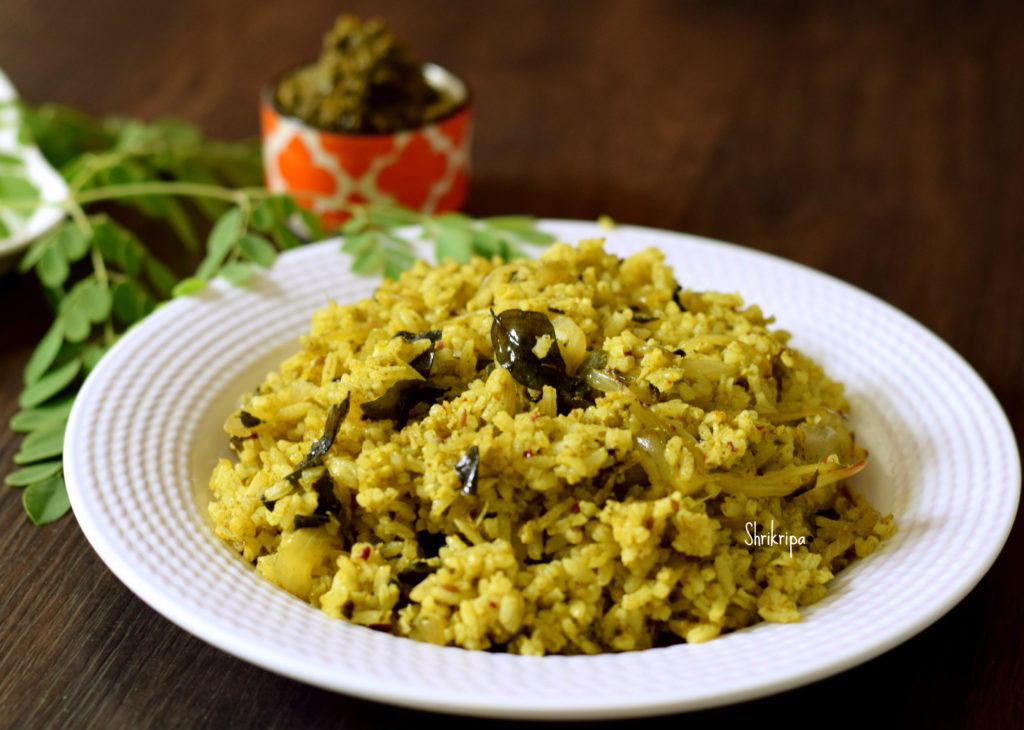
Nugge Soppu ,Moringa or Drumstick leaves are a power house of nutrients.  Back in 2016 I had tried a bunch of drumstick recipes to publish in Vijaya next kannada daily. This chutney recipe is from that trial and after that it is in my regular menu and I have made it many times, as well as tried to mix this same chutney into cooked rice after doing some seasoning and liked it a lot and It is an awesome way to feed small kids with added goodness of moringa.

I will first describe how to make chutney and at last I will add the procedure of rice as well.

This chutney stays good for up to one week and we can store this in a refrigerator and can be enjoyed as a side dish or make rice item and relish and can be packed as a carry meal in a tiffin box as well.

Procedure for  Chutney:

Moringa leaves – 4 cups (keep aside some young leaves for seasoning)

To be ground:

Roasted red chillies – 3

Black pepper – 3

Garlic – 10 cloves

Tamarind – ¼ tea spoon

Coriander leaves – 3 table spoons (chopped)

Cumin – 1 tea spoon

Jaggery – ½ to 1 tea spoon

Salt

Seasoning;

Oil – 2 table spoons

Mustard – 1 tea spoon

Curry leaves – 2 strings

Garlic – 10 cloves (chopped)

Onion – 1 (chopped)

Turmeric – ½ tea spoon

Method:

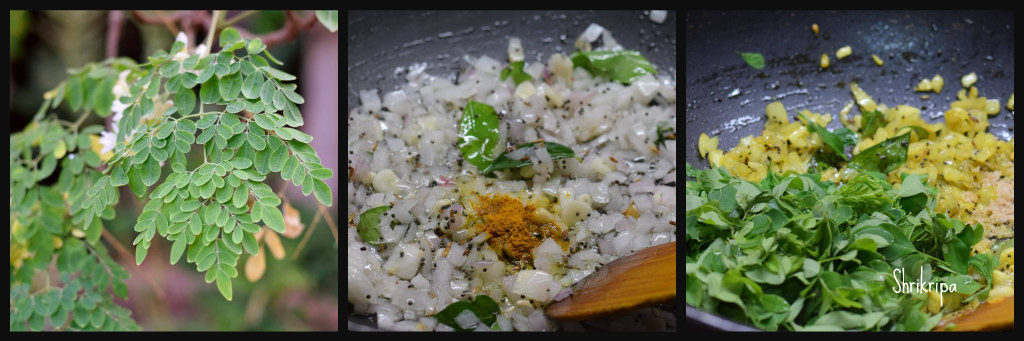
-Take moringa leaves (keep aside a little) and grind with all the items under “To be Ground” from Roasted red chillies to salt in the list by adding little water into coarse paste.

-Now take one kadai, do seasoning part. Heat oil, splutter mustard, add curry leaves, chopped garlic, onion ,turmeric and fry until onion and garlic becomes light brown.

-Add moringa leaves, which we have kept aside and fry till it wilts and add ground paste and fry for 3 to 5 minutes or until raw smell vanishes and mixture changes in colour.

-You can serve this as a side dish with hot rice and ghee. This chutney stays good under refrigeration and can be used as a moringa rice mix as well.

Now we will see the procedure for Moringa Rice:

It is simple. Take some oil and put one tea spoon of cumin, little curry leaves and one or two table spoons of ready chutney, little salt and mix nicely. Switch off the gas. Mix required amount of ready cooked rice in this mixture and mix nicely to devour aromatic moringa rice. If you have ready chutney around, it is a quick recipe.


Instant Stuffed Brinjal:

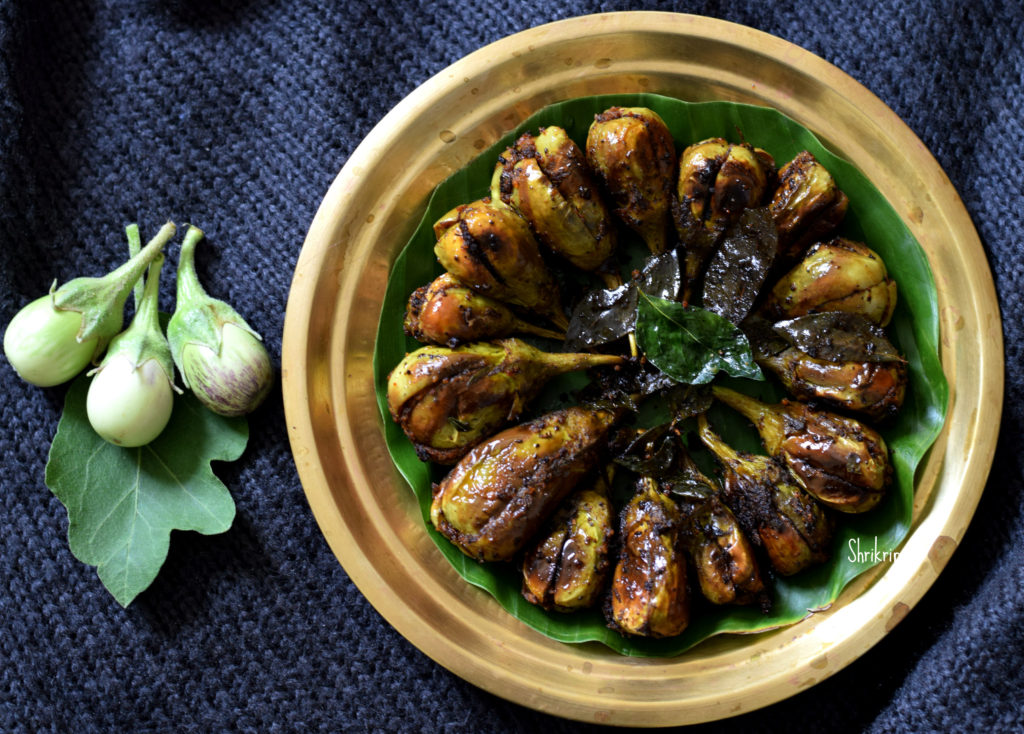
Tiny brinjals are very delicious in dry curries as well as in gravies. When I have plenty of home grown organic brinjals, I normally make this quick dish, which can be handy as well as tasty when you are super lazy to cook. If chutney powder (any chutney powder will do) is around, within no time you will be able to make this delicious dish. It can be relished as a starter, side dish or with curd rice.

Ingredients:

Tiny Brinjals – 12

Garlic Chutney powder – 2 to 3 table spoons

Hucchellu/ gurellu or Nigella seed powder – 1 tea spoon (optional)

Red chilli powder – 1 tea spoon

Amchur powder – ½ tea spoon

Salt

Turmeric – ½ tea spoon

Cooking oil – 2 tea spoons

Method:

-Hucchellu powder is purely optional. If you have roasted Hucchellu powder, use it.

-Take one bowl, mix chutney powder, gurellu powder, salt, turmeric, red chilli powder, amchur powder, salt.

-Wash brinjal, make 2 slits (+ shape) and fill this mixture and keep aside. If any mixture is remaining, keep aside.

-Take one kadai, add oil. When oil becomes hot, add masala filled brinjals and toss for couple of minutes.

-Sprinkle little (1 table spoon) water and close the lid and cook in a low flame.

-Once again sprinkle water in between and cook until brinjal shrinks and cooks properly.

-Lastly, sprinkle remaining masala mixture, give one stir and serve as you wish.


Garlic Chutney Powder:

Basically, it is a very simple garlic flavoured dry coconut chutney. One of the most loved condiments of my kitchen. It works wonders when you sprinkle it on Dosa or onion uthappam while making. When you are lazy to prepare fresh coconut chutney, take this chutney powder and drizzle some coconut oil and relish with any south Indian breakfast items. It works just fine with North Indian Parata as plain or mix it with sweetened curds and relish. It tastes yummy with hot rice as well with ghee. Sometimes I even use this chutney powder as a stuffing for some veggies as well 😉. So, overall it is a multi-dimensional ingredient.

Garlic is intensely high on aroma as well as flavour. When you roast it and use it, aroma increases even more. It is considered as very good for human health. Garlic is widely used in medicinal purpose to combat many illnesses.

As we grow coconut in our coastal area, chutney powder will be made by adding dried coconut and because of its no moisture content, shelf life of the powder increases, and health benefit of dry coconut can be included by this way as well. Health benefit of dry coconut is many, and it contains many essential nutrients, dietary fibres and some important minerals as well.

I use Urad dal for its nutritional benefit as well as for its aroma with added benefits from the Chillies and curry leaves as well as sharing one more version of  chutney powder with added neem  flower at the end of this post.   

Now I will jump into the procedure –

Ingredients:

Dry coconut / Copra – 2

Dry red chillies – 20 to 25 (Byadagi)

Urad dal – 1 to 2 table spoons

Garlic – 2 (whole)

Curry leaves – 10 – 15 strings

Tamarind – 1 tea spoon

Salt – as needed

Sugar or jaggery powder – as needed.

-At first, slice coconut into thin chips.

-I usually air dry these slices for one or two days in open air (optional)

-Wash curry leaves and spread this to air dry.

-Dry coconut has high degree of oil content and while roasting and powdering, it tends to leave oil and becomes wet. When I tried to make after air drying, it never becomes wet and powdering becomes very easy.

-After air drying, make powder by using mixer grinder. This step will help in equal roasting.
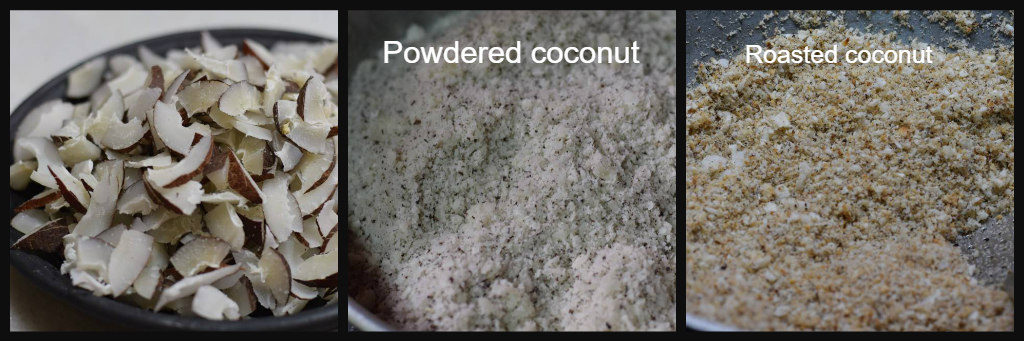
-Take one kadai, dry roast urad dal until it becomes light brown.

-Dry roast garlic (I usually clean only loose skin of garlic clove and leave inner skin intact).

-Dry roast air dried curry leaves until crisp.

-Roast Red chillies by sprinkling some coconut oil.

-Dry roast coconut powder.

-Spread everything and cool.

-Take one mixer grinder, powder urad dal, red chillies at first. Then add curry leaves and powder.
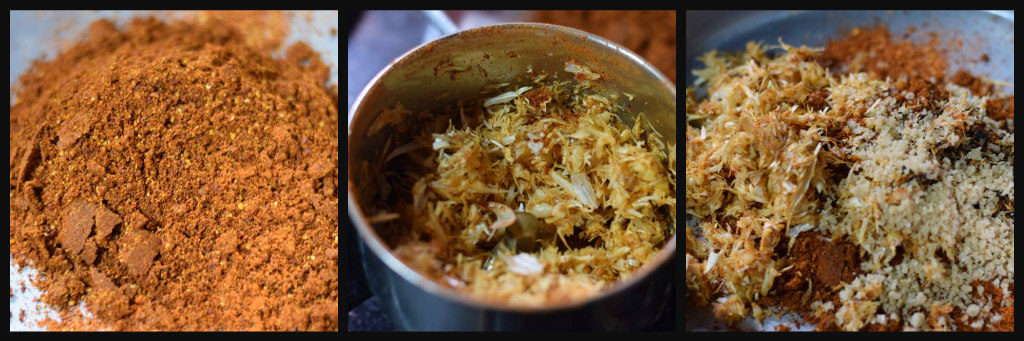
-To this add garlic and use “PULSE” option and churn for a short interval.

-Now you will see a mass of masala.

-Take out all this and mix with roasted and cooled coconut.

-Now add salt, sugar or jaggery, tamarind and mix.
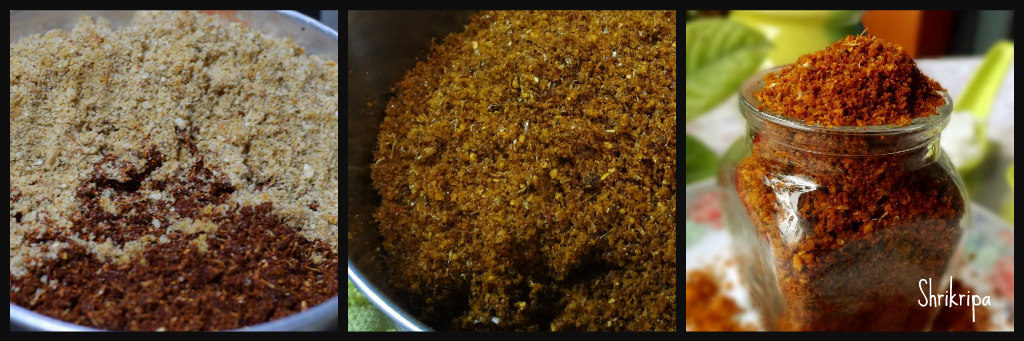
-Now take this mixture little by little and “pulse” in a mixer grinder to attain powder form.

-After completing the procedure, use dry hand and mix a whole lot of chutney powder nicely in one vessel.

-Check for salt, sugar, chilli.

-If needed add red chilli powder, salt or sugar and adjust.

-After it cools down, store it in a dry container. It stays good for 3 to 4 months in normal temperature or without any refrigeration.

Garlic Chutney powder with Neem Flower: Perfect for winter months.

Same recipe to follow and If you want to add Neem flowers in this chutney recipe, you can use dried neem flowers with all the other ingredients of garlic chutney powder.
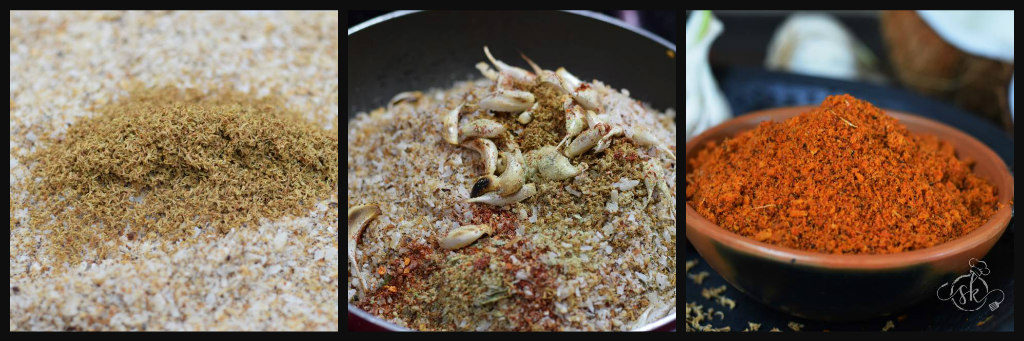
Dry roast sun dried flowers for a couple of minutes, cool and add with other ingredients while dry grinding the powder and enhance the nutrition value during winter months.

It equally tastes great like regular garlic chutney powder.



Kashaya / Herbal drink:

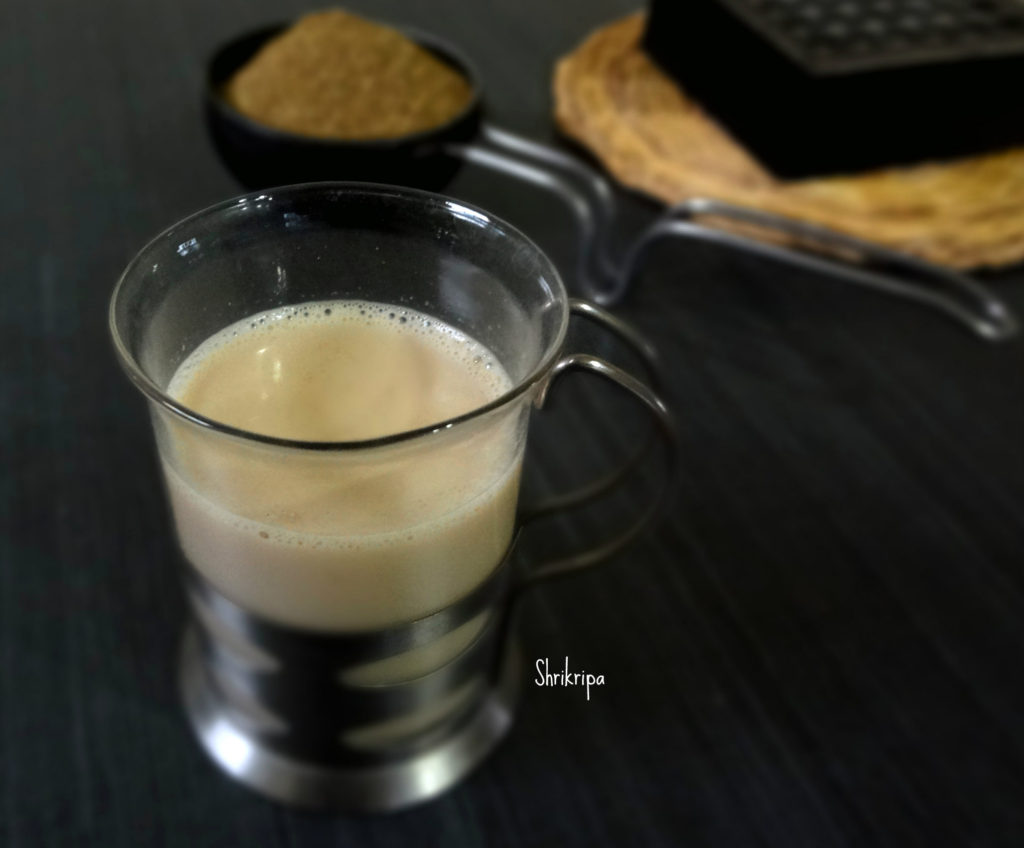
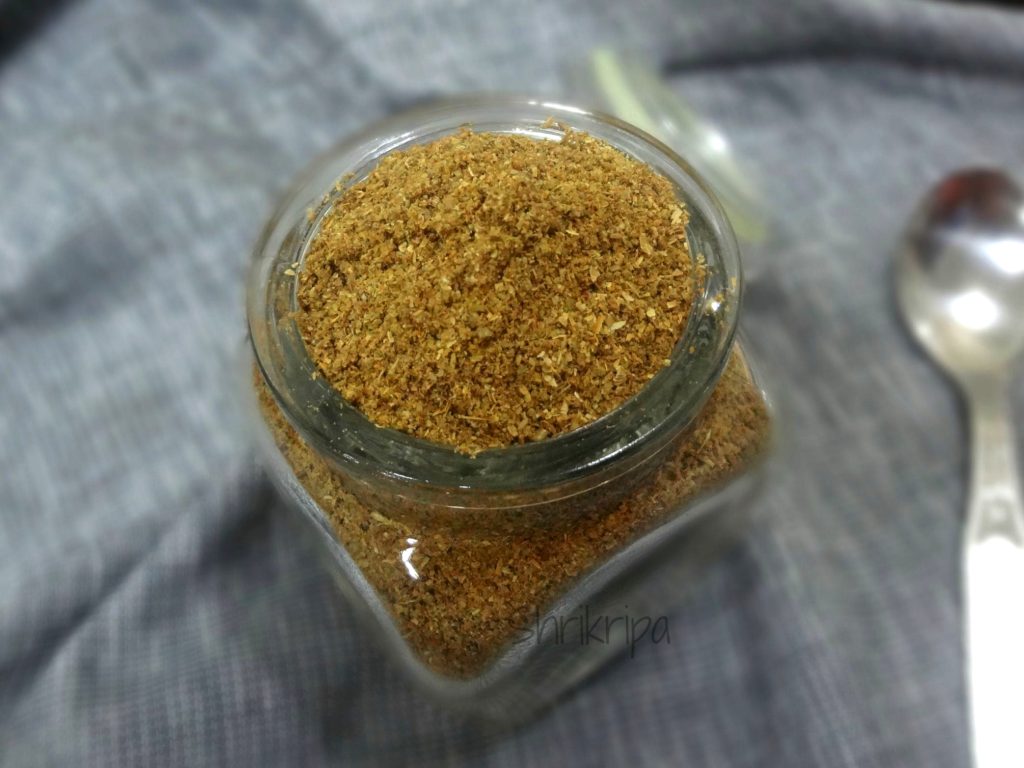
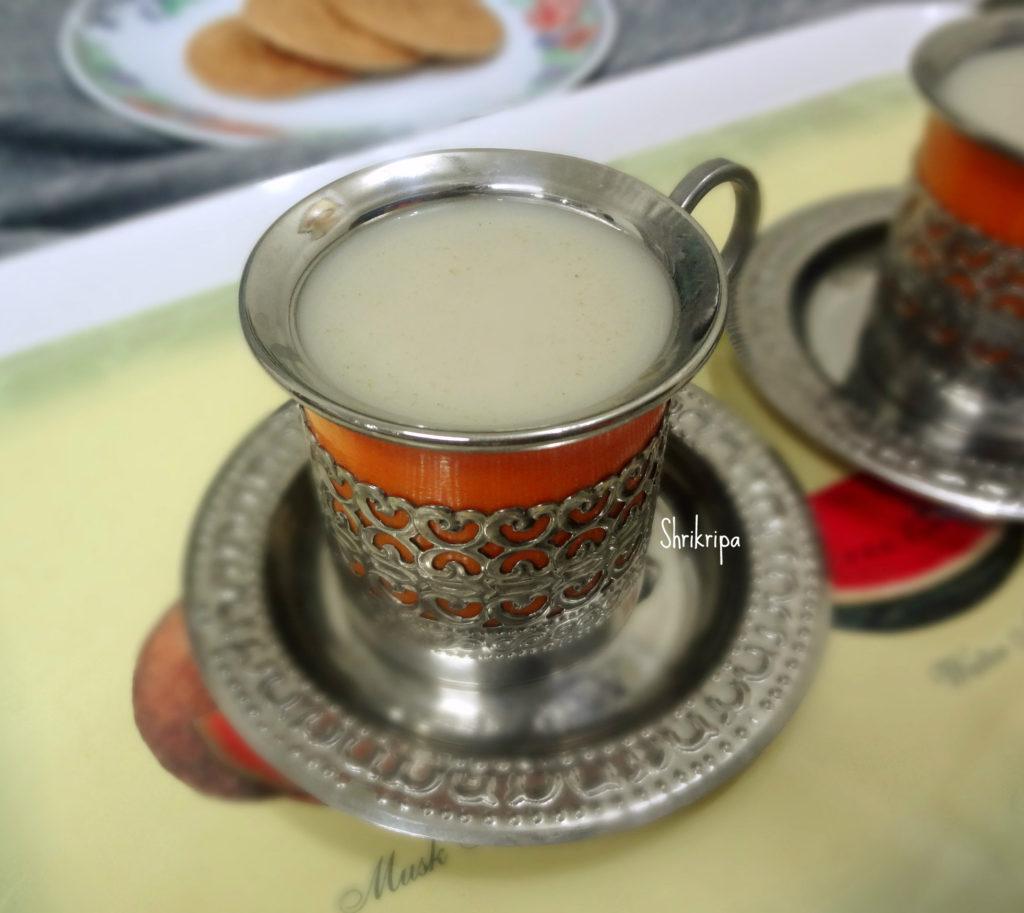
Kashaya is a herbal drink; unlike tea or Coffee, it is a decoction of a group of herbs used in our day-to-day cooking. This recipe is my dad’s favourite one, and we have followed this recipe for ages. Kashaya is an alternative drink for people who don’t want to consume Coffee or tea due to various reasons like acidity etc. It has multiple health benefits too.   


I usually prepare this powder and keep it as an alternative drink to tea or Coffee and usually prefer this in monsoon season.

To prepare Kashaya powder:

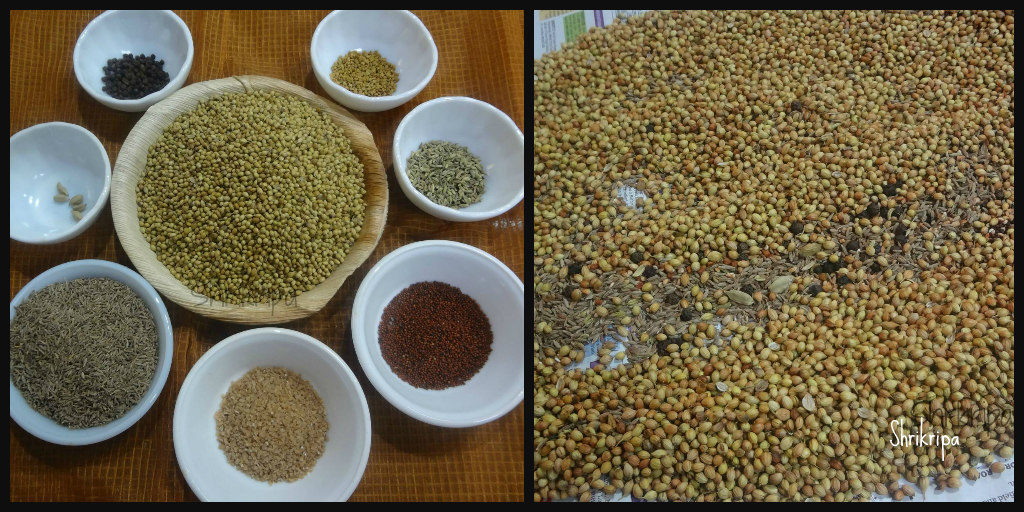
Ingredients:

Coriander seed – 200 grams.

Cumin – 100 grams

Fenugreek seeds – 2 tsp.

Fennel seed /saunf – 2 tbl sp

Whole wheat /broken wheat – 3 tbl sp

Finger millet /Ragi  OR Whole Moong – 2 tbl sp

Black pepper – 2 tsp.

Cardamom – 5

Method:

-Measure everything and keep it ready.

-Slowly dry roast everything one by one till it emits an aroma.

-Spread these roasted items on paper and cool.  

-Now take one dry mixer grinder jar and powder this.                 

-Cool completely and store this powder in an airtight container.             

To prepare Kashaya:

Ingredients:

Water – ¾ cup

Kashaya powder – 1 tsp

Sugar or jaggery – as required

Milk – ¼  to ½ cup

Method:

-Boil water by adding Kashaya powder and sugar or jaggery.

-After boiling it for 2 to 3 minutes, add milk and remove it from the flame.

-Sieve the mixture and enjoy your herbal drink or Kashaya.

NOTE: You can omit whole wheat and replace it with the Whole moong or add moong as an additional ingredient. 

Totapuri Mango Pickle:

Totapuri is a speciality of southern states of India. These mangoes are large in size, slender, oblong and has a prominent beak like pointed tip. The skin of the mango also tastes really good  and sweetish.

Totapuri pickle is unusual. Unlike other mangoes Totapuri is not that sour, usually used in salads, mango rice or raw mango jams. It is also known as Ginimoothi because of its pointed end. This pickle is not that hot and goes very well with curd rice or roti’s. I used to enjoy this pickle from my childhood and now my daughters also like this as much as I do. I learnt this recipe from one of my cousin sisters, who used to gift me a bottle of this pickle every year and hence has fond memories attached to it too.

Ingredient:

Raw Mango –  3 kgs (Totapuri variety works out well)

Sea Salt – 1 to 1 ¼ cup

For pickle Masala:

Dried red chillies – 50 (Byadagi variety)

Black pepper corns – 2 tea spoons

Mustard – ½ cup

Hing – peanut size

Sesame seed – 2 tea spoons

Turmeric – 3 tea spoons

Seasoning:

Sesame oil – 2 table spoons

Refined oil – 2 table spoons

Mustard – 1 table spoon

Curry leaves – 2 to 3 springs

Method:

-Wash and remove upper stalk, chop the mangos into small bite size pieces. Discard inner seed.

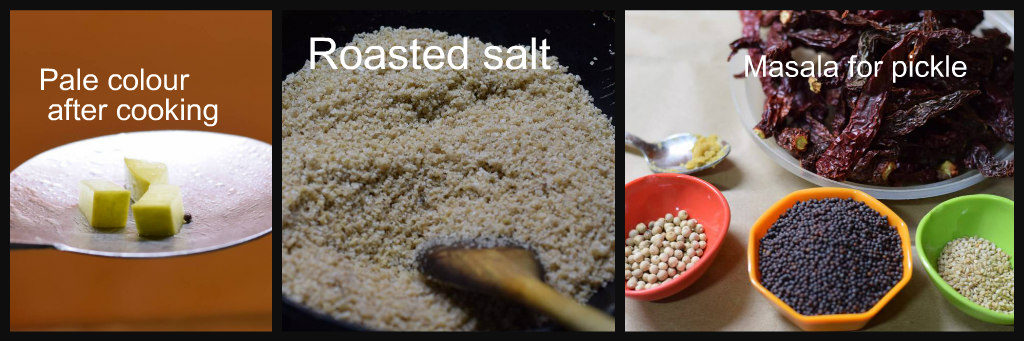
-In small tawa, dry roast crystal/sea salt until it becomes crisp and white in colour. Cool.

-Take one thick bottomed tawa, get it ready for seasoning. If you are accustomed with the taste of sesame oil, go ahead and use only sesame oil. Otherwise take how I have listed.

-Heat oil, splutter mustard, add curry leaves, fry for 2 minutes. Add Mango pieces and cook by mixing in between until skin becomes pale.

-Switch off and mix in dry roasted salt and keep aside for 3 to 4 hours or until it is cool.

-In the meantime, prepare for the pickle masala.

-Take the tawa, in which you have roasted the salt at the beginning.

-Dry roast one by one like this. First mustard, then sesame seed, next pepper corns, hing.

-Now take one tea spoon of oil and fry red chillies in a low flame until it is crisp. Cool it.

-When it is cool, add turmeric with these ingredients and make powder.

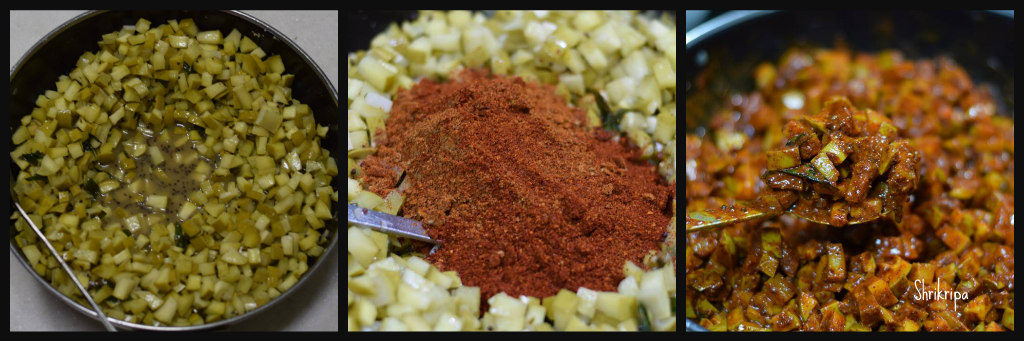
-At this time, mangoes will be ready, and water will be oozed out.

-Mix the powder with mango pieces. Fill the pickle into sterilized bottle and seal.

-After couple of days, you can start using this pickle.


-Store this in a refrigerator for longer shelf life.

-Enjoy with Curd rice, Roti or with any breakfast.


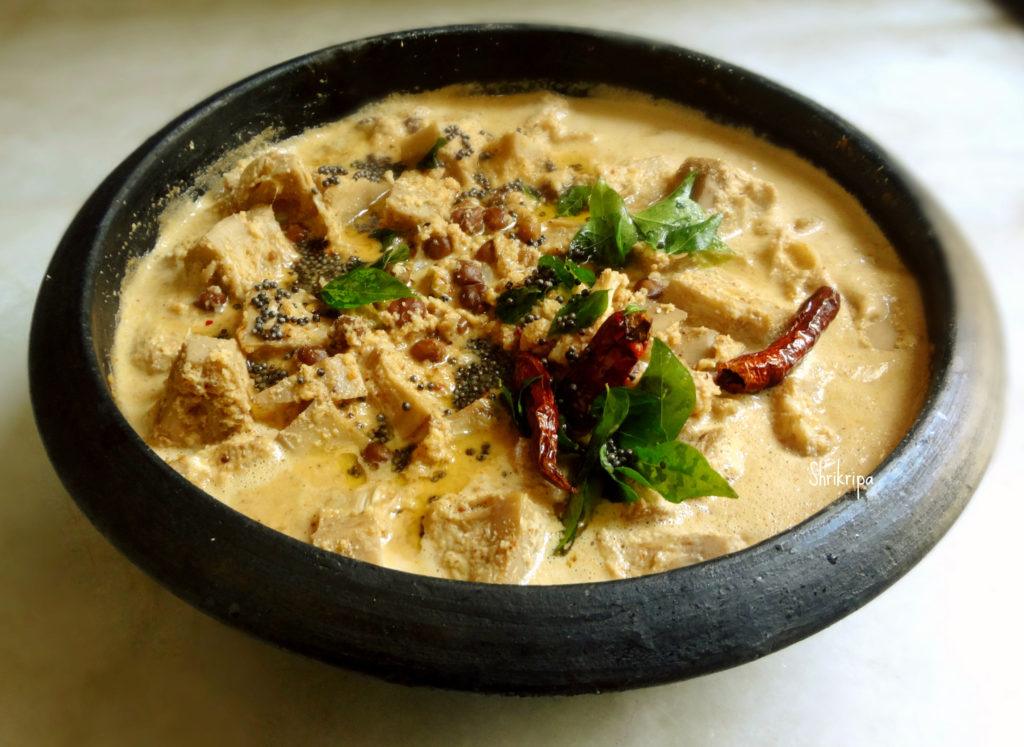
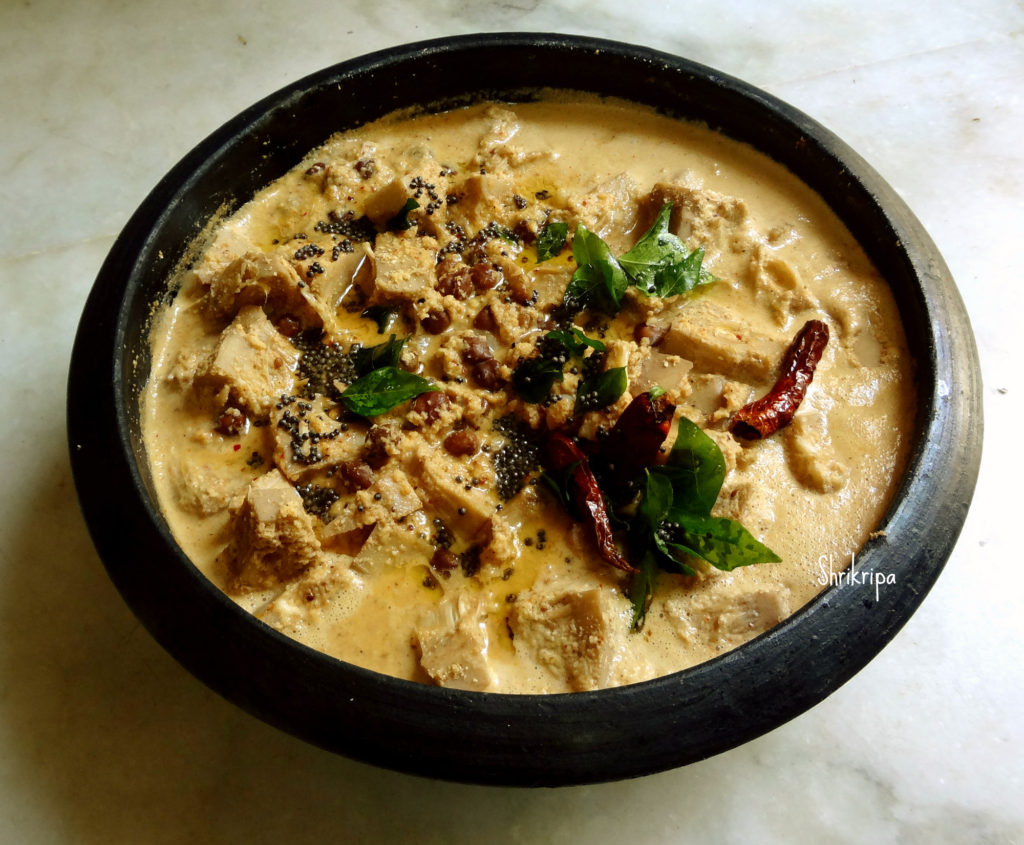
Gujje kadle gashi / Tender jackfruit and whole black chickpeas curry:

Tender jackfruit is an integral part of our traditional cooking. Till now I have shared a couple of recipes and today I am going to share one more tender jack recipe which is prepared by pairing it with protein rich black chickpea, which is also known as kala chana, black chana in India.

Tender jackfruit is a super food, which is high in vitamins, minerals and dietary fibers and at the same time, less in calories, salt and fats. Now a day, it is available in almost all parts of the globe as fresh or frozen.

This curry is double beneficial because of additional benefit by adding black chickpea. Which is also known as Bengal grams, Garbanzo beans or Kala chana which has darker skin and thick outer cover and has high roughage.

DSC07426_Fotor

Ingredients:

Tender jack or Gujje pieces – 1 bowl.

Black chick peas/chana – 1 cup

Salt

Jaggery – 1 tea spoon

Red chili powder – 1 tea spoon

Coconut oil – 1+2 tea spoon

Masala:

Grated Coconut – from half coconut

Coriander seeds – 1 tea spoon

Urad dal – 1 tea spoon

Methi – ¼ tea spoon

Hing – one pinch

Red chillies – 3 to 4

Tamarind – ½ tea spoon

Season:

Coconut oil – 1 tea spoon

Mustard – 1 tea spoon

Red chilli – 1 (optional)

Curry leaves – 1 or 2 springs

Method:

-Wash and soak Black chana overnight. Drain the soaked water the next morning.

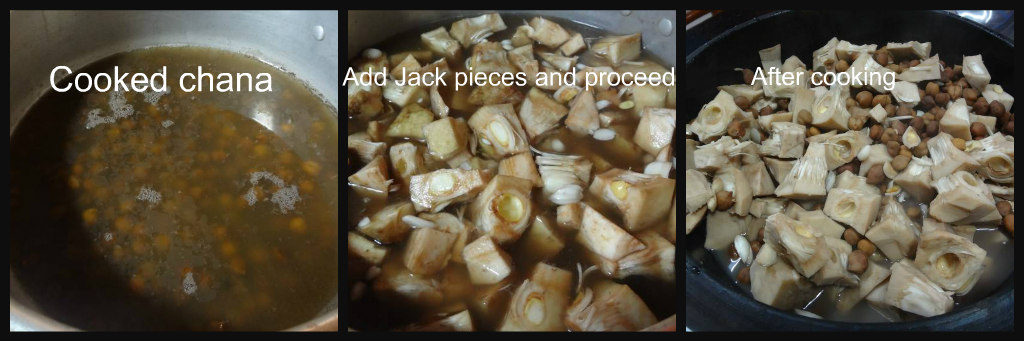
-Take one pressure cooker, cook chana by adding sufficient water. It requires around 4 to 5 whistles.

Ribbet collage

-Add Tender jack pieces into cooked chana, if needed some water, salt, red chilli powder and jaggery and cook in an open fire, until jack pieces are soft.

-In the meantime, prepare masala:

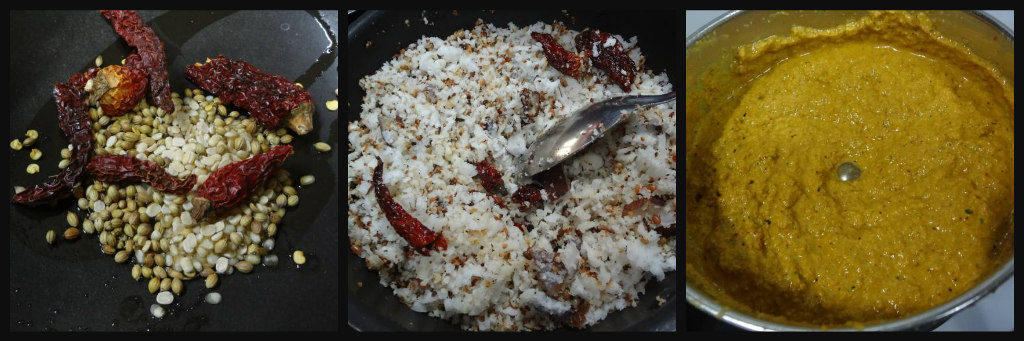
-Take 1 tsp of coconut oil in a tawa, fry methi, add coriander, hing, urad dal, red chillies and fry until urad dal becomes red. Next add coconut and fry until it emits fragrance.

Ribbet collage 2

-Cool the mixture, add tamarind and grind into little rough paste by adding water.

-Add the ground masala into cooked veggie mixture, boil.

-Add seasoning, heat coconut oil, splutter mustard, add red chilli (optional), curry leaves into oil and pour the mixture over boiled curry.

DSC07427_Fotor

-After adding the seasoning, add 2 tsp of raw coconut oil and keep it covered until u serve. This is to get an authentic taste.


Temple Style Vegetable Sambar:

Usually people ask me regarding recipe of sambar, which is served in Coastal Mangalore temples. In our coastal temples, prasadam is served in the form of afternoon lunch. It is a simple lunch, served on a plantain leaf. which usually includes palya, rice, Rasam, sambar, payasam and buttermilk. Speciality of this lunch is, taste of the Rasam or sambar will linger in your mouth even after some time.

Commonly used vegetable for this kind of sambar is Ash gourd, sweet pumpkin or Coloured cucumber. You can take any one of these above-mentioned veggies and make. Here freshly roasted and ground masala has been used and onion or garlic is a taboo ingredient in prasadam lunch.

DSC_4627_Fotor

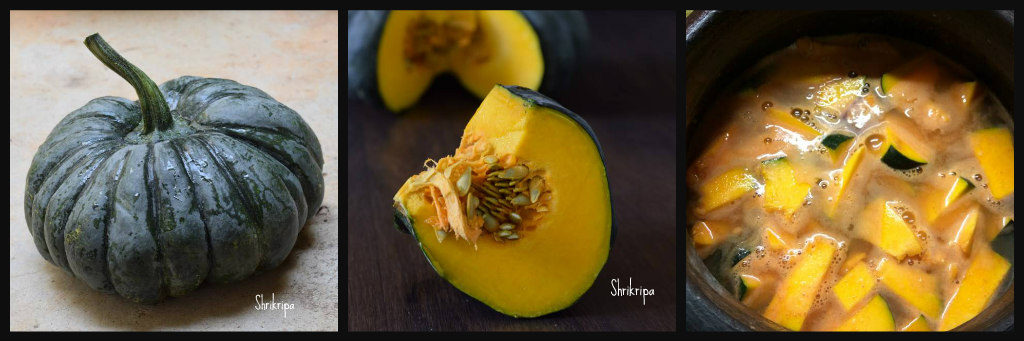
Here I have used home grown Sweet pumpkin –

Ingredients:

Sweet pumpkin – ½ kg (you can use coloured cucumber or Ash gourd as well)

Salt

Jaggery – 1 to 2 tea spoons (adjust according to your taste)

Red chilli powder – ½ tea spoon

Coriander seeds – 1 table spoon

Cumin – 1 tea spoon

Methi – ¼ tea spoon

Hing – pea nut size (hard hing) or ½ tea spoon of powdered hing.

Urad dal – 1 tea spoon

Chana dal – 1 tea spoon

Red chillies – 3 to 4

Coconut – ½ cup

Curry leaves – 1 spring

Toor dal – ¼ cup

Turmeric – ½ tea spoon

Tamarind – ½ – 1 tea spoon

Seasoning:

Coconut oil – 1 table spoon

Mustard – 1 tea spoon

Red chilli – 1

Curry leaves – 1 spring

Method:

-Cook toor dal after washing and keep aside. (don’t use more dal)

-Remove central seed part. Chop veggies, as bigger chunks.

Ribbet collage 1

– Cook chopped veggie by adding sufficient water, salt, jaggery, red chilli powder.
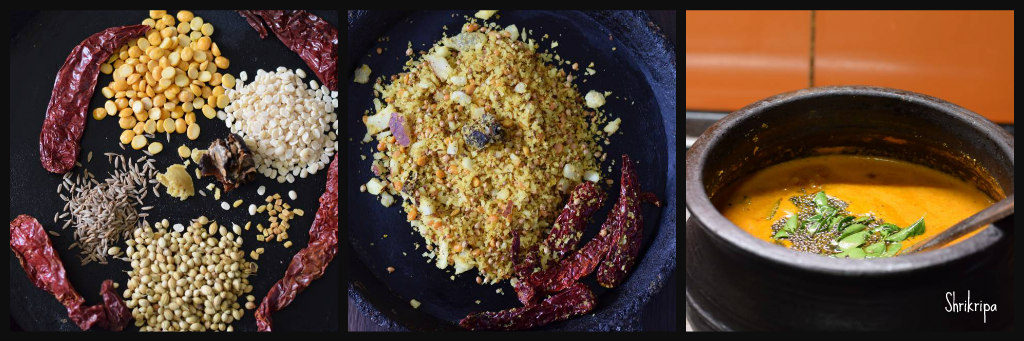
-In the meantime, roast masala for grinding.

Ribbet collage 2

-Take one thick kadai, add 1 tea spoon of coconut oil, fry methi seeds until light brown.

-Add in coriander, cumin, Hing, Red chillies, urad and Chana dal and proceed frying until dal becomes light brown and red chillies puffs and roasts.

-Add in coconut, curry leaves and turmeric, proceed frying for 2 to 3 minutes or until you feel the aroma of coconut.

-Cool this mixture and grind into not so smooth paste by adding tamarind and sufficient water.
– Now mash cooked dal add dal and freshly ground masala to cooked veggie and boil.

-Check for salt, jaggery and adjust. When it boils add seasoning.

-Heat coconut oil, mustard, red chilli, when mustard splutters, and curry leaves and pour over the prepared(boiled) sambar.

-Serve with hot rice.


Coloured Cucumber Seeds Rasam:

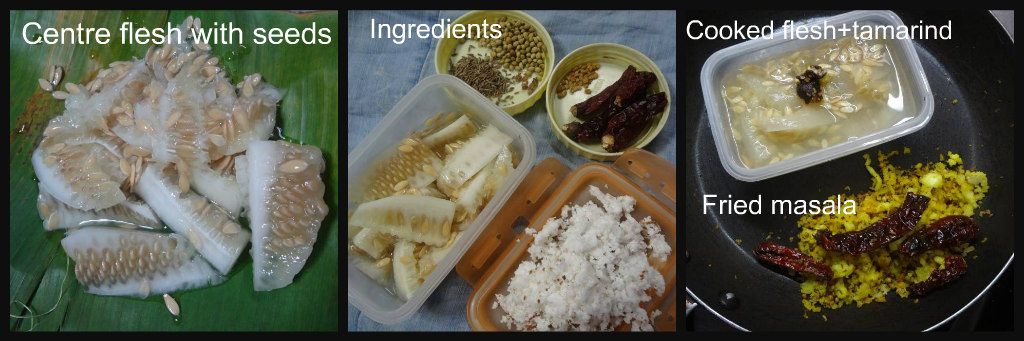
Coloured or Mangalore cucumber has fleshy interior centre part, which has jelly like watery fleshy part with edible seeds. Which are rich minerals and rich in nutrition. Traditionally we call this Rasam as Sauthe kai beeja da saaru. Literal translation of this is, sauthe kai beeja means cucumber seed, saaru is Rasam, which is watery in texture and consumed as an appetizer or with hot rice during summer season to maintain our body temperature.

Before using the core, check the fleshy part for bitterness. If it has bitterness, discard and don’t use in cooking. If you find core part to be flavourful or without bitterness, go ahead and use it in your cooking to enrich your body, like our elders did.

DSC03506_Fotor

How to make this traditional goodness –

Ingredients:

Fleshy seeded part – of one coloured cucumber

Coriander seeds – 1 table spoon

Cumin seeds – 1 tea spoon

Hing – peanut size

Fenugreek seeds – ¼ tea spoon

Red chillies – 4 t0 5

Turmeric – ½ tea spoon

Coconut – ½ cup (grated)

Tamarind – ½ to 1 tea spoon

Coconut oil – 1 tea spoon

Salt – as needed

Jaggery – ½ tea spoon (optional)

For Seasoning:

Coconut oil – 1 tea spoon

Mustard – 1 tea spoon

Red chilli – 1

Curry leaves – 1 spring

Method:

-Collect seed coated flesh part of one coloured cucumber.

-Cook this in a small cooker for one whistle (cooking will help in extracting the pulp) and cool.

Ribbet collage 1

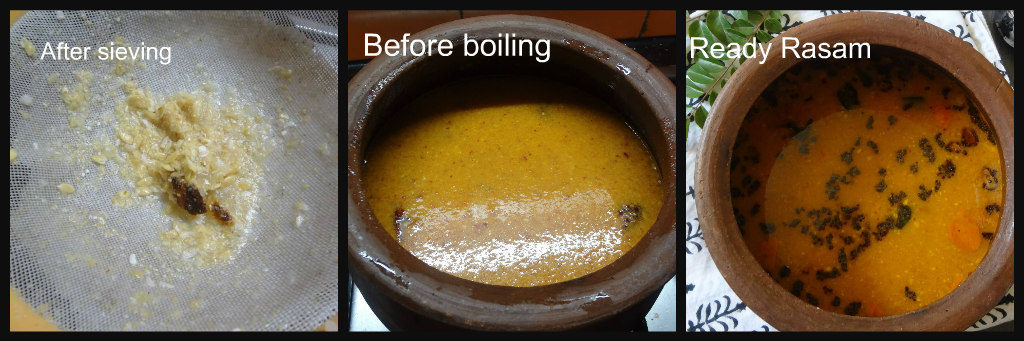
-Grind cooked pulp by adding one cup of water and tamarind and collect the liquid by sieving.

-Grind the roughage one more time, by adding one more cup of water and sieve once more.

Ribbet collage 2

-Discard the remaining roughage if any.

-Now prepare masala by heating oil. Add fenugreek at first.

-When it becomes light brown, add coriander, cumin, hing, red chillies and fry until fenugreek becomes dark and coriander becomes light brown.

-Add coconut, turmeric and fry for two minutes or until you get nice aroma.

-Cool this roasted masala and grind into smooth paste by adding sufficient water.

-Add the masala to extracted cucumber seed water.

-Adjust the consistency, add salt, jaggery and boil the Rasam.

-Add seasoning, heat oil, add mustard, red chilli.

-When mustard starts spluttering, add curry leaves and add the seasoning to boiled Rasam and close the lid.

-Serve this as an appetiser or with hot rice with a couple of papads.