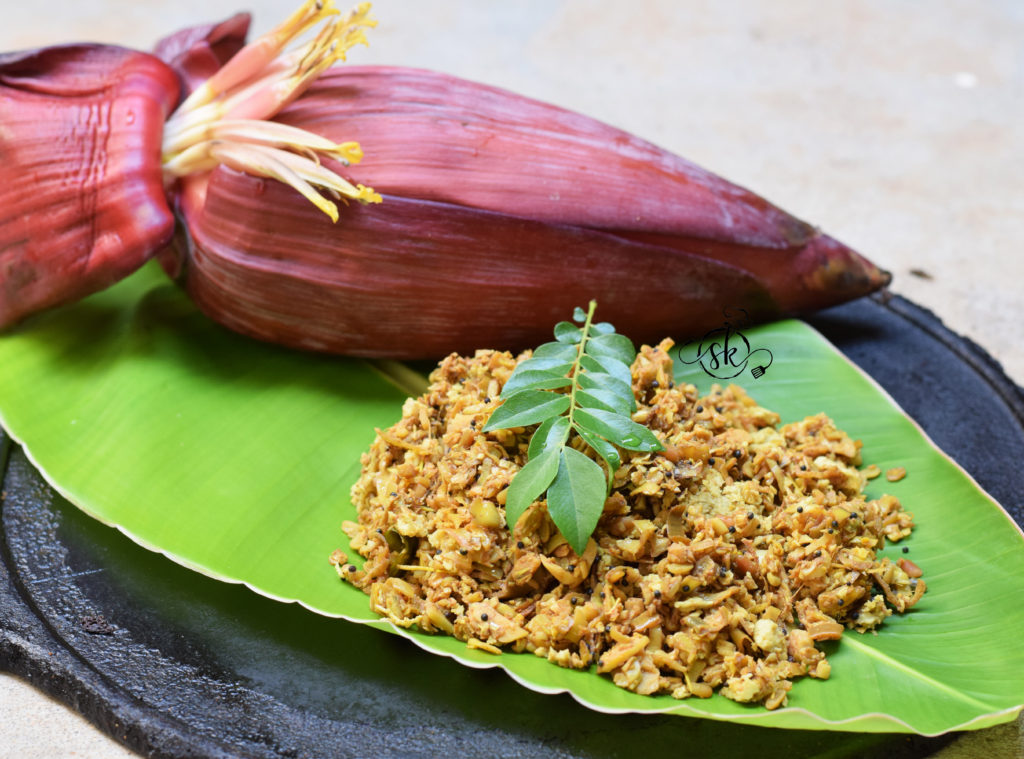
Plantain flower palya:

Plantain flower, aka Banana flower, is a superfood for humans. It contains various vitamins, minerals and fibres. The abundance in every aspect makes them an excellent source of healthy nutrients for diabetes, nursing mothers, and anaemic persons to increase their haemoglobin level.

We usually use the whole flower, which we call Kundige / Baale Mothe, and I have already shared a delicious traditional chutney recipe and dosa recipe by using Banana/ plantain flower.

The age-old practice of soaking chopped banana flowers in buttermilk laced water will be beneficial in two ways. It would control blackening due to oxidization and eliminate the bitter sap that would turn bitter after cooking. The recipe is straightforward and earthy in taste.
Ingredients:

Banana flower – 1

Tamarind – 1 tsp

Salt

Turmeric – ½ tsp

Jaggery – 1 to 2 tsp

Red chilli powder – 1tsp

Grated coconut – 1 cup

For Seasoning:

Coconut oil– 1 tablespoon

Mustard – 1 tsp

Urad dal – 1tsp

Cumin – ½ teaspoon

Red chilli -1

Curry leaves – 1 spring

To soak:

Water – 1 bowl

Curd – 1 serving spoon or  little Tamarind

Method:

-Soak tamarind in a cup of water and keep aside.

-Wash banana flower from outside and remove outer purple bract (remove 2 layers) and discard.

-Now, take one bowl of water with 1 serving spoon of curd and mix and keep it ready. (This water will avoid decolouration of the choppings)
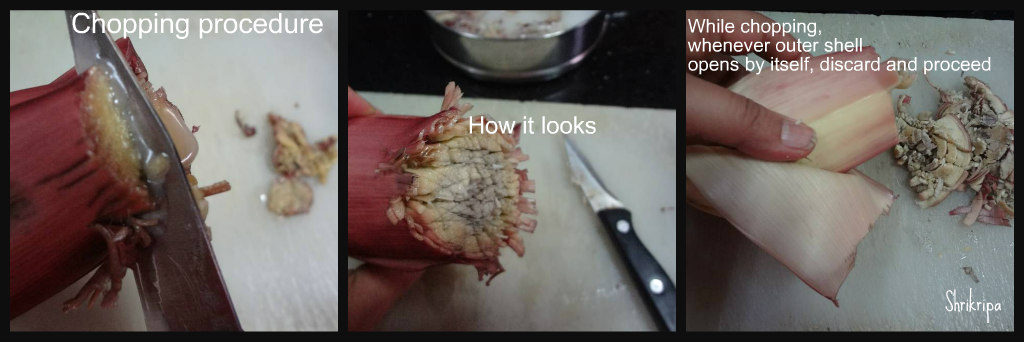
-Start chopping banana flower from the tip (refer to the above picture)

-Keep on adding the chopped part to curd water.

-While chopping, whenever the outer shell opens by itself, discard that and proceed to chop.

– After the chopping, drain the curd water and collect the banana flower choppings.

-Take one Kadai/ wok. Do seasoning, heat oil, splutter mustard, urad dal, cumin, red chilli, curry leaves.
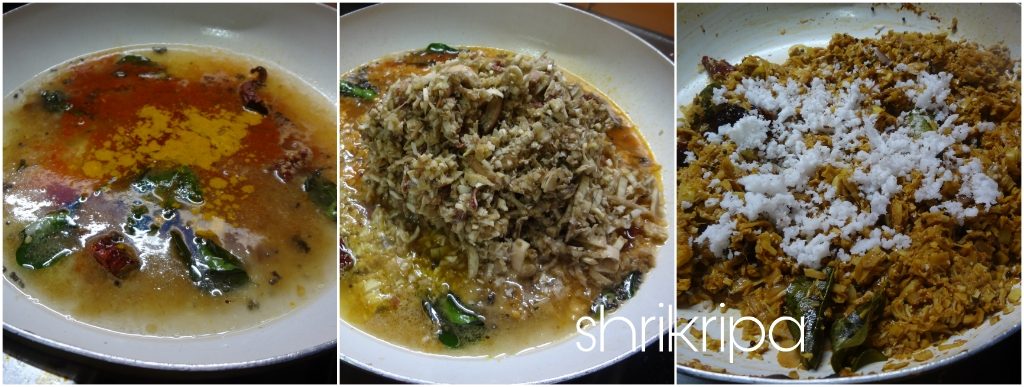
-Add tamarind water, salt, turmeric, jaggery, red chilli powder, and drained choppings and cook in a low flame by closing the lid.

-When it is cooked and water drained, garnish with coconut and mix nicely. Serve with hot rice.

NOTE: For the vegan version, instead of curd, use diluted tamarind water
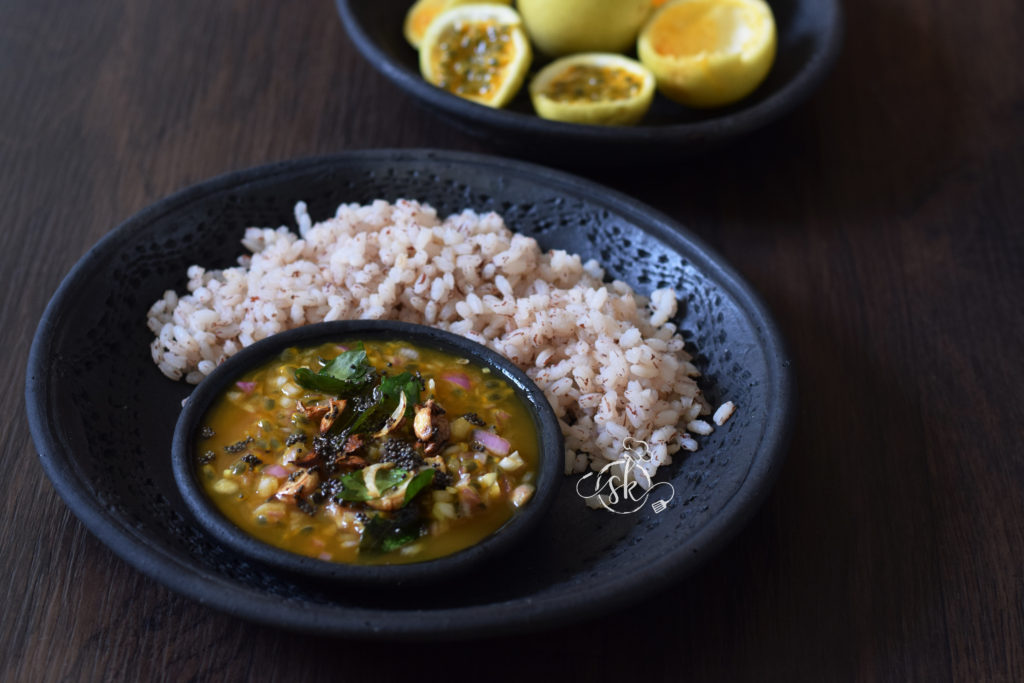


Passion fruit Gojju:

Passion fruits/Passiflora grows in hill stations of India or the colder region during the May -July months. It contains a hard outer shell and pulpy inner core with a lot of black seeds. As my daughters hate the texture, I love it and include it in my juice or lunch.

Passion fruit has a tart mixed sour taste. The fruit has many beneficial nutrients and a low glycemic index; hence, it is ideal for a diabetic condition. It is my way of indulging the sour fruit in its whole raw form. I followed our traditional charred brinjal gojju recipe and tried it. I loved the fresh fruit flavour, crunchy seeds in this gojju and enjoyed it with red parboiled rice.

Ingredients:

Fruit pulp – from 2 fruits

Green chillies -1 – 2

Jaggery – as per taste (grated)

Salt

Onion – 1 (chopped)

Seasoning: Coconut oil – 2 tsp, mustard – 1tsp, crushed garlic cloves – 6 -8, curry leaves – 1 string.

Method:

-Cut passion fruit in half, remove the pulp with those seeds. 

-Add salt, grated jaggery, crush green chilli by using your hand (it emits a lovely aroma to the gojju) and chopped onion. Adjust the consistency by adding little water.

-Season with coconut oil, mustard, crushed garlic. Fry until garlic is brown. Add curry leaves and pour the seasoning on the gojju.

-Enjoy with hot rice or with curd rice. If you like sweet and sour gojju, it is the perfect recipe.

Wild mango Rasam :

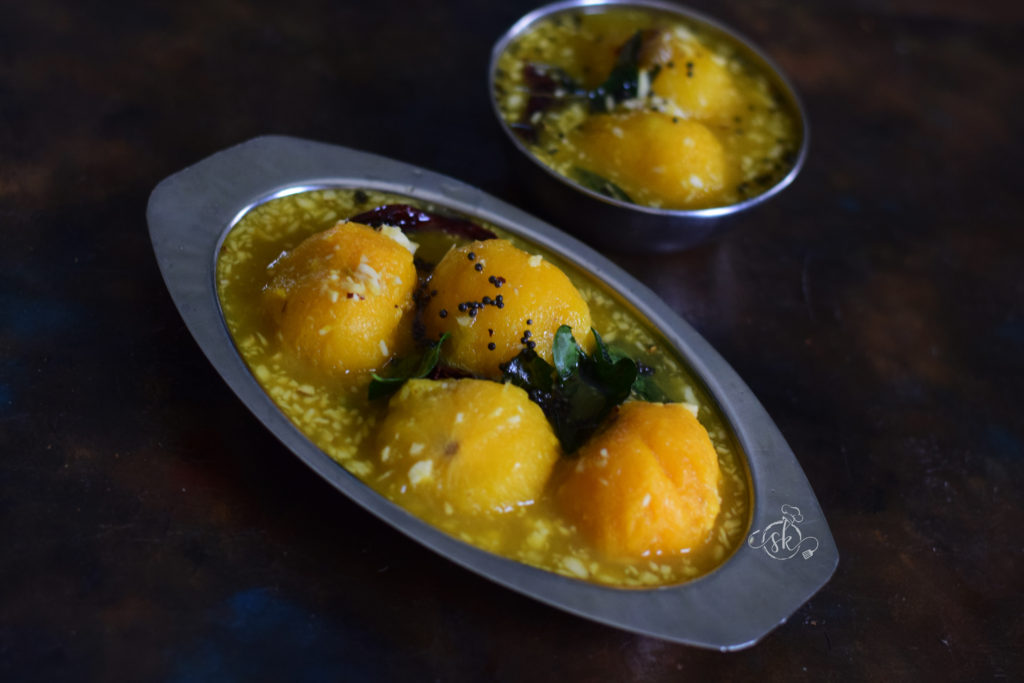
Kadu Mavinahannina saru: is a traditional delicacy of coastal Karnataka, which is a must during mango season. We have several recipes of wild mangoes in the coastal region, and each has its charm and taste. Some varieties are sour and fibrous, and some are sweet and juicy; some mangos do not have much pulp. According to their types, their usage also varies 😉

If tiny wild mangoes are sour, not so sweet, and fibrous, they go into the cooked form of saru / Beyisida gojju.  In this way, we can enhance the taste by adding additional jaggery and enjoy even the sourest mangoes.

Sigh!! These are all nostalgic memories for me. Here, In Bangalore, I do manage to cook all these varieties by using tiny mango, which is also known as Sakkara gutti or Sugar baby 😀

The recipe is simple and goes like this –

Ingredients:

Wild mangos / tiny mangos – 6

Green chillies – 2

Jaggery

Salt

Method:

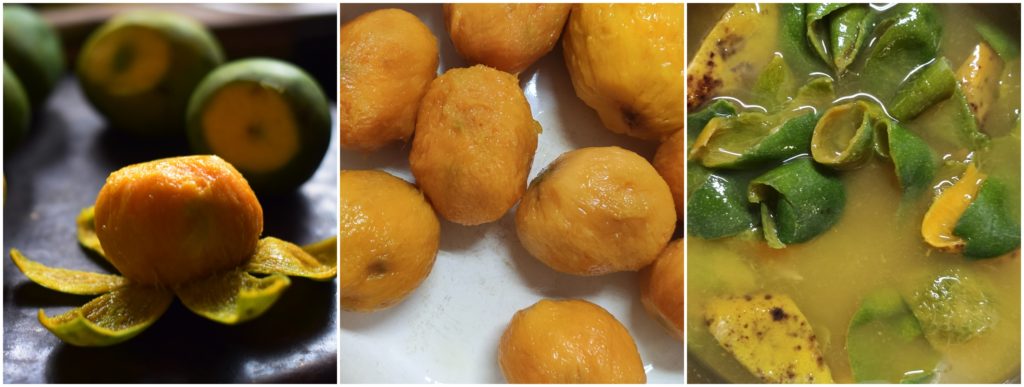
-Clean the mangoes, remove the peel, put it in the vessel containing half a cup of water, squeeze and collect mango pulp; repeat the process until skin sheds all the pulps.

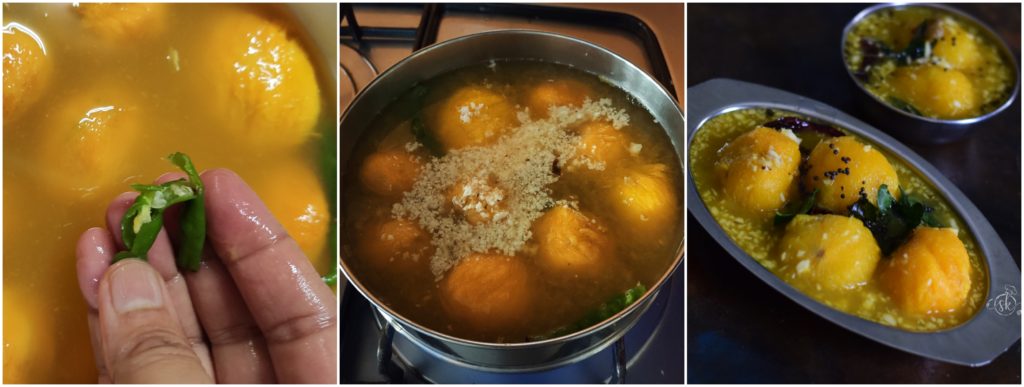
-Now, take mangoes, squeezed the water into a vessel. Add salt, crush two green chillies by using your hand ( it indeed a vital part to enhance the taste), jaggery ( little more),  1 tbsp of grated fresh coconut and boil until mango cooks. 

-Adjust the water content according to your taste. -Season it with Coconut oil, mustard,  red chilli and curry leaves. Serve with hot rice.

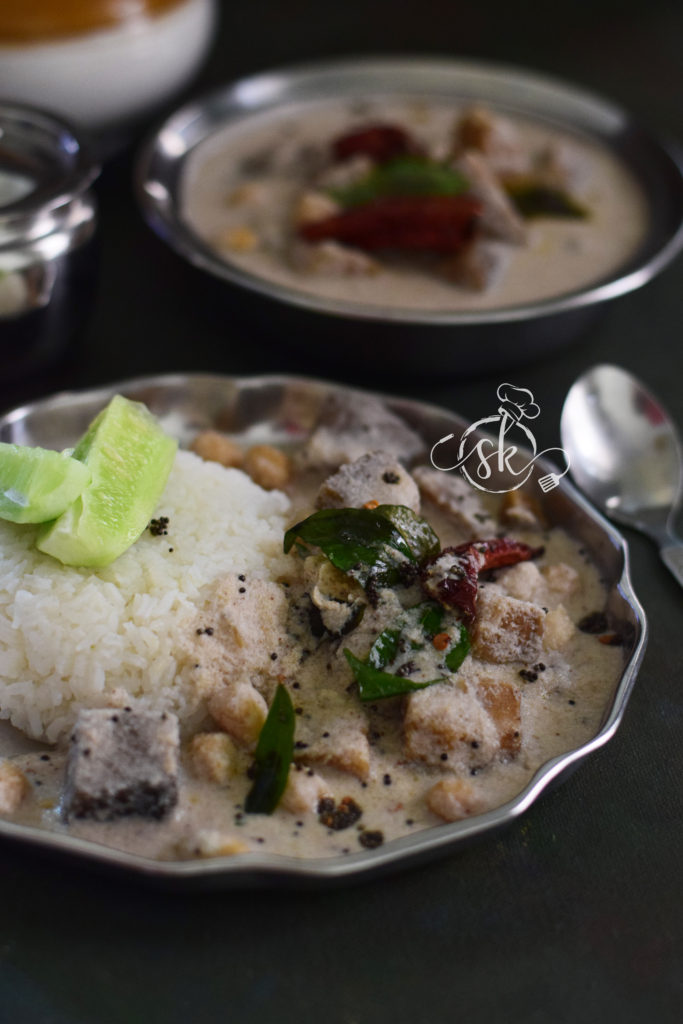
Suvarna gadde- Kadle Melara / Elephant foot yam -Kabuli chana Kayi Huli :

Yam and Chana Melara is the Most loved dish of our community. It is an absolute favourite of my family as well. Today, I will share one more traditional recipe of our region and one of the favourite dishes you find on our wedding menu.

-Now prepare the Elephant foot yam or simply Yam;  if you are new to the usage of Yam, please go through my detailed description of handling Yam, how to chop etc., in “Understanding the roots and tubers.” And go down until Tubers, and you would find the Yam under Number 6, and it is HERE.

Ingredient:

yam – around ¼ kg

White chickpeas – ½ cup

Salt- as needed.

Green chillies – 2

tamarind – one gooseberry size (soak in 1 cup of water)

To grind: Fresh Coconut – 1 ½  cup

For Seasoning: Ghee or Coconut oil- 1 tablespoon, mustard – 1tsp, red chilli – 1 (optional), curry leaves- 1 spring.

Method:

-Soak dry chickpeas overnight and cook in a pressure cooker for 3 to 4 whistles or until done.

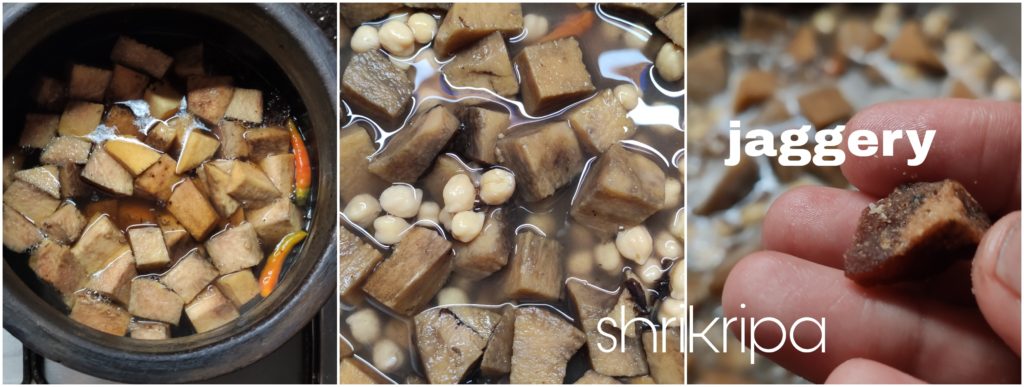
-Cook Yam until it is half done, add tamarind pulp, slit green chillies, cooked chickpeas, salt, jaggery and cook until Yam is soft and perfect.

Now, grind the coconut into a fine paste, add the paste into cooked veggies, adjust the consistency, and boil for 2 minutes.

-Add buttermilk or beaten curd, and when it starts to boil, switch off.

-Prepare seasoning, heat oil, splutter mustard, add red chilli and curry leaves, fry and pour over Melara. Serve with Rice.

Bilimbi Saaru /Tree Sorrel Rasam :

Bimbuli / Beempuli, anyone? Yes! It is our local name to Bilimbi 😀
Averrhoa bilimbi, commonly known as Bilimbi, “Cucumber tree”, “tree sorrel”, is a tiny, tangy, juicy fruit that regularly appears in Coastal Karnataka cuisine.

Bimbuli is what we call it, and it is also known as Tree sorrel. It is a common backyard tree, and you would find it in every house of the coastal region. The beauty of our traditional cuisine is impressive. When we take only Mangalore cuisine, we find at least 6 to 7 varieties of souring agents used for specific purposes according to the ingredient and the recipe. For example, Kokum, tamarind, Monkey jack (known as Unde Huli or Kethe Huli), Hog plum, Bilimbi (beempuli), Raw mango and the list goes on.

Before the lockdown, I found this in my locality during our evening walk and introduced it to my daughter.

We used to eat this watery fruit by dipping it in salt and asked her to eat it with salt. She, who is fond of any khatta/ souring agent, enjoyed and asked for more. Besides eating, I loved pickle, which my paternal aunt used to prepare and get it.

While talking, remembering good old memories, my mother in law mentioned Bimpuli saaru, which her mom-in-law used to prepare. As a curious learner, I started asking her about the recipe? How did she use to make etc.?

As always, she said, what is the recipe? There is nothing in that saru—a little bit of cooked dal, green chilli and hing.

The next day, I made the saru, which I never tasted before, and it was indeed flavourful and delicious and thought of documenting it in my blog for future reference.

 Ingredients:

Bilimbi /Tree sorrel – 6 to 7 or acc to your taste

Cooked toor dal – 1 small Katori

Salt

Jaggery – to taste

Green chillies – 6 to 8 (slit)

Hing – peanut size

Seasoning:

Coconut oil – 1 tbl sp

Mustard – 1 tsp

Red chilli -1

Curry leaves – 1 spring

Method:

-Take a one cooking pot, put Chopped tree sorrel, slit green chillies, salt, jaggery, hing, 2 cups of water as well as cooked, mashed dal.

-When chillies and sliced tree sorrels are cooked, adjust the consistency by adding water, if necessary, salt, jaggery or hing. Boil a couple of minutes more and add seasoning.

-To season, heat oil, splutter mustard, red chilli and curry leaves. Yes! It is so simple and tasty.

-This tasty saru is pairs well with hot rice and papad with any vegetable side dish to accompany.


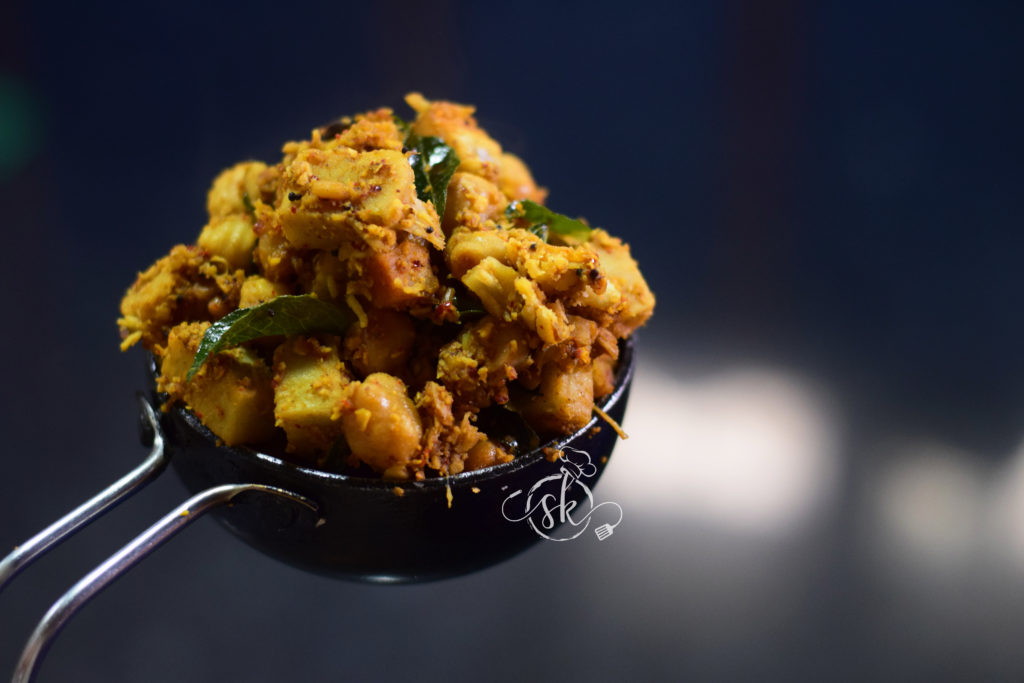
Mundi Gedde – chana palya /Giant taro and dry chickpea curry :

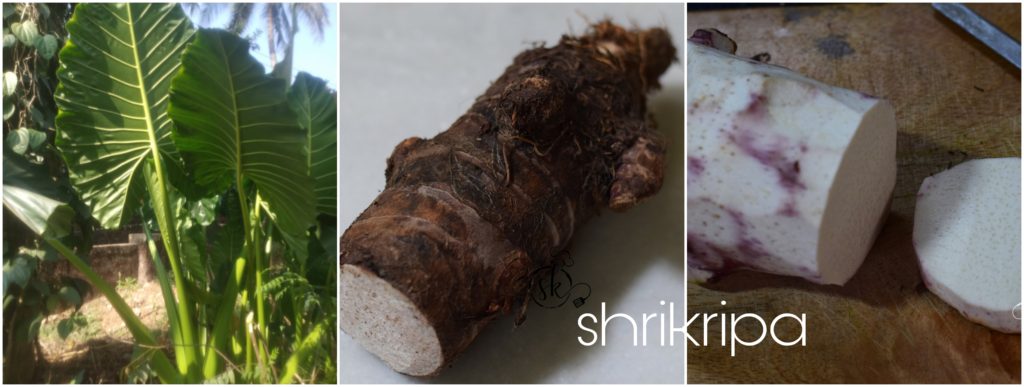
Belong to the Alocasia family, and leaves are giant, glossy, resembles an elephant ear. Hence, it is also known as Elephant’s ear plant. Alocasia means “like the colocasia but not the colocasia”. Giant Taro is a good source of Vitamin C, Iron, and phosphorus.

In our native, leaves are used as an alternative to the plastic sheet, while sun drying papads or fryums in Summer months.

Which is best described as a “Stem crop” as the edible starchy stem is seen above the ground, which is light brown in colour, coarse outer surface grows upright, erect, in a  cylindrical shape.

I have shared the details regarding Mundi Gedde/ Giant Taro in this post,

As most plant in this taro family, even this has Calcium oxalate, which itches our hand or mouth while eating if we do not handle it properly. Here, using hot boiling water and using the right amount of tamarind takes care to emit the itchiness.

Today, I will share one more traditional recipe of our region and one of the favourite side dishes you find in our wedding menu.

Ingredient:

Mundi/ Giant taro – around ¼ kg

White chickpeas – ½ cup

Salt- as needed

Jaggery – as needed

Red chilli powder – ½ tsp to 1 tsp

Turmeric powder – ½ tsp

tamarind – one gooseberry size (soak in 1 cup of water)

For Masala: Coconut – ¼ cup, Methi – ¼ tsp,  Red chillies – 3

For Seasoning: Coconut oil- 1 tablespoon, mustard – 1tsp, urad dal – 1 tsp, red chilli – 1 (optional), curry leaves- 1 spring.

To garnish: raw coconut oil – 1tsp and curry leaves – 2 springs.

Method:

-Soak dry chickpeas overnight and cook in a pressure cooker for 3 to 4 whistles or until done.

-Now prepare the giant taro;

-We usually do not wash the Giant taro stem before cutting nor peeling. Spread one newspaper, remove all the outer brown woody skin, chop the stem into pieces as you needed.

-Wash those pieces in water by using a spatula, drain and put immediately in boiling water,  cook until it is almost done, drain and proceed to the actual cooking. Now it is ready to cook.

-For palya, prepare the seasoning. Heat oil, splutter mustard, fry urad dal, add curry leaves.

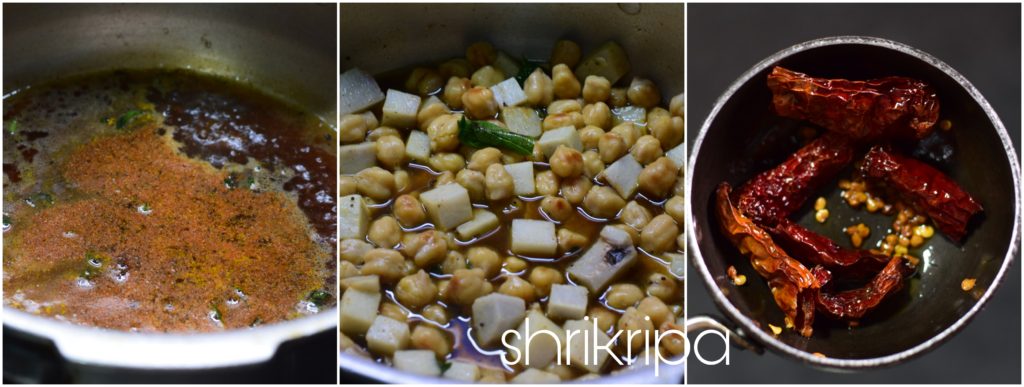
 -Add tamarind extract, salt, jaggery, red chilli powder, turmeric and, boil until water evaporates.

-Meanwhile, prepare the masala. Fry methi seeds in little oil, when it is light brown, add dried red chillies, fry until it is crisp. Dry grind these ingredients with coconut.

-Add the ground powder to cooked veggies and mix nicely, allow it to cook for 2 minutes by closing the lid.

-Now, garnish with raw coconut oil and curry leaves. Close the lid, switch off the gas. Leave this for a while. Before serving, mix nicely and serve.

Gujje Huli menasu / Tender jackfruit curry:

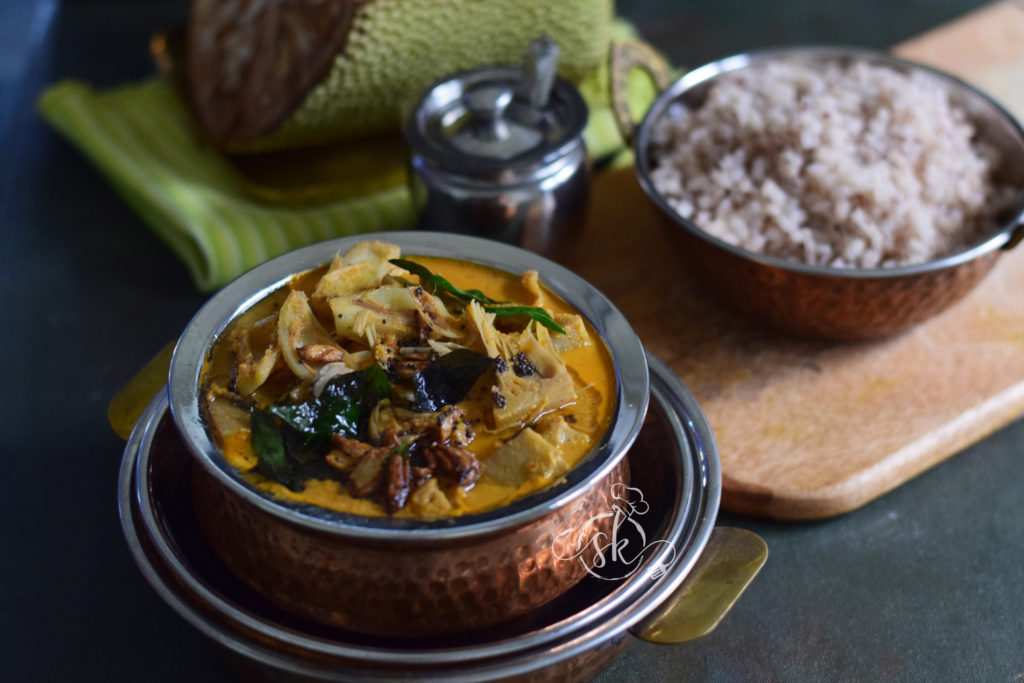
In our region, Raw jackfruit curry relished in every possible way and every possible stage of its growth. Huli Menasu is nothing but tamarind and dried chillies. The speciality of this sambar is no frying or roasting the masala. It is no fuss masala but, the flavour is unthinkable. It is an experience by itself. It is one of our family favourites, and today, sharing it with you all.

I have many raw jackfruit recipes in my blog, including “how to chop” the young jackfruit for beginners.

To get an authentic taste, one should use coconut oil and fresh grated coconut for this curry.

Now we will see the recipe part.

Ingredients:

Raw jackfruit cubes – 1 bowl

Salt

Red chilli powder – 1 teaspoon

Fresh coconut – 1 bowl

Red Byadagi chillies – 3 to 5

Tamarind – gooseberry size

Turmeric powder – ½ teaspoon

For seasoning:

Coconut oil – 1 tablespoon

Mustard – 1 teaspoon

Red chilli – 1

Curry leaves – 2 springs

Garlic – 10 cloves (crushed)

Method:

-Cook Raw jackfruit pieces in a sufficient amount of water. Add salt and red chilli powder, turmeric as well.

-In the meantime, grind smooth masala by putting coconut, tamarind, red chillies.

-When jack pieces are soft/ cooked, add ground masala, adjust the consistency and boil.

-When the mixture boils nicely, switch off the gas.

-Prepare seasoning, heat oil, splutter mustard, add garlic, red chilli, curry leaves.

-When garlic becomes deep brown, add the seasoning over boiled gravy.

-Keep this closed for a while before serving to absorb all the flavours.

-Serve with hot rice.

Jowar/Sorghum Dosa:

My experiment turned out to a super hit, crispy dosa. As usual, I followed my regular dosa batter recipe by replacing dosa rice with Jowar grains.

Jowar or Sorghum is a gluten-free grain loaded with nutrients and fibre, great in taste. When it is high fibre, it becomes useful for anyone who follows a healthy diet. Being a complex carbohydrate, Jowar gets digested slowly, reduces appetite making it an ideal whole grain option for weight management.

If you are looking for ways to reduce the rice intake, this recipe for you – Enjoy in any form of dosa, like crisp or fluffy. Cone or masala filled, with chutney or sambar.

Ingredient:

Jowar grains -1 cup

Idly rice -1 cup

Urad dal – ½ cup

Bengal gram/Chana dal – 1 TBL sp

Fenugreek /methi seeds – 1 tsp.

Beaten rice – ¼ cup

  Method:

-Wash all these ingredients a couple of times. Soak this insufficient water for 3 to 4 hours.

-Drain water from the rice and keep it aside. This water should be used while grinding according to the requirement.

-Grind soaked rice –dal mixture by adding salt into a very fine /smooth batter using a wet grinder or mixer grinder.

-Now, Mix the batter, adjust the consistency, keep this ground batter for fermentation in a big vessel to allow room for puffed/fermented batter.

– It will take anywhere between 8 to 16 hours (according to the outside weather)

-Next morning, mix the batter, check the consistency, adjust and prepare dosas and enjoy.

Note: In Bangalore, I usually soak my lentils around morning, grinding happens around afternoon 2 to 3 pm, and until the following day, I keep the batter for fermentation.


Mango ginger Tambli:

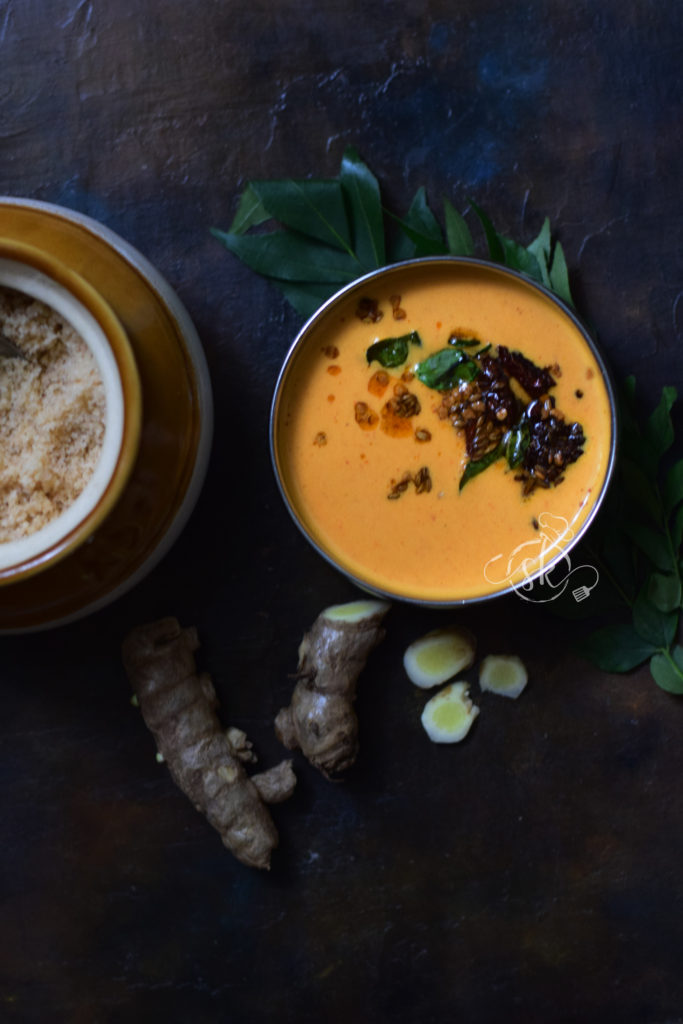
Mango Ginger or Curcuma amada is a plant of the ginger family Zingiberaceae and is closely related to turmeric. It is locally known as kukku shunti/ Mangannari or Ambe kombu. Mavinakai shunti in Kannada and Aam Haldi in Hindi. Mango ginger is antioxidant,anti-fungal, antibacterial as well as anti-inflammatory in nature.

Our traditional cooking includes mango ginger in many forms. One such recipe is Tambli. Come summer, tambli is an integral part of our lunch platter. Tambli is a coconut-based, uncooked gravy enriched with any one of the herbs, with minimal spices and buttermilk to soothe our system.

It is a quick, instant,  no involvement recipe. It can be had as an appetizer or mixed with rice like any other curry. 

Ingredients:

Mango ginger – 1” piece

Sesame seeds – ½ tsp

Dried red  chilli – 1

Coconut – ½ cup

Salt

Jaggery – ½ tsp

Buttermilk – ½ cup

For the Seasoning: ghee – ½ Tsp, cumin – ½ tsp, curry leaves – 1 spring.

Method:

-Peel the outer skin of mango ginger, slice.

-Dry roast sesame seeds, then fry red chilli in a drop of oil.

-Take a Mixie jar, grind coconut, red chilli, sliced mango ginger, salt, jaggery and grind into smooth paste by adding water.

-remove this into a vessel, add buttermilk, and adjust the consistency by adding little water if needed.

-Consistency should be like regular milk.

– Add Seasoning by heating ghee, cumin and curry leaves.

– Enjoy this coolant with hot rice.

NOTE: If you want to prepare a vegan version, omit buttermilk and add little tamarind while grinding, or after preparing, add lemon juice and enjoy.

For the Seasoning: You can Opt for cold-pressed coconut oil.

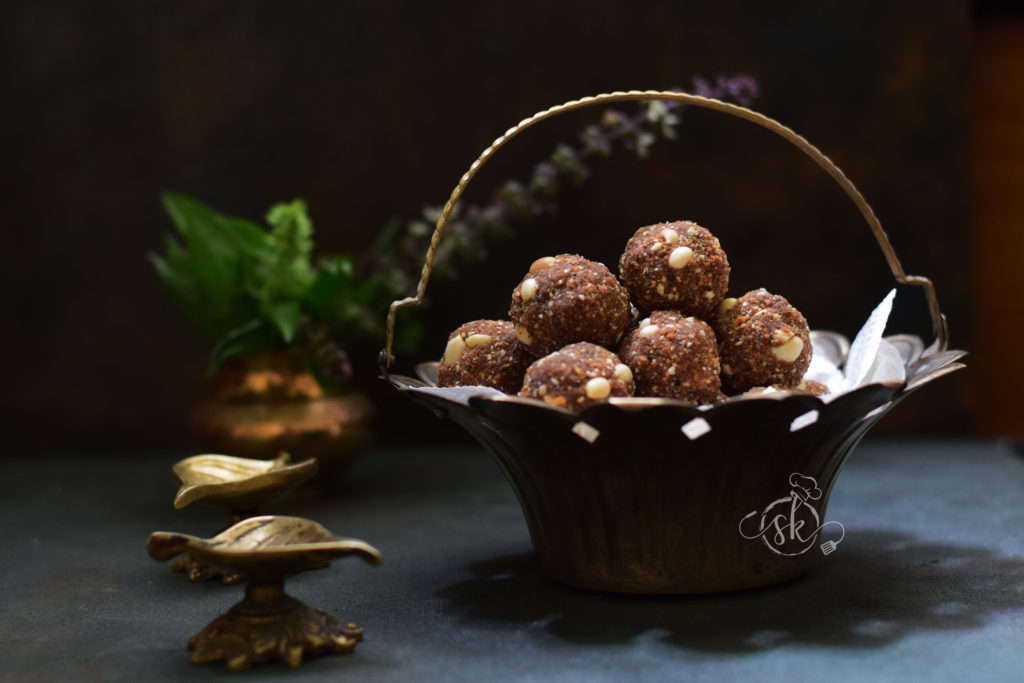
Brown rice – Horse gram Laddu :

This Laddu happened by chance. I have heard “Keddasa” unique festival from our region. But, I never knew the details, how to celebrate and its significance until recently. My interest in digging and reading about it started after seeing my Instagram friend, Akshatha’s post regarding Keddasa – a unique practice of our Tulu Nadu.

Farmers of our region observe Keddasa or Keddaso to honour mother earth and obtain her blessings in the next harvest. They believed that the earth goddess would grant crops in abundance by following the tradition.

Keddasa is observed typically in February, the end of the winter and believed that the earth goddess becomes fertile for farming. Rituals spread in 3 days; those three days are considered a rest for any farming activity to provide rest to mother earth. In this duration, a different offering is also a part of the custom.

A unique dish, known as Kudu -Ari, is made other than the offering. The literal transition of kudu is horse gram, and Ari is Rice. Roasted, powdered horse gram – rice is seasoned with other roasted items; it varies from family to family, such as roasted coconut, peanuts, sesame, Jaggery. Sometimes, the whole moong as well. The perfect way to look after our bone health during the winter months n the name of tradition. How beautiful. To make this Brown rice – Horse gram laddu, I took the inspiration from another traditional unde, known as Thambittu unde, which I shared in my blog, and the recipe is HERE. It is indeed a perfect energy ball or mid-day snack in the winter months, and I loved it.

How I did – Took one small tumbler as a measurement cup.

Here Ready laddu mixture was around 277 grams, and I took 250 grams of Jaggery, and it turned out perfect for our preferred sweet level. You can take equal or a little less.

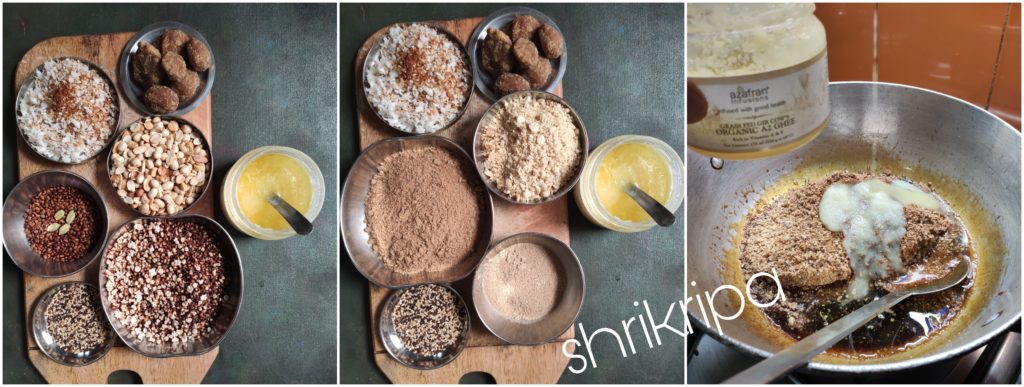
Ingredients:

Red boiled rice/ matta rice – 1 cup

Peanuts – ½ cup

Horse gram – ¼ cup

Coconut – 1 cup

Sesame seeds – 2 tablespoons

Cardamom powder – 1tsp

Powdered Jaggery – Equal quantity as laddu mixture or little less.

Ghee – 2 to 4 tablespoons

Method:

-Wash rice once or twice, drain the water, let it air dry until it is dry.

-Wash horse gram and let it air dry until it is dry.

-Heat one thick bottomed wok/vessel, add dried rice little by little and roast; it will pop a little and texture will become brittle and a little puffy. Do this procedure in 3 to 4 batches and cool it.

-Dry roast Horse gram as well. When it cools down, make powder in a mixer jar; Sieve this powder and keep it aside.


-Now dry roast, sesame seeds, peanuts,  grated coconut until it emits fragrance. Keep aside.

-I did crush the peanuts by using whip mode by using a mixer jar.

-Mix everything, measure the content. If it is 2 cups, take 2 cups of grated Jaggery or a little less than that. If you have a measuring scale, you can measure as well.

-Boil Jaggery put in one cup of water when it melts; sieve this solution to remove any impurities. (Pictorial guide is here)

-Take this liquid and boil further till it reaches one thread consistency. At this stage, you will hear “Tup” “Tup” bubbling sound, too (this is the clue which I have received from the elders)

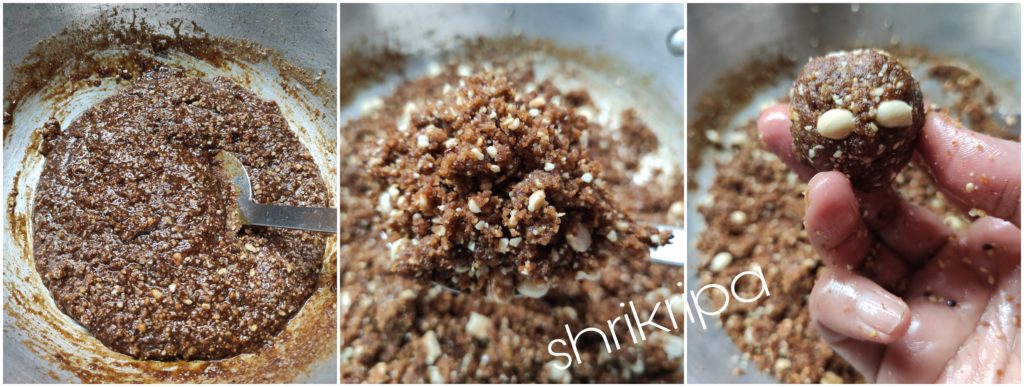
-When it reaches one thread consistency, mix in the prepared content, ghee, and cardamom powder.

-Mix nicely. At this stage, the mixture will be too wet to handle. So, keep aside for 10 o 15 minutes till the mixture becomes a little dry and ready to handle. When you feel it is ready, take a small amount in hand, make Laddu, and keep it aside.

-When all the mixture gets over, and you have finished the process, store these laddus in an airtight container. This Laddu stays good for long, even at room temperature.