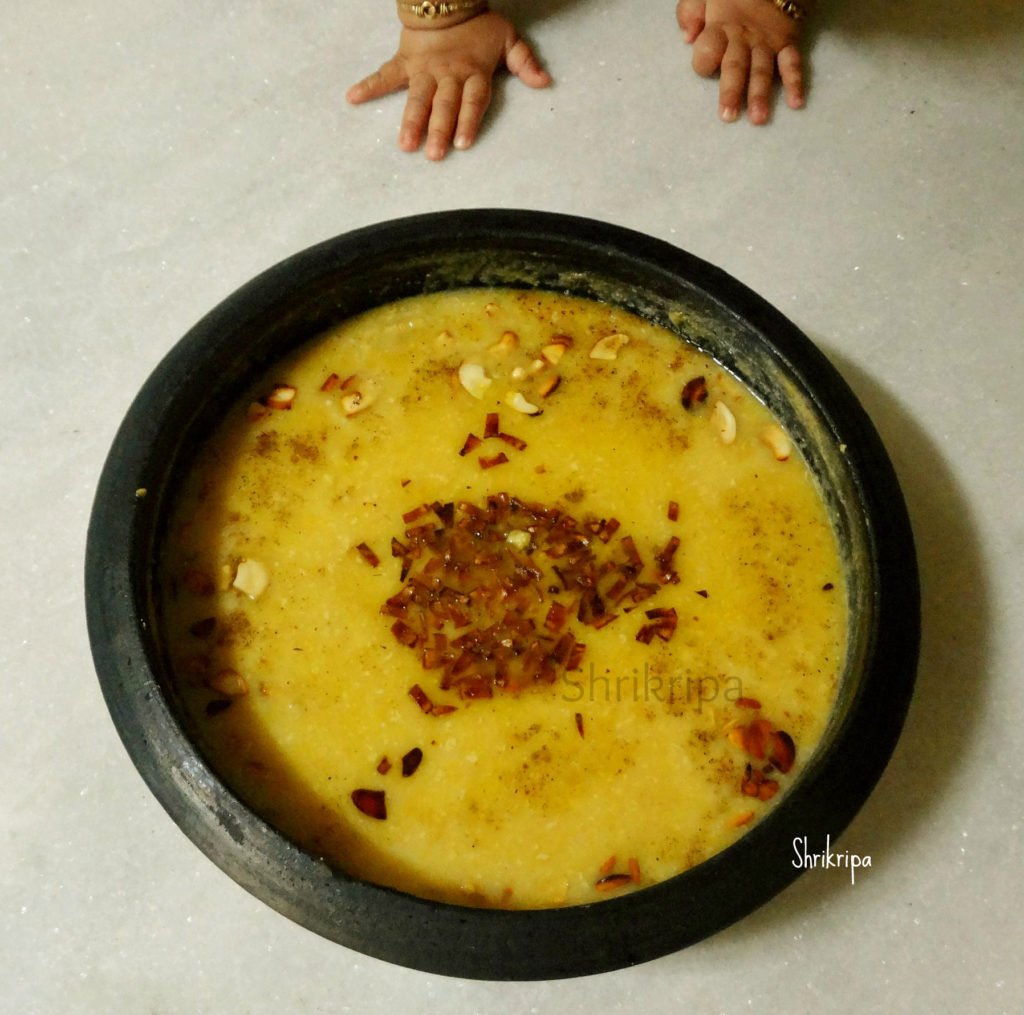
Broken wheat Huggi:

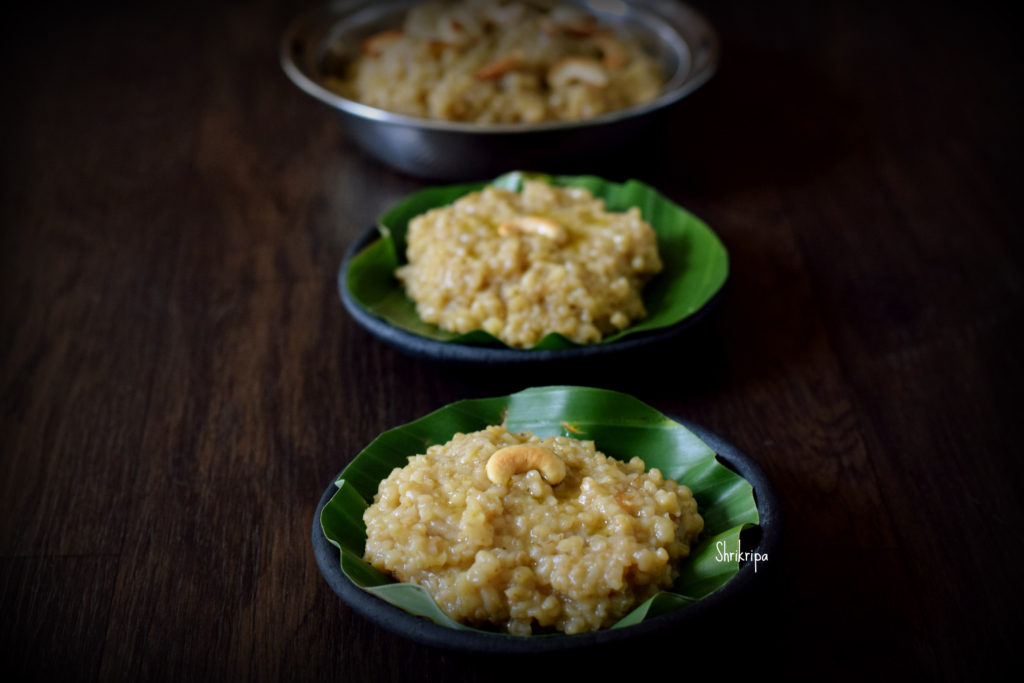
Huggi is a very popular, semi solid dessert of North Karnataka and each house has its own method. It is a sort of homely recipe and you would not find in any restaurant. Broken wheat is known as Godhi nucchu in Kannada language. I learnt Some of my favourite North Karnataka recipes from my previous neighbour aunty, who hails from Solapur near Gulbarga. I used to enjoy whatever she used to offer, starting from simple triangle chapati, obbattu, obbattu saru, chapparadavarekai palya, chavlikai palya and khara byale saru to Godhi nucchina Huggi, which she used to offer to God, every Friday evening and used to offer as a prasadam to us.

Aunty used to use hardly 3 ingredients and it used to taste divine. It is no coconut dessert and you can feel the texture of wheat as well as flavour. Preparation is very quick and simple and needs hardly any pre-preparation.
Recipe goes like this-

Ingredients:

Broken wheat – 1 cup

Jaggery – ¾ cup

Salt – ¼ tsp

Ghee – ¼ cup

Cardamom powder – 1 tsp

Cashew pieces – Roasted (Optional)

Method:

-Wash broken wheat twice. Cook with 3 cups of water and a pinch of salt for 2 to 3 whistles.
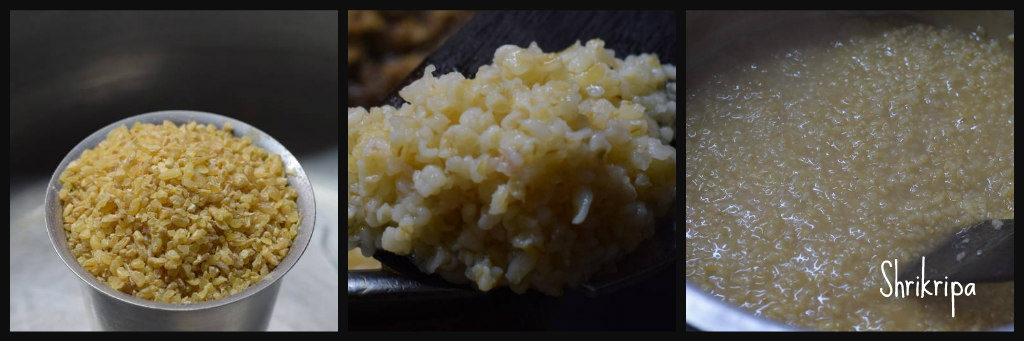
-Mean time, heat jaggery by adding ½ cup of water. Strain the liquid and remove the impurities.

-Add strained jaggery syrup to cooked wheat and cook further at a very low temperature.

-When raw smell of jaggery vanishes, add ghee and cook further by mixing in between.

-Lastly when mixture becomes like a mass, add cardamom powder, garnish with roasted cashew and serve.

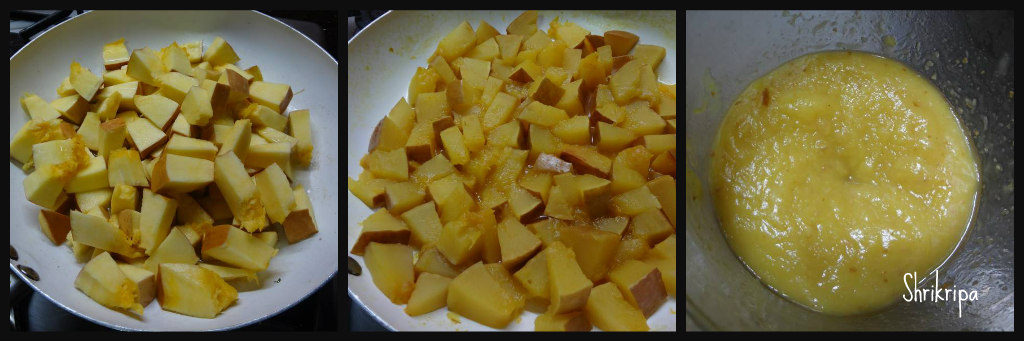
Homemade Pumpkin Puree/Preserve:

Pumpkin is usually considered as fall / Winter vegetable even though it grows all year round without any issues. Pumpkin vine needs least attention compared to growing other vegetables. It is low in calories, high in anti-oxidants, Vitamins, minerals as well as high on natural source of Beta carotene.

I normally make use of pumpkin in many forms and one such form is Pumpkin Puree. When home grown, organic pumpkin is available, it is an awesome way to store the goodness and use it as needed in your cooking from making pastas to baking.

Usually puree can be made by using two methods. Either on stove top or by baking. I normally prefer stove top method. In this method, I don’t even remove the outer skin. In this way, we can retain the added goodness.

How I make is –

Ingredients;

Pumpkin – 1 kg

Water – 1 cup

Method:

-Wash pumpkin, remove inner core and seed part.

-Chop pumpkins into bite size pieces.

-Take one tawa, spread all the pieces and sprinkle water and cook those pieces until done.

-When pumpkin pieces are well cooked, water also evaporates.

-Cool and grind this into puree.

-Store this in a freezer by putting it in an air tight container and use whenever it is needed.

Pumpkin/Cheenikayi Kalasu:

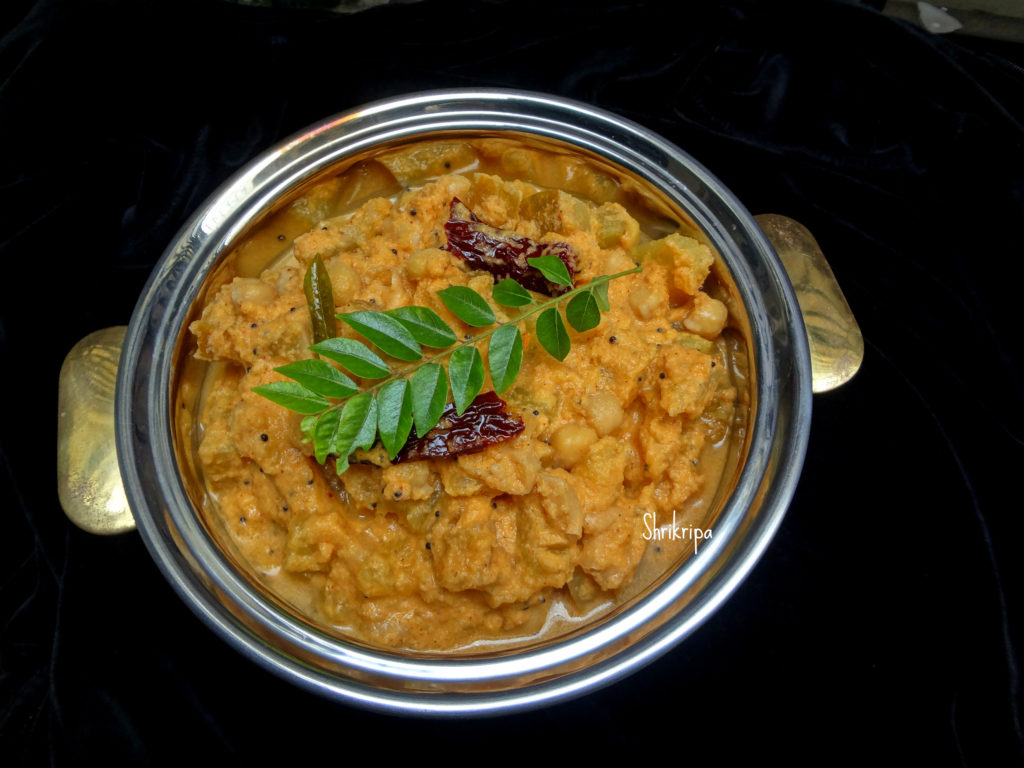
Pumpkin Kalasu is a traditional recipe of our community. It is a semi solid, sweetish coconut based curry, which goes very well with hot rice or Chapati.

Usually we use tender, greenish sweet pumpkin for this curry, paired with white Kabuli chana.

Ingredients:

Green sweet pumpkin – ½

White chana – 1 cup

Coconut – 1 bowl

Cumin – 1 tsp

Red chilli – 1 to 2

Salt

Jaggery

Red chilli powder – ½ tsp

Seasoning:

Coconut oil – 1 tsp

Mustard – 1 tsp

Red chilli – 1

Curry leaves – 1 string

Method:

  • Soak white chana for 7 to 8 hours or overnight.
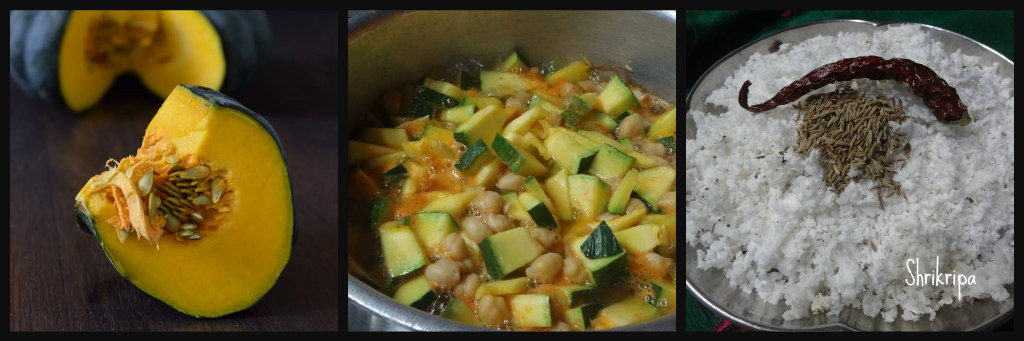
  • Cut pumpkin into half; remove inner soft pith and seed. Chop this into small pieces with skin intact.
  • Wash soaked chana, put fresh water and cook in a pressure cooker for 3 whistles.

  • When pressure relieves, open the lid and add chopped pumpkin, salt, red chilli powder and jaggery. If needed add little more water and cook until pumpkin is done.
  • Now grind coconut, cumin and red chilli into fine paste by adding required amount of water.
  • Add this masala to cooked veggie. Adjust the consistency by adding water. Consistency should be semi solid. Boil this and add seasoning.
  • For seasoning heat coconut oil, mustard, red chilli and curry leaves.
  • Enjoy this curry with hot rice or Chapati.


Thambittu Unde / Brown Rice Laddu:

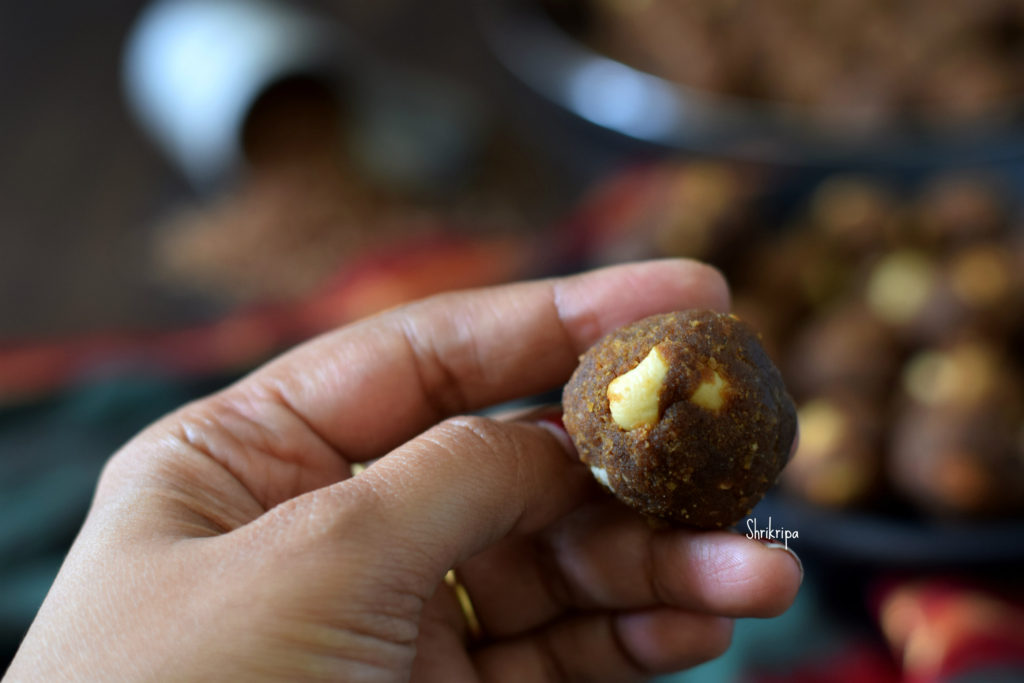
Brown rice laddu is also known as “Thambittu unde” in our coastal region of Karnataka. It is an age-old recipe of my aunt’s family. This tasty laddu is very dear to my heart, which I used to relish whenever I visited my maternal uncles place.

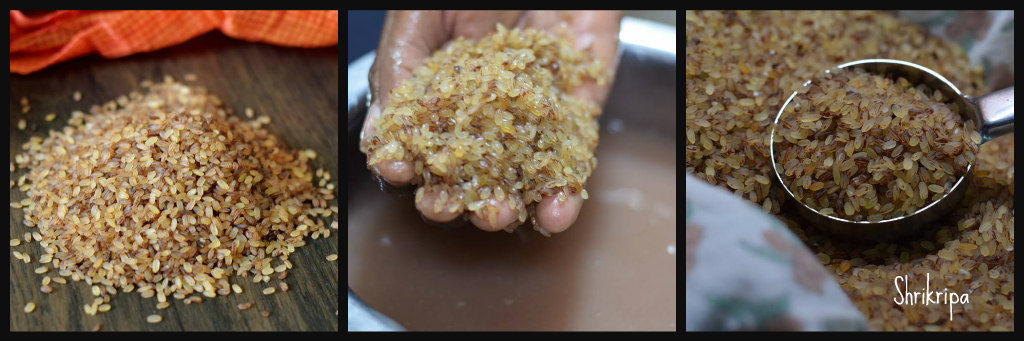
Brown rice, also known as boiled rice/matta rice/Kerala rice is very healthy and packed with many nutrients, at the same time it is gluten free and you can have it without any hesitation. It requires very minimum ingredients but tastes heavenly.

Now we will see the procedure –

Ingredients:

Brown rice /matta rice – 500 grams.

Fresh Coconut – 1 (grated)

Jaggery – 500 grams (used organic, hence the colour is dark)

Ghee – 50 -100 ml

Cardamom powder – 1 tsp.

Cashew bits – ½ to 1 cup

Method:

-Wash rice once or twice, drain completely and Spread this on a clean cloth and let it air dry. It takes one to two hours. After one to two hours, check the moisture.

-If it is completely dry while handling, it is ready to use.

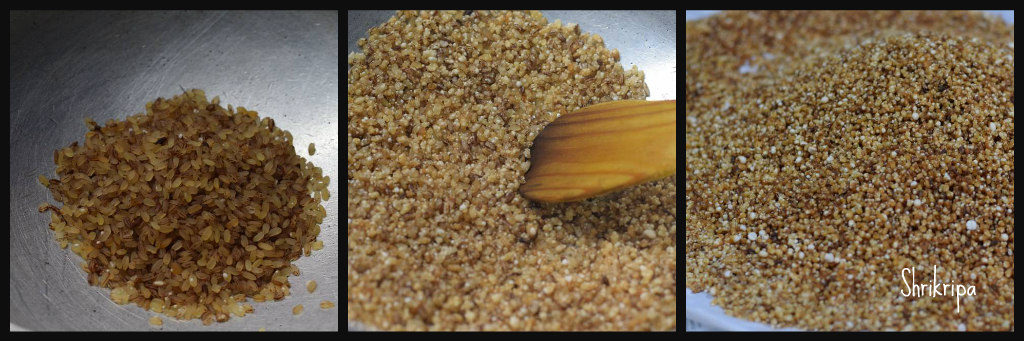
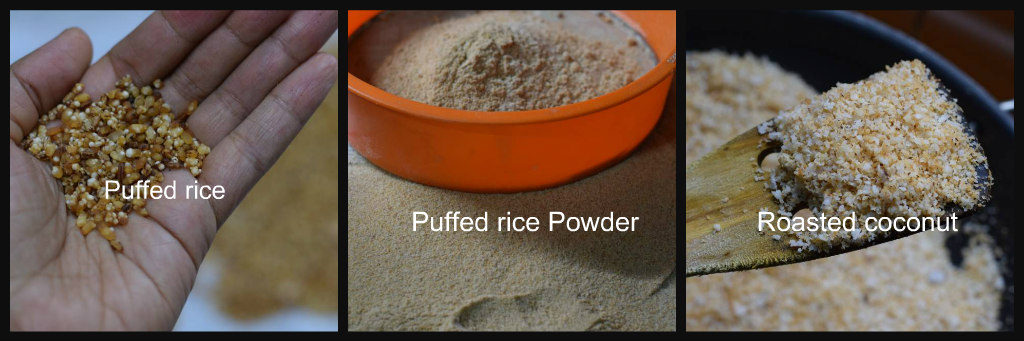
-Heat one thick bottomed wok/vessel, add dried rice little by little and roast, it will pop a little and texture will become brittle and little puffy.

-Do this procedure in 3 to 4 batches and cool.

-When it cools down, make powder either in a mixer jar or nearby flour mill. Sieve this powder and keep aside.

-Now dry roast grated coconut until it emits fragrance. Keep aside. (you can use mixer jar and pulse once or twice to get uniform tiny gratings. This would help in uniform roasting)

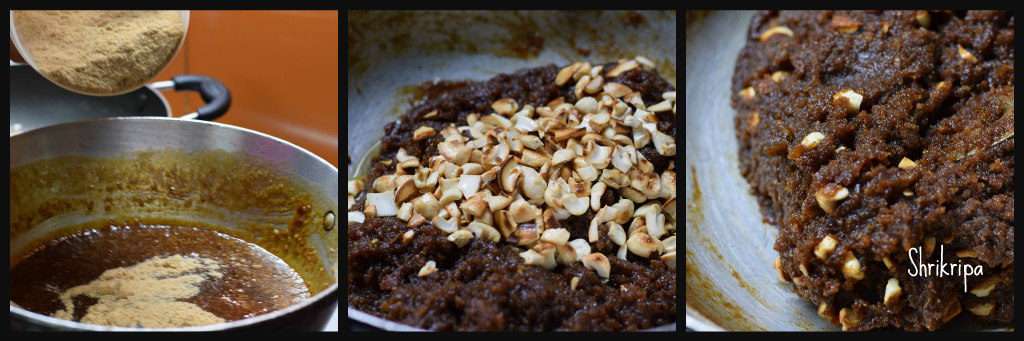
-Boil jaggery by putting one cup of water. When it melts sieve this solution to remove any impurities.

-Take this liquid and boil further till it reaches one thread consistency. At this stage you will hear “Tup” “Tup” bubbling sound too (this is the clue which I have received from the elders)

-When it reaches one thread consistency, mix in roasted coconut gratings, ghee, roasted cashew bits, rice powder and cardamom powder.

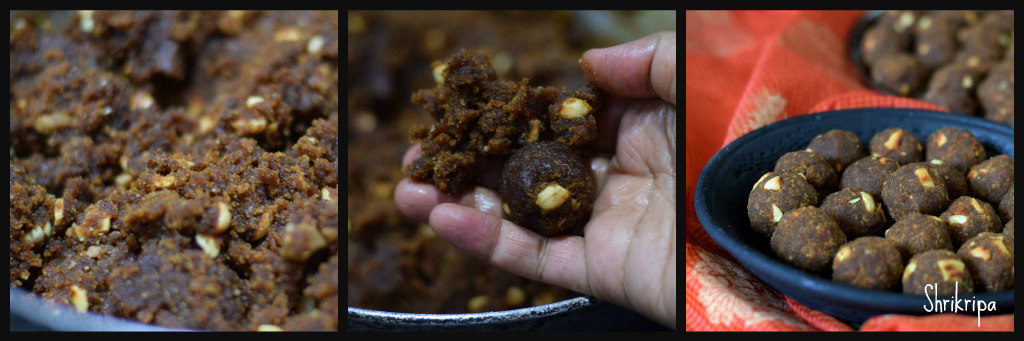
-Mix nicely. At this stage mixture will be too wet to handle. So, keep aside for half to one hour, till mixture becomes little dry and ready to handle.

-When you feel it is ready, take a small amount in a hand and make laddu and keep aside.

-When all the mixture gets over and you have finished the process, store these laddu’s in an airtight container. This laddu stays good for long even in room temperature.


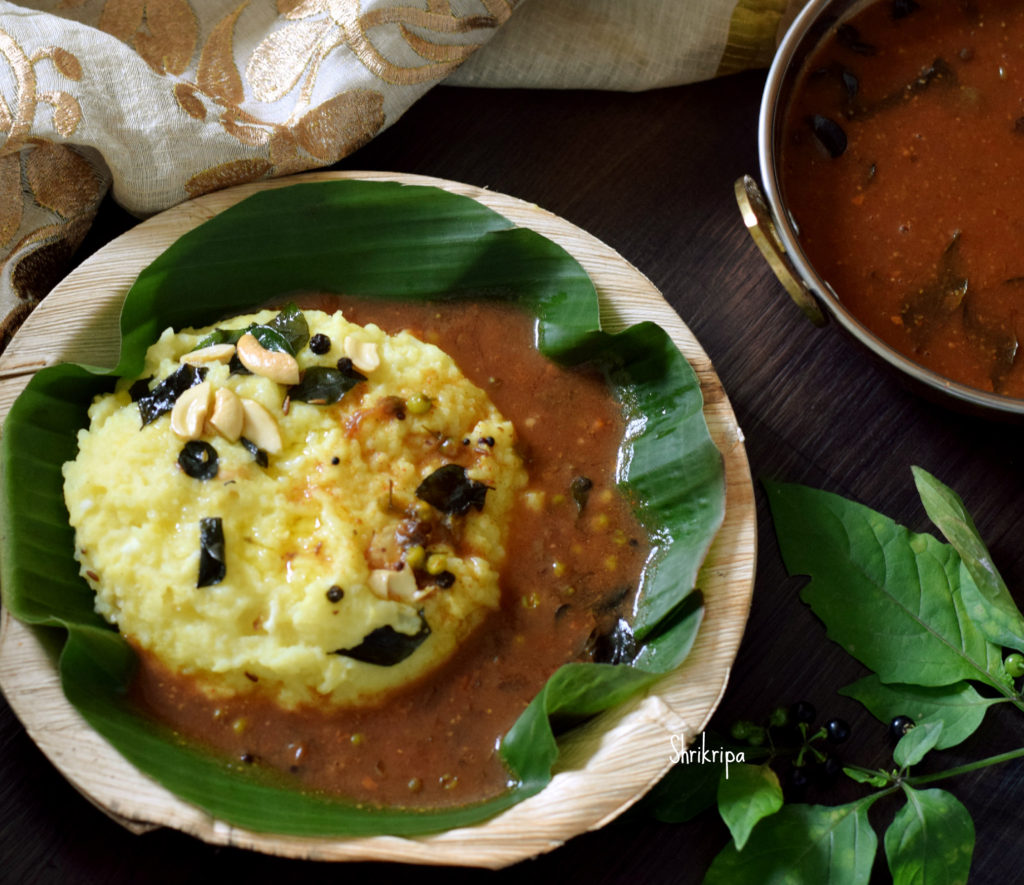
Ganike hannu Gojju, side dish for Pongal / Black nightshade fruit curry:

Have you ever tasted this wonder fruit? If no, you should pluck next time when you see in your vicinity and should enjoy it and feed all the goodness to your body. When we were young, it was our pass time, while walking towards school. We would pluck all these edible different berries though we never knew the goodness that we were getting form these.

Traditionally, in our region, these berries are not at all used in cooking. As I know, it is used only in Tamilnadu in a dry form, after soaking it in buttermilk and sun drying. Normally these dried berries are made into sweet and tangy curry called Vathal Kuzhambu and I tried the fresh berries to include in my regular Pongal Gojju, as a side dish.

As I said in the earlier post, black night shade has many names and these berries are also known as Ganike Hannu, Kakke Hannu, Chavi Hannu in Karnataka. Manathakkali, Sukkuti in Tamil. Nakoi in Hindi.

Black Nightshade (solanum nigrum) is sometimes confused with Deadly Nightshade (Atropa belladonna) of which berries grow individually and in this, we see a bunch formation of berries.

It has a whole lot of health benefits. It is a major source of anti-oxidants and moreover anything else, it is pesticide-free and free of cost 😀

For me, it is a gift of mother nature. I have not potted the plant and it is growing wildly in my garden and feeding me with greens and berries. This time, I have added these berries in my usual side dish, which I prepare for Pongal and liked as well.

Now we will move towards the details –

Ingredients:

 Ganike Hannu – 1 cup (I have used black as well as green unripe one)

Tamarind – One gooseberry size

Jaggery

Salt

Sambar powder – 1 to 2 teaspoons

Rice flour – 1 to 1 ½ teaspoon

Sesame Oil / any cooking oil– 1 tablespoon

Fenugreek seeds – ½ teaspoon

Hing – ¼ teaspoon

Mustard – 1 teaspoon

Cumin – ½ teaspoon

Dried Red chilli – 1

Curry leaves – 1 spring

Method:

-Soak tamarind in a cup of water.

-Wash berries and keep them ready.

-Keep the vessel for seasoning, heat oil, first fry fenugreek seeds.

-Splutter mustard, cumin, hing, chilli and curry leaves and drop berries and fry until it wilts.

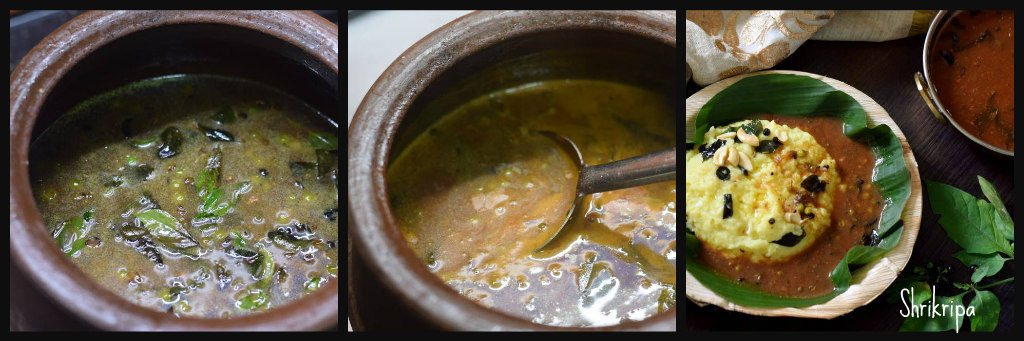
-Add tamarind water, salt, jaggery (jaggery should be a little more)

-Boil until berries are cooked and soft. Time to add Sambar powder.

-Mix rice flour in ¼ cup of water, mix and pour it into the curry.

-Boil this nicely, until the top of the curry looks glossy. In the meantime, adjust and add salt, jaggery or sambar powder if needed.

-Serve this Gojju with Pongal as a side dish or you can have it with white rice as well.

-It is sweet, sour and Hot in taste and pairs very well with Pongal.


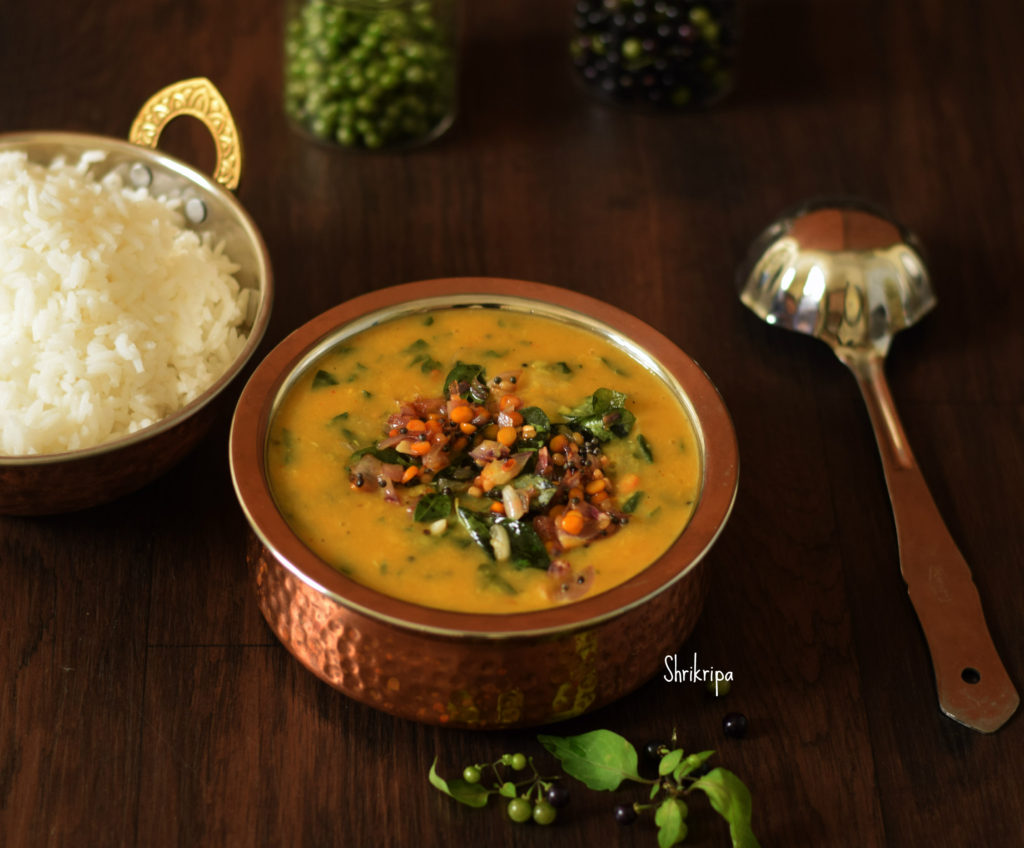
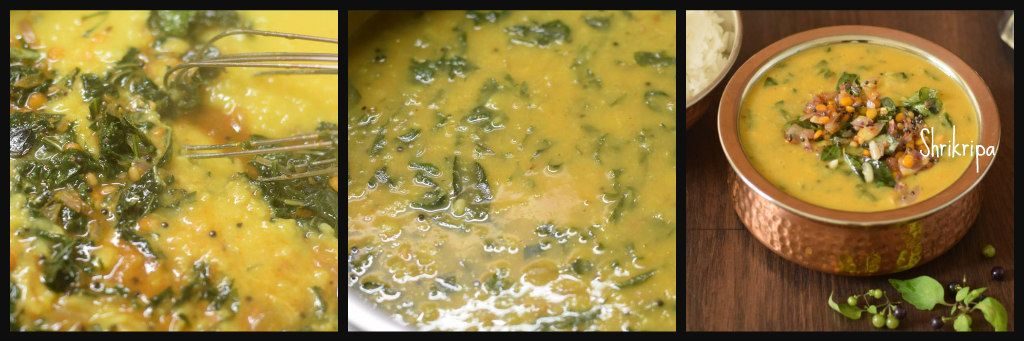
Ganike Soppu Kootu:

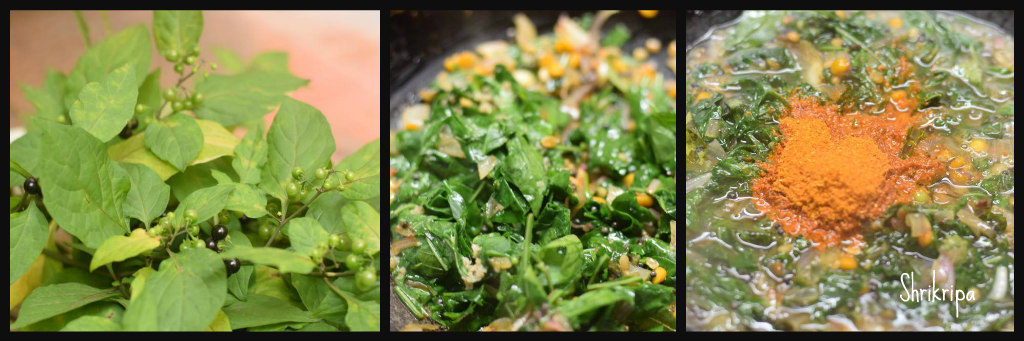
Monsoon Is the time, when my garden is filled with greens and I make use of all the goodness that mother nature is offering to us.  Ganike soppu is a widely known herb by many regional names like Ganike or Kakke soppu in Kannada, Manathakkali keerai in Tamil. Botanical name is Solanum Nigrum which is originated in South Africa and commonly known as Black nightshade.

It is a medicinal herb and very good for stomach ailments, is what I have heard from my elders. Usually green leaves are used to make Tambli and it is believed that, it is a remedy for menstrual cramps as well as stomach related discomforts.

This time I got a bumper harvest from wildly grown plants and tried to make kootu but without adding coconut. It is a sort of dhal cum sambar. We liked it and thought of sharing it with my readers as well.

Kootu recipe, what I have followed is from Jayanthi Senguttuvan aunty and posted on our Foodie group by Senguttuvan uncle. Made some changes according to our requirement and enjoyed it thoroughly with hot rice as well as dosas.

Ingredients:

Toor dal and Moong dal – ½ + ½ cup each

Turmeric – ½ tea spoon

Hing – ¼ tea spoon

Sambar powder – 1 to 2 tea spoons

Salt

Seasoning:

Oil – 1 table spoon

Mustard – 1 tea spoon

Urad dal – 1 tea spoon

Gram dal – 1 tea spoon

Curry leaves – 1 string

Onion -1 medium

Ganike soppu/ greens – As required

Method:

-Take one cooker, wash dals, put required amount of water, turmeric, hing and cook.

-Wash greens. Chop greens as well as onion.

-Prepare seasoning, heat oil, splutter mustard, fry urad dal, chana dal and add curry leaves, chopped onions and fry for a while.

-Add chopped greens and fry until it wilts.

-Add sambar powder, salt and adjust the consistency by adding water.

– Add cooked, mashed dal, check for the salt and masala, adjust it.

-Boil nicely and serve with rice, roti or Dosa or as you wish to have.


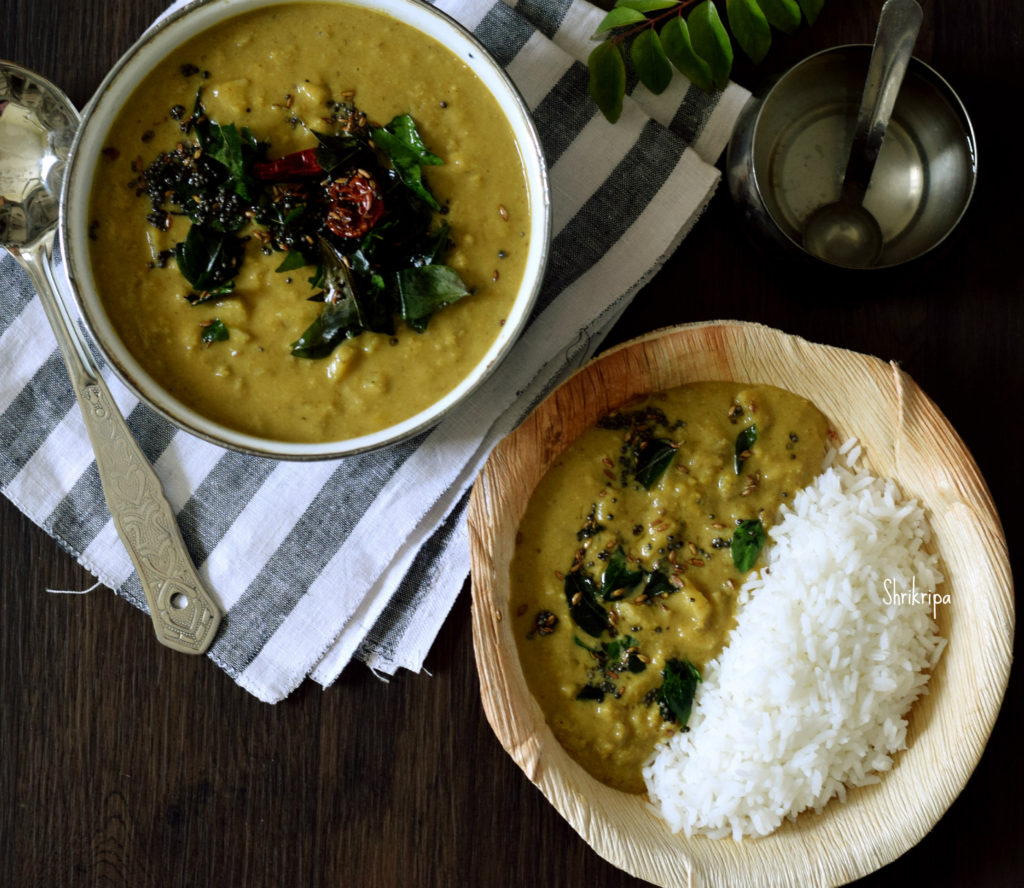
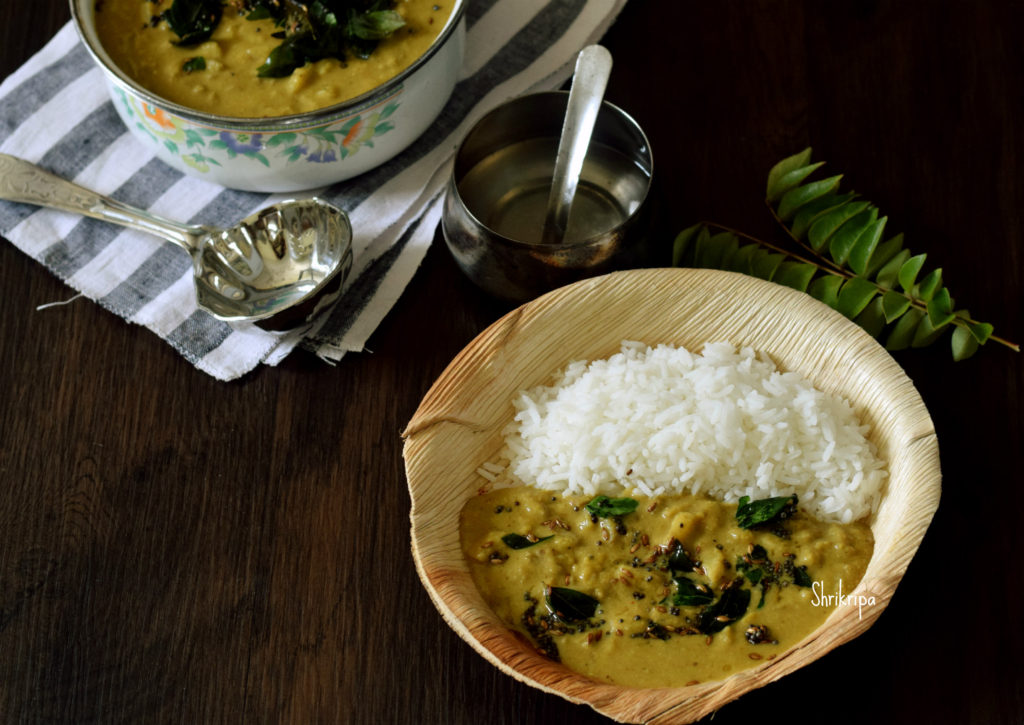
Raw Plantain / Raw Banana Pepper Curry

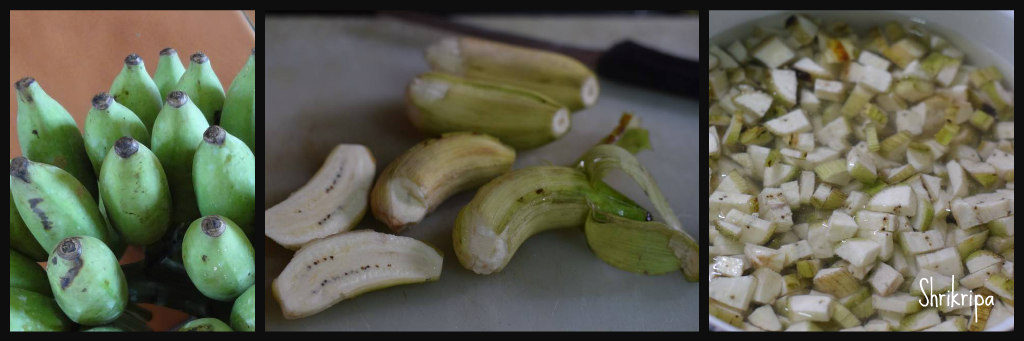
This is an age old recipe, which we used to enjoy during our childhood. Usually my paternal aunt used to make this curry by using the small variety of banana. Banana I have used is home grown, small variety which we call as Kadali / Yelakki banana. Non-ripe, green one.

This curry is prepared using little bit of Toor dal and good amount of pepper for heat. Plantain pepper curry is tangy, spicy and little bit sweet all at the same time. This curry goes along with plain rice with a dollop of ghee or Coconut oil.

Ingredients:

Plantain/Raw banana – 7-8 (if it is small variety) 1 or 2 (if it is big variety)

Toor dal – ¾ cup

Salt – to taste

Jaggery – 1 to 2 tsp.

Red chilli powder – 1 tsp.

Turmeric powder – ½  tsp.

Tamarind – 1 small lemon size.

For masala: Toor dal – ½ tsp, Fenugreek seeds-¼ tsp, coriander- 1tsp, Cumin – ½ tsp, black pepper – 2 tsp, garlic – 5 -6 cloves, coconut- 2 tsp.

Seasoning: Coconut oil – 2tsp, mustard -1 tsp, Cumin – ½ tsp, red chillies -1 to 2, curry leaves –little.

Method:

-Cook toor dal in sufficient water and keep aside.

– Peel banana and chop it into a tiny bit, immerse in water to avoid discoloration.

– Now take one vessel and prepare tamarind water (by putting tamarind in 2 cups of water). Keep it for boiling.

-To this, add salt, red chilli powder, jaggery, and turmeric powder. When it starts boiling, add banana bits by draining the water in which it was immersed.

-Now prepare masala by roasting toor dal, fenugreek, coriander, Cumin, pepper and garlic with little oil (preferably coconut oil) .

-When dal becomes light brown, remove from the flame and grind this into a smooth paste with coconut.

– When banana is done, add cooked dal, ground paste, required amount of water (adjust according to your requirement), check for salt and sweetness.

-Boil this mixture and add seasoning by using all seasoning ingredients.

-Serve with hot rice with dollop of ghee or coconut oil.


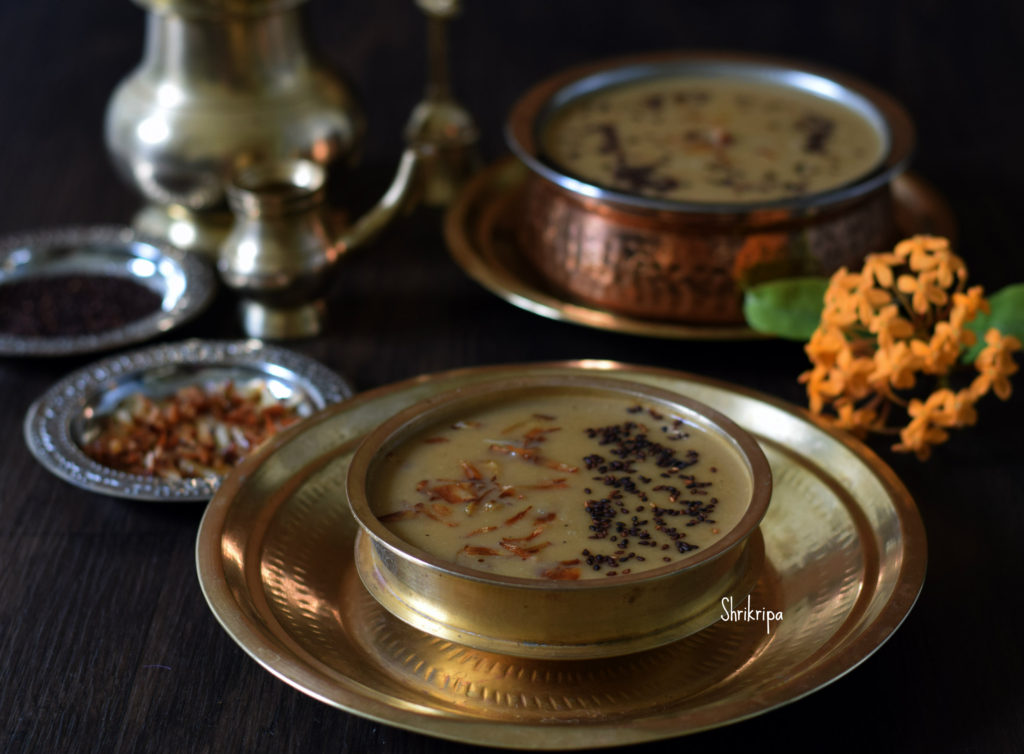
Halasina Hannu Berati Payasa / Preserved jack fruit payasam:

First, I want to wish a very very happy “Krishna Janmashtami” to all my readers. On the eve of this festival I made our traditional payasam and enjoyed with my family.

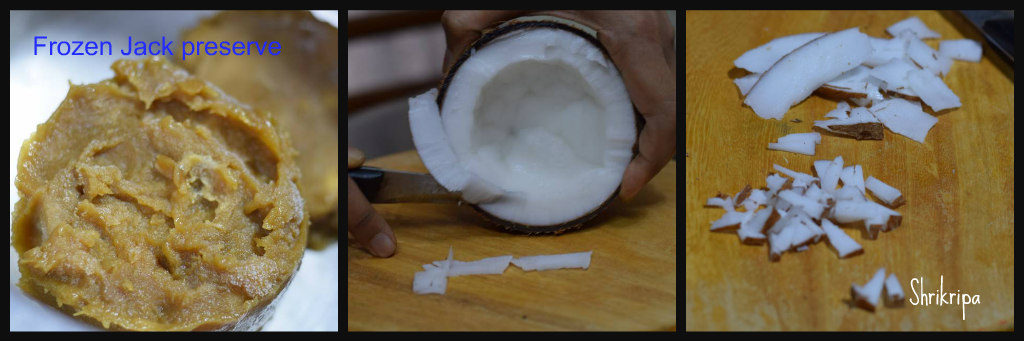
Berati” is nothing but preserved jackfruit pulp, which is cooked until it forms into thick mass and usually made during Jack fruit season and stored for future use.

How to preserve jackfruit / Berati is already shared in my blog and it is here .

In Coastal region we love jack in many forms. Berati Payasa is one of them.

Now we will see traditionally how it is made:

Ingredients:

Berati / jackfruit preserve – 1 bowl

Coconut – 1 (To extract milk)

-OR-

Thin coconut milk – 2cups

Thick coconut milk – ½ cup

Jaggery – to taste

Salt – ½ tsp

Cardamom powder – ½ tsp

For Seasoning:

Ghee – 1 tbl sp

Thin Coconut slices – 2 tbl sp

Cashew pieces – 2 tbl sp

OR

Toasted black sesame – 1 table spoon

Fresh coconut slices – 1 to 2 table spoons

Method:

  • Take out Berati from your freezer and keep aside for some time to attain room temperature.
  • Slice coconut by using small knife, chop these sliced pieces into small bits.

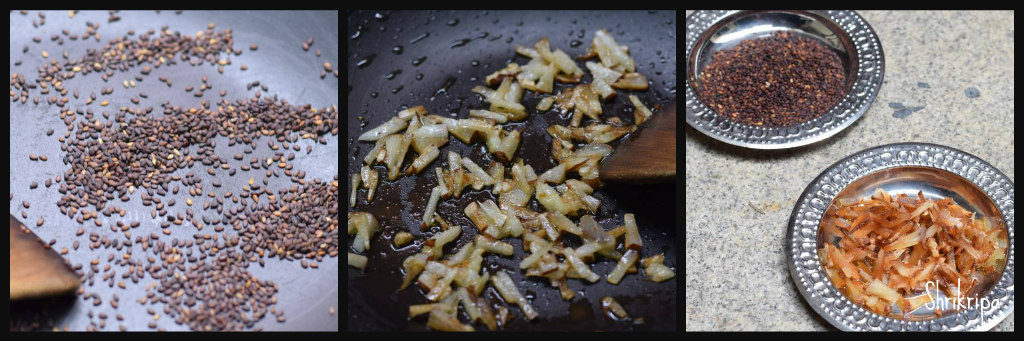
  • Toast black sesame and keep aside.
  • Take little ghee and fry coconut bits and keep aside.

  • If you want to, you can add ghee roasted cashew bits as well.
  • Grate coconut (coconut should be fresh), put one cup of water and grind this in a mixer jar and extract milk by sieving this ground mixture.
  • This is thick coconut milk and you should keep this separately. We use this at the end stage of Payasa making.
  • Do this procedure a couple of times to get a thin extract and lastly discard coconut fibre.
  • If you are using readymade coconut milk, please skip this step.
  • Now take one thick bottomed vessel, put Berati, thin coconut milk and dissolve Berati and keep this on a gas stove to boil.

  • Usually while making Berati, we put little jaggery, so add required amount of jaggery and boil until raw smell of the jaggery vanishes.
  • Lastly add thick extract of coconut milk and give one boil. Don’t boil it much. Add Cardamom powder and mix.    

  • Remove from fire and add fried coconut pieces, toasted black sesame or cashew brittles to prepared Payasa.
  • Serve with lunch thali or as a dessert.

NOTE:

  • Traditionally only toasted sesame and coconut bits are added.

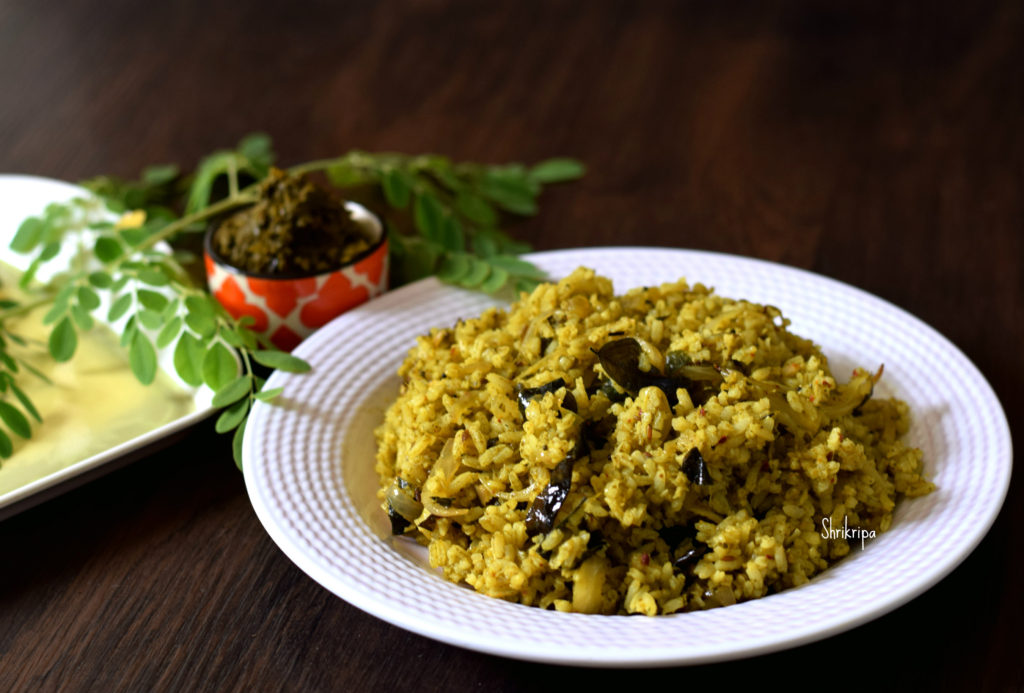
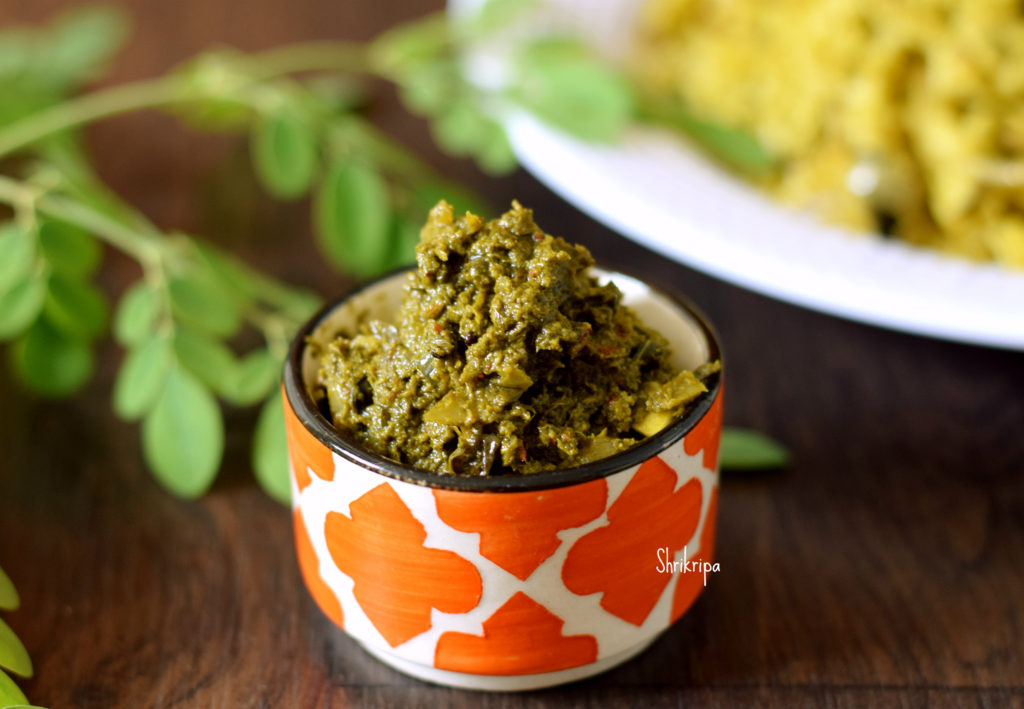
Moringa / Drumstick leaves chutney and Rice:

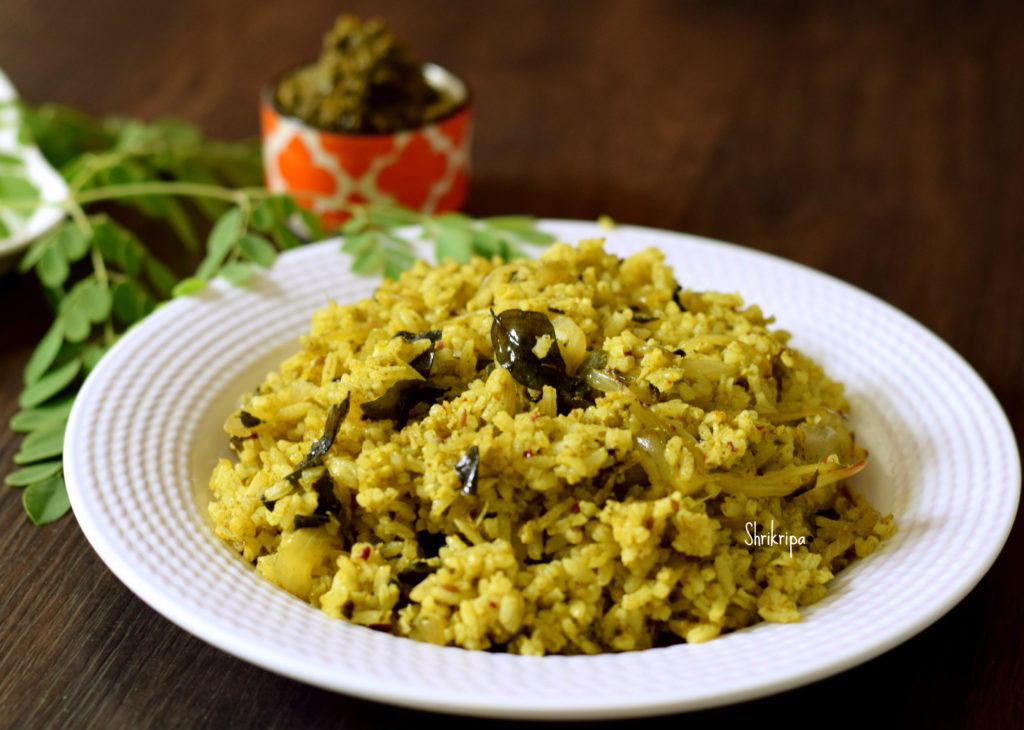
Nugge Soppu ,Moringa or Drumstick leaves are a power house of nutrients.  Back in 2016 I had tried a bunch of drumstick recipes to publish in Vijaya next kannada daily. This chutney recipe is from that trial and after that it is in my regular menu and I have made it many times, as well as tried to mix this same chutney into cooked rice after doing some seasoning and liked it a lot and It is an awesome way to feed small kids with added goodness of moringa.

I will first describe how to make chutney and at last I will add the procedure of rice as well.

This chutney stays good for up to one week and we can store this in a refrigerator and can be enjoyed as a side dish or make rice item and relish and can be packed as a carry meal in a tiffin box as well.

Procedure for  Chutney:

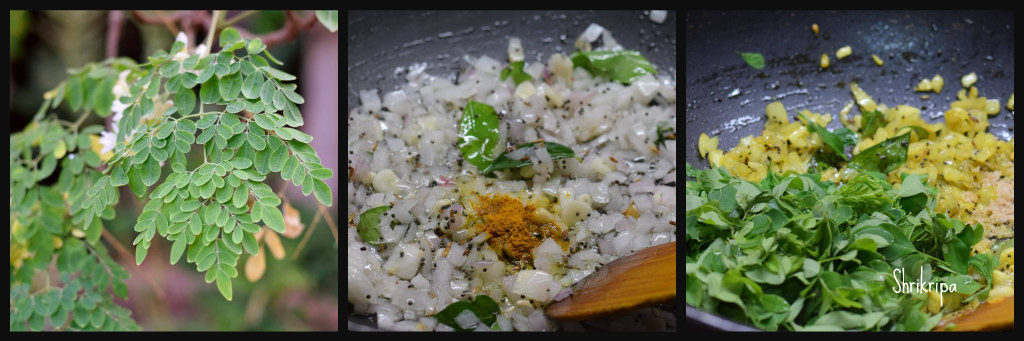
Moringa leaves – 4 cups (keep aside some young leaves for seasoning)

To be ground:

Roasted red chillies – 3

Black pepper – 3

Garlic – 10 cloves

Tamarind – ¼ tea spoon

Coriander leaves – 3 table spoons (chopped)

Cumin – 1 tea spoon

Jaggery – ½ to 1 tea spoon

Salt

Seasoning;

Oil – 2 table spoons

Mustard – 1 tea spoon

Curry leaves – 2 strings

Garlic – 10 cloves (chopped)

Onion – 1 (chopped)

Turmeric – ½ tea spoon

Method:

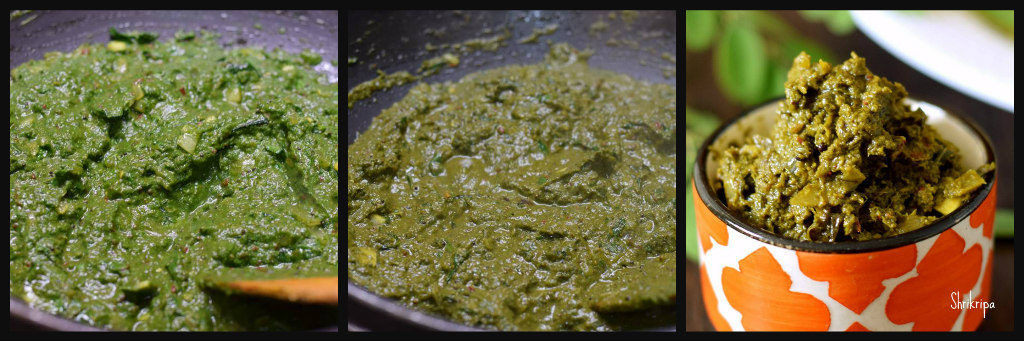
-Take moringa leaves (keep aside a little) and grind with all the items under “To be Ground” from Roasted red chillies to salt in the list by adding little water into coarse paste.

-Now take one kadai, do seasoning part. Heat oil, splutter mustard, add curry leaves, chopped garlic, onion ,turmeric and fry until onion and garlic becomes light brown.

-Add moringa leaves, which we have kept aside and fry till it wilts and add ground paste and fry for 3 to 5 minutes or until raw smell vanishes and mixture changes in colour.

-You can serve this as a side dish with hot rice and ghee. This chutney stays good under refrigeration and can be used as a moringa rice mix as well.

Now we will see the procedure for Moringa Rice:

It is simple. Take some oil and put one tea spoon of cumin, little curry leaves and one or two table spoons of ready chutney, little salt and mix nicely. Switch off the gas. Mix required amount of ready cooked rice in this mixture and mix nicely to devour aromatic moringa rice. If you have ready chutney around, it is a quick recipe.


Instant Stuffed Brinjal:

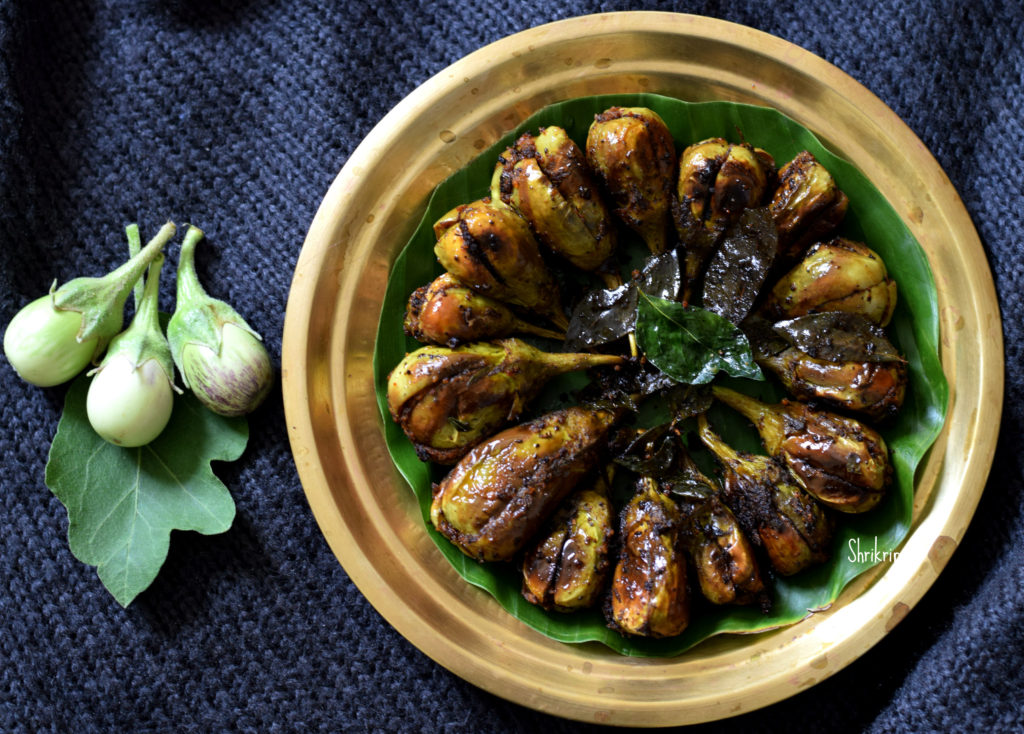
Tiny brinjals are very delicious in dry curries as well as in gravies. When I have plenty of home grown organic brinjals, I normally make this quick dish, which can be handy as well as tasty when you are super lazy to cook. If chutney powder (any chutney powder will do) is around, within no time you will be able to make this delicious dish. It can be relished as a starter, side dish or with curd rice.

Ingredients:

Tiny Brinjals – 12

Garlic Chutney powder – 2 to 3 table spoons

Hucchellu/ gurellu or Nigella seed powder – 1 tea spoon (optional)

Red chilli powder – 1 tea spoon

Amchur powder – ½ tea spoon

Salt

Turmeric – ½ tea spoon

Cooking oil – 2 tea spoons

Method:

-Hucchellu powder is purely optional. If you have roasted Hucchellu powder, use it.

-Take one bowl, mix chutney powder, gurellu powder, salt, turmeric, red chilli powder, amchur powder, salt.

-Wash brinjal, make 2 slits (+ shape) and fill this mixture and keep aside. If any mixture is remaining, keep aside.

-Take one kadai, add oil. When oil becomes hot, add masala filled brinjals and toss for couple of minutes.

-Sprinkle little (1 table spoon) water and close the lid and cook in a low flame.

-Once again sprinkle water in between and cook until brinjal shrinks and cooks properly.

-Lastly, sprinkle remaining masala mixture, give one stir and serve as you wish.