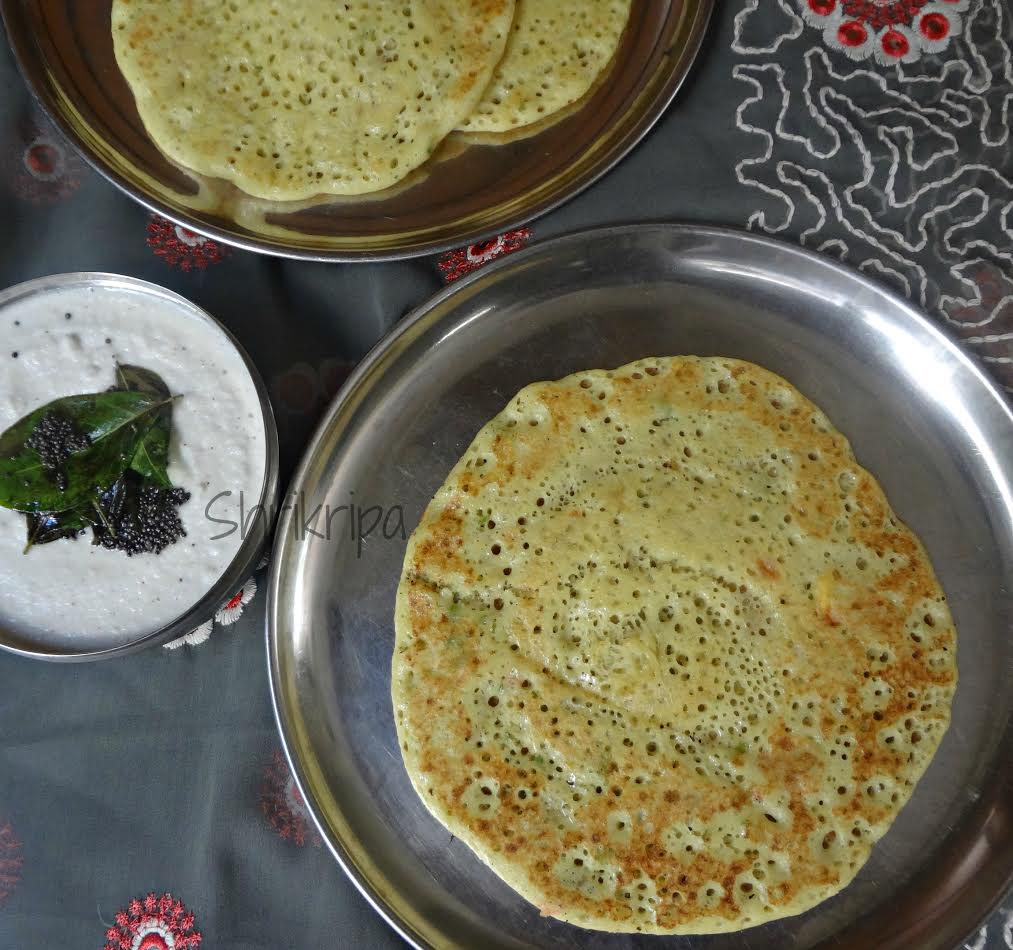
Tomato Omelette /Dosa:

tomato-omlette

This time when we went to Sirsi, we stayed at Hotel Madhuvana. When I looked at their menu, I was very curious to taste this special omelette, and ordered the same .When I tasted it, it was this amazing blend of flavours, and not at all like the usual tomato omelette which I prepare. Everybody liked the taste. It was little sweet, tangy at the same time filled with flavour. Immediately, my curious mind, started to check the ingredients. I had asked my hubby to note it down, one by one while I was checking the ingredients .After coming back, I took that list and tried to imitate the same and succeeded. Here I am, sharing this super tasty Dosa recipe.

Ingredients:

  • Dosa rice- 3 cups
  • Fenugreek/methi seed -2 tsp.
  • Beaten rice/poha- 1 ½ cup
  • Coconut – 2 fists full (grated)
  • Jaggery -2 table sp.
  • Salt –to taste
  • Turmeric – ½ tsp.
  • Eno fruit salt or cooking soda – 1tsp (optional)
  • Cumin- 1tsp.
  • Grated ginger – 1 tsp.
  • Firm tomatoes – 2
  • Coriander leaves – 2tblsp.

Method:

-Wash and soak Dosa rice, beaten rice and methi for 2 to 3 hours.

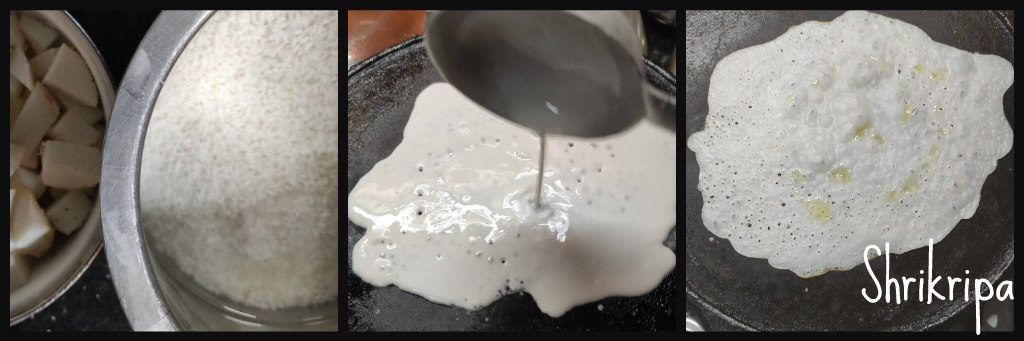
-Grind this into a smooth paste by adding turmeric, salt, jaggery, coconut to an idly batter consistency (little thicker than normal Dosa).

-Pour this batter into one big vessel, add jeera and keep it aside for fermentation.

-If you are living in the cold climate, next day morning add 1 tsp. Eno fruit salt, mix nicely and keep it aside for 10 min.

-Now chop Tomatoes, coriander leaves and grated ginger.
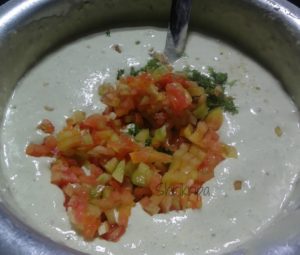
tomato-omlette-batter

-Mix this into Dosa batter and start making Dosa by pouring one serving spoon of the batter on a hot iron or non-stick tawa, don’t spread much. You will see thousands of holes on the upper surface. Smear with butter or clarified butter. When it is cooked, flip and cook on another side too. Serve this spongy tomato omelette with coconut chutney. Here I have served this with coconut-ginger chutney.
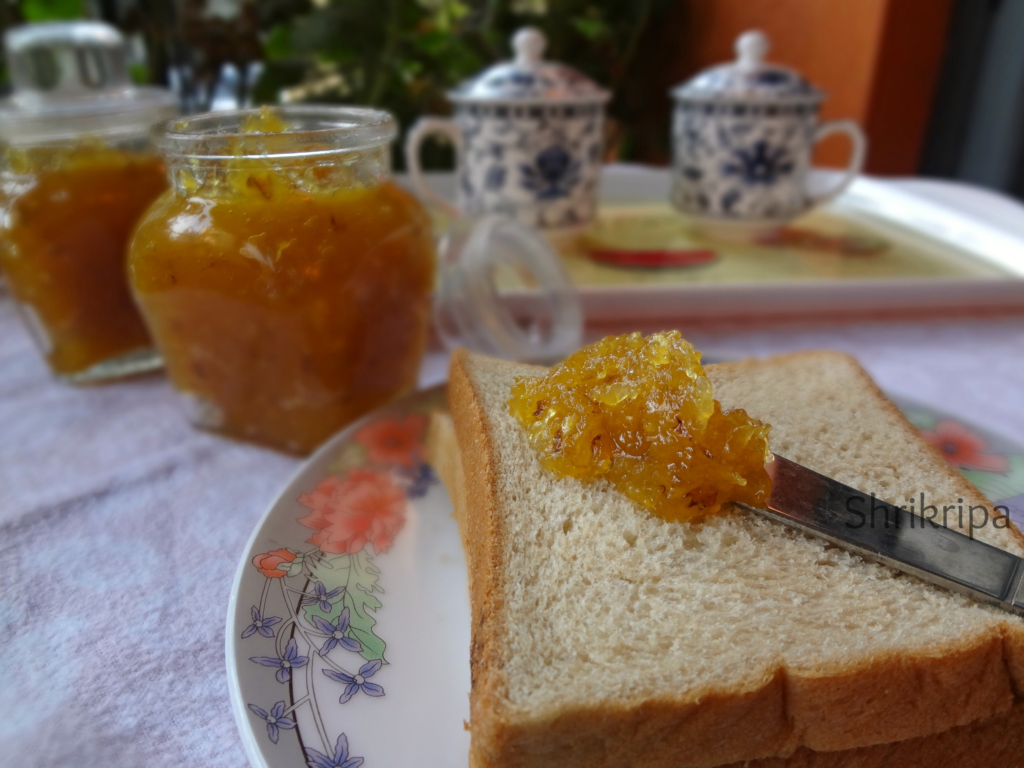
Home-Style Pineapple Jam:

Some things are such that, it brings back lots and lots of fond memories from your childhood. This pineapple jam is one among the list, which is so flavourful and has lovely texture of grated pineapple. This week, when I saw a pile of pineapples over the carts in every nook and corner of our streets, immediately my mind went back to my grandparents farmland, loads of pineapples and home style pineapple jams, which I used to cherish with breads, Roti’s or Dosa’s. My urge to have that taste in my taste bud was so strong, I couldn’t resist it and I bought one pineapple and made this jam.

Now we will jump into the recipe part  –

pic-4

Ingredients:

Pineapple – 1

Sugar – 1  to 1 ½  cups (adjust according to your taste)

Lemon juice – 1 teaspoon

Method:

-Remove outer skin and make 4 vertical pieces.

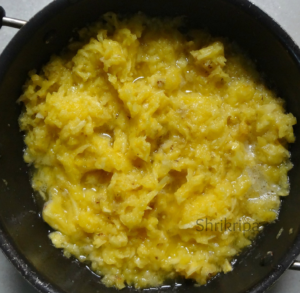
-Grate the fruit.

pic1

-Now put these gratings in a thick bottomed Kadai and start cooking on a low fire.

-Mix in-between to avoid burning.

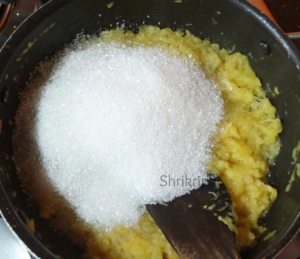
-When pineapple is cooked and all the water, which oozed out while cooking has evaporated, add sugar and mix.

pic2

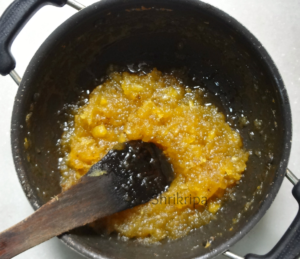
-Cook until pineapple mixture leaves from the sides of the kadai.

-Add lemon juice, give one stir and switch off the gas.

pic-3

-Cool this mixture and store this in a glass bottle.


Herbal Hair Oil :

Oil massage is very useful for the hair. It helps in preventing dandruff, hair fall and split ends. At least once in a week we should oil our hair and scalp to prevent it from all these problems.

pic-main


Traditional home made Herbal hair oil which we used to apply during our childhood contained so many rare ingredients like Bhringaraja, Bilvapatra etc. After marrying and settling in a bigger city, I had no access to these things and over the years I made some modifications to attain that goodness by mixing easily accessible ingredients from our surroundings.

This is how I prepare my yearly stock of very useful herbal hair oil.

Ingredients: Take some leaves from your surroundings like

-Brahmi (potted or any Mangalore store has it) you can use Brahmi powder as well.

-Rose leaves or Flowers.

-Curry leaves.

-Leaves of any variety of Jasmine.

-Tulsi leaves/Holy Basil

-Ixora flower bunch.

-Hibiscus flower and some leaves.

-Methi leaves or Stem or both combined.

-Little raw methi/Fenugreek seeds.

1- lemon.

-Coconut oil -1 liter.

pic-1


Method:

-wash all these materials (other than raw methi) very well.

-Take your mixer jar. At first take raw methi and powder. Then add leaves and chopped lemon (with skin) .Grind this with sufficient water. Now Herbal concentration is ready.
-Now take one thick bottomed vessel. Mix this ground mixture with one litre Coconut oil and boil nicely.

-it is exactly like ghee making, but will take much longer time. At first you will see a frothy texture, but slowly the bubbling will stop and the liquid will become transparent .At the bottom you will see a brown thick fibre like structure. Now switch off the gas and keep it for cooling.

When it comes to room temperature, sieve this and collect this fragrant herbal oil in a clean vessel and discard bottom fibrous part. After collecting this oil, store this in a dry airtight bottle. Use this at least once a week and enjoy.

pic-2

How to cook Vermicelli:

Initial days of cooking are very challenging. We face lots of hardships at the kitchen. Generally in south Indian cooking,  the quantity of water used, is crucial and the end result is depends on that. So, if we know the requirement of water for cooking that particular ingredient, half the battle is won.

Usually I get a query in my message box regarding some doubts or the other from my near and dear ones. In one such query’s person had asked me, why she can’t cook perfect vermicelli Upma?  Further she said, her preparation becomes little soggy each time she makes vermicelli upma. That day, while answering her query, I thought of making one separate category for learners in my future blog and today here I am, writing my first post, dedicated to cooking learners.

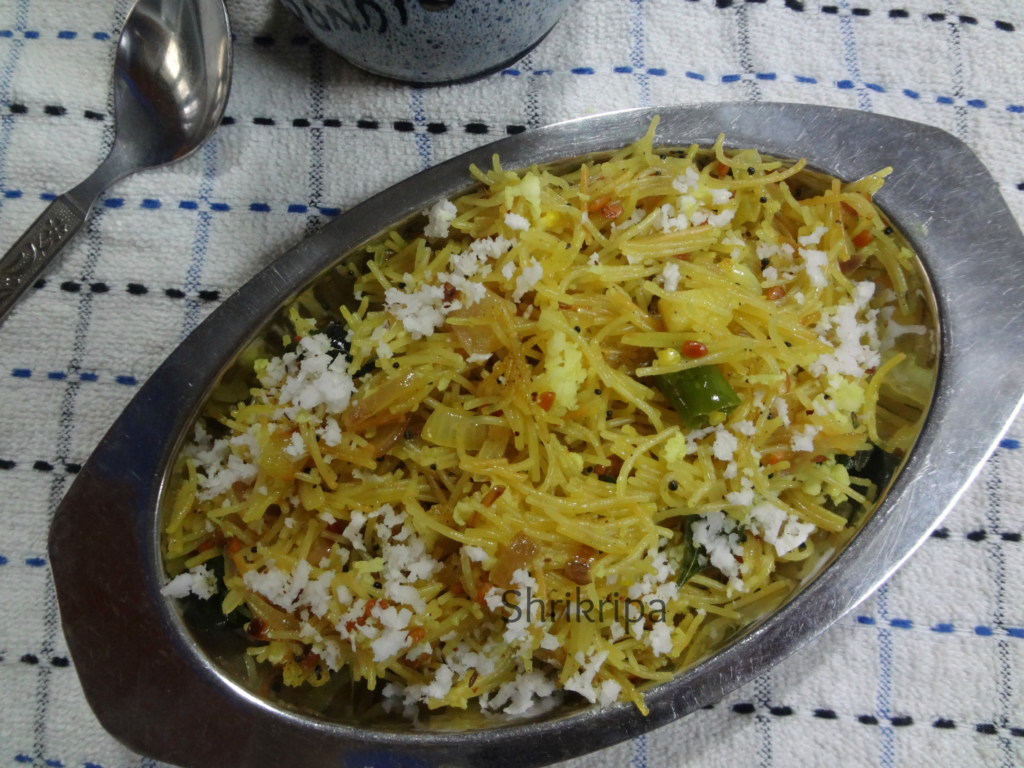
Here, I will guide you to make simple Vermicelli Upma

pic-9

Ingredients:

Vermicelli – 2 cups

Onion – 2 medium

Green chillies -2

Salt

Grated coconut – 1 table sp

Lemon – 1/2

For seasoning –

Mustard – 1 teaspoon

Urad dal – 1teaspoon

Curry leaves – 1 spring

Cumin- ½ teaspoon

Red chilli -1

Oil /ghee – 2 table spoon.

Method:

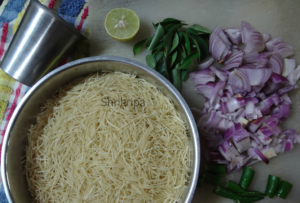
-First, Chop the onions, chillies and measure vermicelli and keep aside.

pic-1

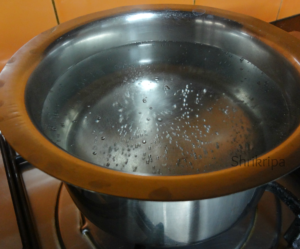
  • Keep one small bowl of water for boiling.

pic-2

  • In another burner, keep thick bottomed kadai; do seasoning by heating ghee or oil, or mix of both. When it is hot, add mustard. When the mustard splutters add urad dal. After it becomes light brown add red chilli, cumin, curry leaves.
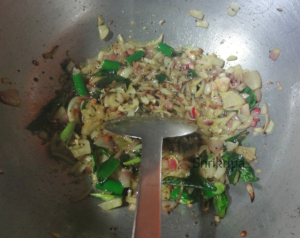
  • After this add chopped onion, green chillies and fry for a while.

pic-3

  • If you wish to add turmeric, you can add it now.
  • Add little salt and fry onion until it is light brown.
  • Add vermicelli and fry for a while.
  • How to check if oil is sufficient or not: while mixing vermicelli, if oil coats vermicelli and becomes wet and shiny, oil content is perfect for this upma. If you feel vermicelli is dry and it is not holding together, add little more oil or ghee.

pic-4

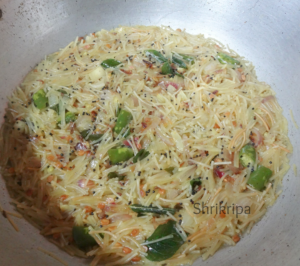
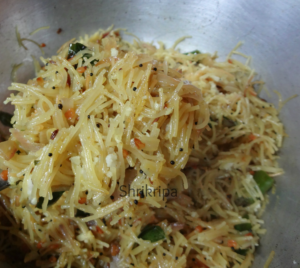
  • Next- how much roasting or frying is needed? After frying it for a couple of minutes on a low flame, you will see the colour change and each strand will becomes whitish and crispy. It is now time to add boiling water.(refer to this above picture)

pic-5

  • How much quantity of water? Please refer to the picture. While pouring, Water should be just above the vermicelli. Mix the mixture and check for the salt. If salt is needed add and cover the kadai with a lid and cook it in a low flame.

pic-6

  • After a couple of minutes, open the lid, if water is evaporated and top part of the layer appears cooked, that is it. If you find, it is yet to cook, sprinkle little water and keep it covered for couple of minutes.

pic-7

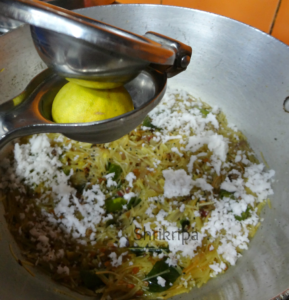
  • If you like to garnish with coconut, add coconut and add lemon juice and mix.

pic-8

Serve this upma with a cup of coffee or tea.

Munge Dosey/Coconut Sprout Dosa:

Come December, coconuts start sprouting and in our native, Agricultural background people will become so busy with seasonal activities. Usually December –January is the time frame to make coconut oil. First thing of the process starts by removing all the coconuts from the attic, where it was stored after each harvest.

Then comes, removing outer husk and inner fibre. Third job is breaking each and every coconut from the lot. This is the time; we find lots of sprouts, inside the coconut and these sprouts are so tasty to eat and spongy in texture.

Sprouted Coconuts or coconut sprouts are the edible spherical sponge-like cotyledons of germinating coconuts. They have a crunchy watery texture with a slight sweetness. They are eaten in coconut-growing countries either as is or as part of various dishes. We call it as munge, “sprout” which is a default name of coconut sprout and dosey which we prepare out of it is “Munge dosey”

People eat it as it is or make some delicacies. One of such item is Coconut sprout Dosa, which is very delicious and  it has a mild earthy  flavour. When I went last month to my native, my mom in law gave me some coconuts and one of the coconuts was sprouted and I felt so happy to see this sprout. First thing that came to my mind was this Dosa and I felt Nostalgic by thinking of my childhood.

Ingredients:

Dosa rice – 2cups

Coconuts sprout -1 ( if you have 2 sprouts, no need to add grated coconut)

Grated Coconut – ½ cup

Salt

Method:

Wash and soak Dosa rice for 3 to 4 hours. Chop coconut sprout in to small chunks.

-Grind soaked rice with chopped pieces of 2 sprouts, or one sprout with grated coconut by adding little water and salt.

-Make smooth paste. This batter must be like our regular Dosa batter and there is no need for fermentation.

-You can make use of this batter straight away. Usually we prepare this batter in the morning itself.

-If you want to prepare this batter in the evening, to make the Dosa in the morning, you can store the batter in the refrigerator.

-To prepare Dosa, heat iron Dosa tawa. When it is hot, don’t apply any oil .

-You can pour one serving spoon of batter and make Dosa like our regular Dosa. Pour ½ tsp of ghee and Close the lid. Or make little thinner batter and pour like a Neer Dosa or rawa Dosa.

-When it shows little brownish spots here and there, flip the side, cook upper side and serve with Coconut and onion chutney or honey or liquid jaggery syrup with ghee.

Note: If you have more than one sprout, no need to add grated coconut while grinding. Instead of one sprout, use two.


Butterfly pea flower and Lemon grass tea:

Two months back, when I was going through some articles, This article about Butterfly pea flower tea and its benefits attracted my attention and I tried my hand  it by preparing and experimenting, and my family loved this tea very much and now I want to share this recipe  with my readers too.

Butterfly pea flower, name itself is so exotic isn’t it? It is nothing but our wildly grown “Shankha Pushpa” flower. In Kannada Shankha means Conch and Pushpa means flower. This flower is widely used in making exotic teas, edible colour in Thai cuisine. Normally we find two colours in this, white and ink blue.

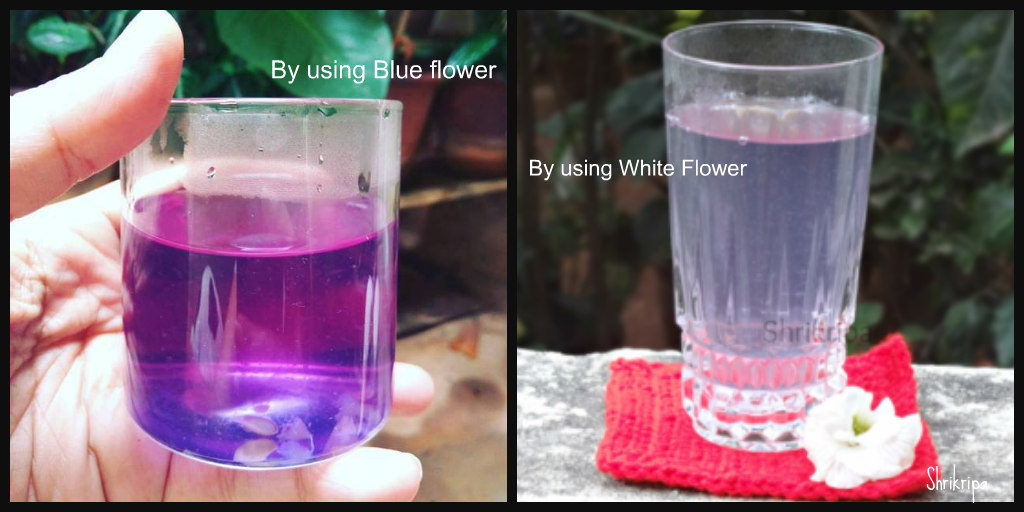
If you use blue flower for brewing, tea becomes pink after adding lemon juice.

Ribbet collage 1

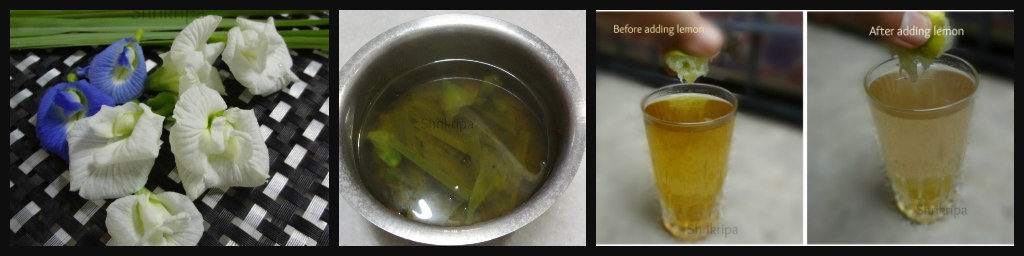
Here I have used white flowers and some fresh lemon grass from my garden. When we use white flower and lemon grass, the tea becomes golden yellow. If you add lemon juice for additional flavour, it changes its colour to transparent, like normal water.

This tea is fragrant, at the same time it is filled with so many good anti-oxidants. Over all it is one Exotic drink.

Now we will see, how I prepared it,

Ingredients:

For one big glass:

Water – 1 big glass

Butterfly pea flowers – 7 to 8

Lemon grass – 4 stalks

Sugar – 1 tsp

Lemon – ¼

Method:

-Collect fresh flowers, wash; chop lemon grass into 1 or 2” size pieces.

Ribbet collage 2

– Put water, lemon grass and flowers together and boil, until lemon grass changes its colour.

-Strain and add sugar or honey, whatever you prefer. You can use artificial sweetener as well.

-Your Exotic tea is ready to have, Pour into a serving glass.

-If you would like to add a little sourness, add lemon juice and see the magic. Golden tea will become transparent and glossy.

-Have your dose of antioxidant in this chilled weather and enjoy.


Bonda Soup:

I am a hard-core fan of “Bonda Soup”. It is very soothing to have in winter evenings.  Usually this is an after lunch snack at most of the Darshini’s in Bangalore.

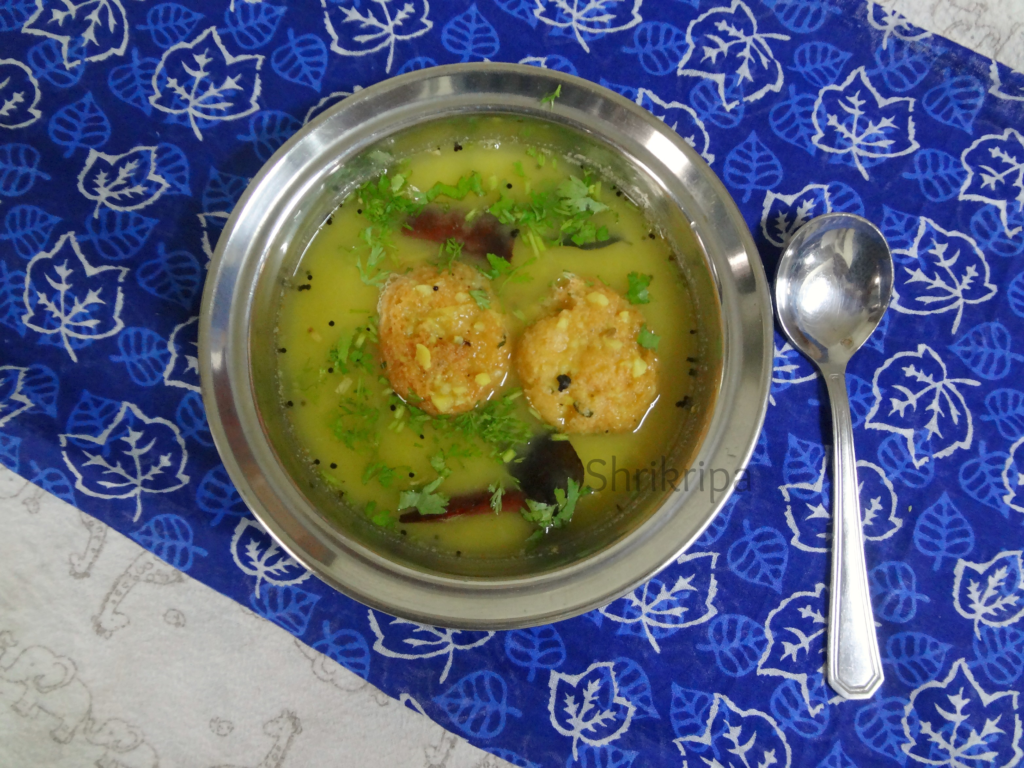
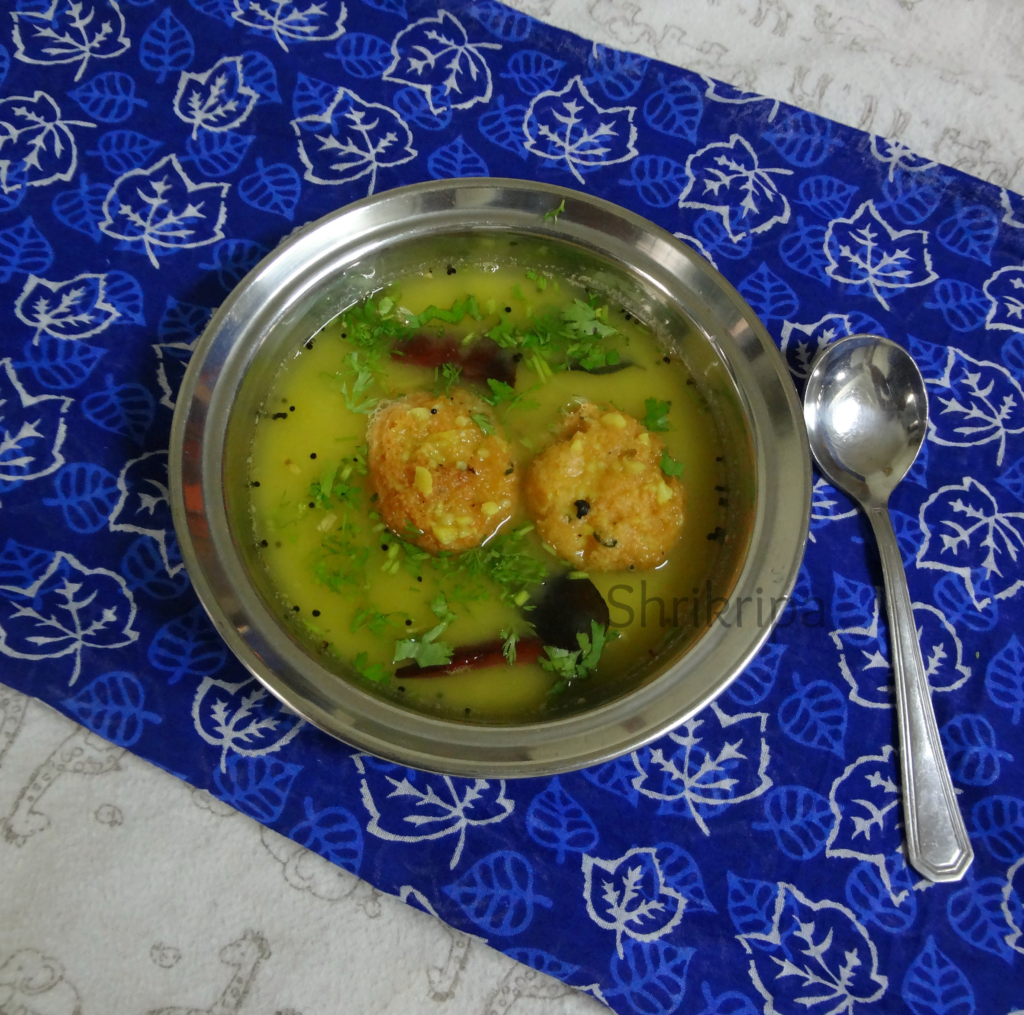
Bonda soup is nothing but Fried Black gram dal fritters or uddina vada which is soaked in Ginger and pepper flavoured dal.

bonda


For this, we have to make Bonda at first:

Ingredients:

Urad dal – 1 cup

Salt

Green chilli -1

Coconut pieces – 1 table spoon

Curry leaves – 1 spring.

Method:

-Soak Urad dal for 1 to 2 hours. Grind this smoothly by adding little by little water at interval. Add salt.

-Batter should be smooth and fine. Usage of grinder will yield perfect batter. If you are using mixer grinder, you can use chilled water for grinding, so that batter will not become hot while grinding.

pic-1

– Add chopped curry leaves, green chilli and coconut bits.

-Keep oil in a kadai, for deep frying.

pic-2

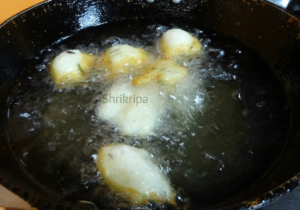
-When oil becomes hot, make small round bonda’s, fry this in a medium heat and keep it ready.

Next we are making the Soup.

Ingredients:

Toor dal – ½ cup

Green gram/Moong dal – ½ cup

Green chillies -2

Ginger – 1” piece

Salt

Hing – ½ tea spoon

Turmeric – ½ tea spoon

Curry leaves – 1 spring

Cumin – 1 teaspoon

Black pepper – 1 teaspoon

Seasoning: Ghee – 1 teaspoon, mustard – 1 teaspoon, Cumin – ½ teaspoon, Red chilli -1, curry leaves – 1 spring.

Method:

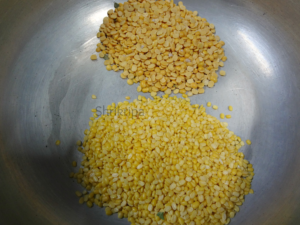
  • Take both the dals ,Wash and cook this in a cooker

pic-3

-Cool completely and churn this cooked dal by using hand blender or mixer jar.

-Now Take one vessel ,pour this dal, add salt ,turmeric ,one spring curry leaves ,hing ,chopped green chillies ,ginger juveniles.

pic-4

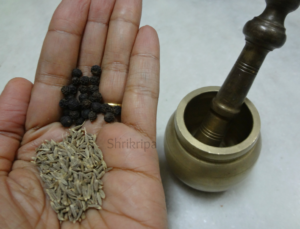
-Take one pestle and mortar, crush pepper and cumin and add this powder too.

pic-5

-Boil it nicely, until green chillies are cooked.

-Add seasoning by putting ghee, mustard, cumin, red chilli and curry leaves.

bonda-soup


-Now Soup is ready.-To serve, you should take one serving bowl; Keep couple of Bonda’s and pour one or two ladle full of Soup, garnish with coriander leaves, and serve.

Choco chip cookie with M&M:

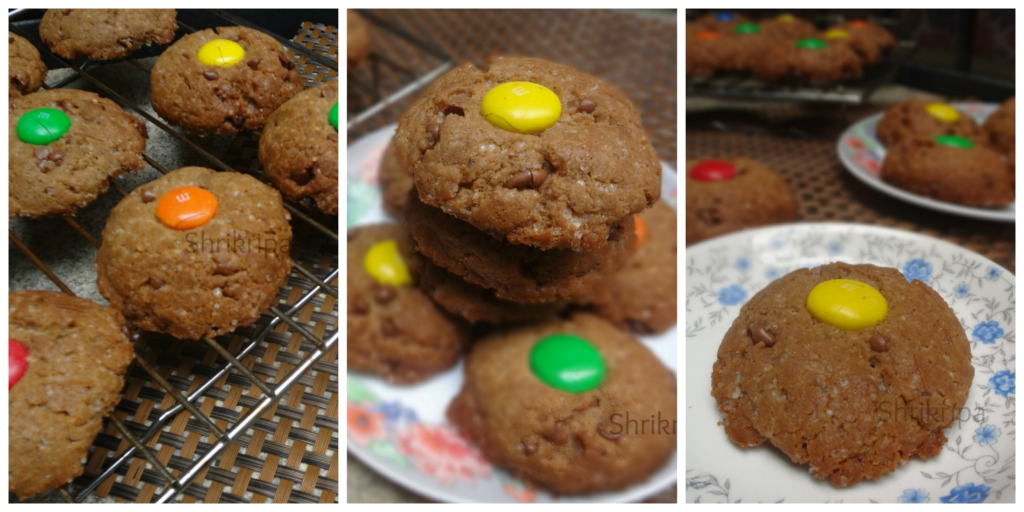
Who can resist Choco chips and m&m? My kids just love this combination and it works really well as a birthday party treat too.

If u have leftover m&m’s at home which you totally forgot about? This is a yummy way to use them up! Every crumb tastes so delicious; you wouldn’t want to put it down!

mm

Ingredients:

Whole wheat flour -1 cup

All-purpose flour – 1 ½ cup

Baking powder – ¾ tea spoon

Cooking soda – ¾ tsp

Demerara sugar – 1 cup

White sugar – ½ cup

Butter – 200 Grams (I have used 100 gms butter + 100 gms sunflower oil)

Eggs – 2

Vanilla essence – 1 tsp

Choco chip – ¾ cup

m&m chocolates – to decorate.

Method:

–  Pre heat oven to 170º C, grease cookie tray and line with butter paper.

-Add all the dry ingredients (flours + baking powder + cooking soda).

-Take a bowl, put butter and beat nicely. Add both the sugars, vanilla essence and once again beat until it becomes soft and airy. Now add eggs and beat. Add all the dry ingredients and mix using a spatula .While mixing add Choco chip. Now using an ice cream scooper, drop the dough into the cookie tray .

cookie-dough

-If you have m&m s, you can press it on to the center.

–  Bake for 12 to 15 minutes or until knife comes out clean.

pic-1

When it’s done, take it out and cool. After it cools completely store it in an air tight container.


Pumpkin Tawa Fry

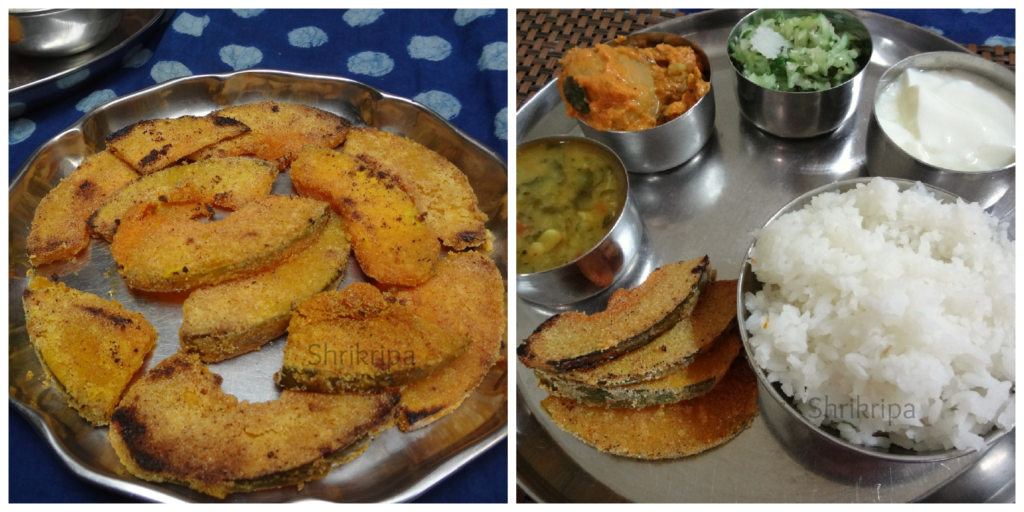
Two years back I had a pumpkin vine in my kitchen garden. We enjoyed so many delicacies from its flower and we used to love the  tawa fry of the flowers a lot. Even now my daughter remembers the taste of it and asks me to make them. Last week she asked me to try pumpkin tawa fry, instead of the flower and it turned out to be absolutely delicious and she was happy too. It is a blend of all kinds of flavours, the sweetness and hing combine to make it a great side dish.

pumpkin-tawa-fry

Here I have used green colored young pumpkin –

Ingredient:

Pumpkin slices – 20

For marinating:

Salt – 1 teaspoon

Hing – ¼ tsp

Red chilli powder – ½ tsp

Outer cover:

Chiroti /fine rawa – 3 table spoon

Rice flour – 2 teaspoon

Powdered Hing – ½ tsp

Salt – to taste

Red chilli powder – 1 tsp

Turmeric – ½ teaspoon

Coconut oil – 3 -4 table spoon.

Method:

  • Slice pumpkin into ¼ “thickness, with outer skin intact.

pic-1

  • Put marinating ingredient and mix this and keep aside for 1 to 2 hours.
pic-3
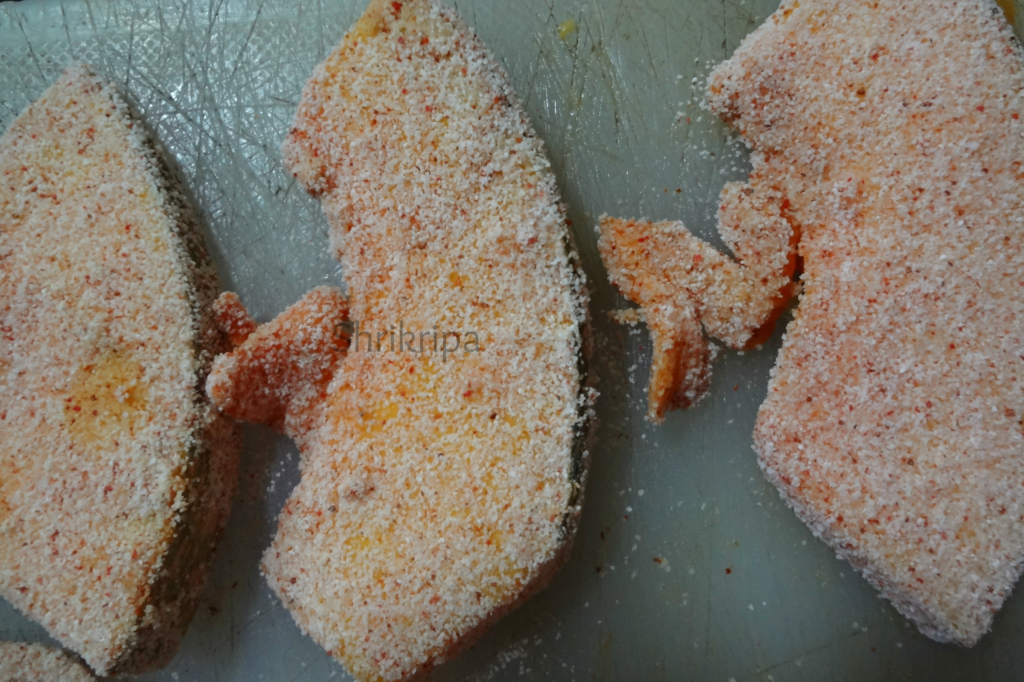
Rawa coated pumpkin pieces
  • Take one bowl: mix all the ingredients under outer cover- rawa, salt, rice flour, hing, red chilli powder, turmeric – and mix without adding water.
  • Whenever you are ready to make it, heat iron Dosa griddle, dip each piece in the rawa mix, coat both the side nicely and keep them for frying on the hot iron griddle.
  • Roast both the sides by applying sufficient coconut oil.

pic-9

  • It can be served as an appetizer or side dish for a South Indian lunch.

-Hope you will like the dish as much as we did 🙂

Have a nice day! Cant wait to put up more dishes for you 😀

P.S: If any of my ideas inspire you to create something on the similar lines, I would feel highly flattered. But please, do respect the effort I take in conceptualizing and executing, please give a direct link to my work when you are inspired by mine. Thanks for understanding 🙂

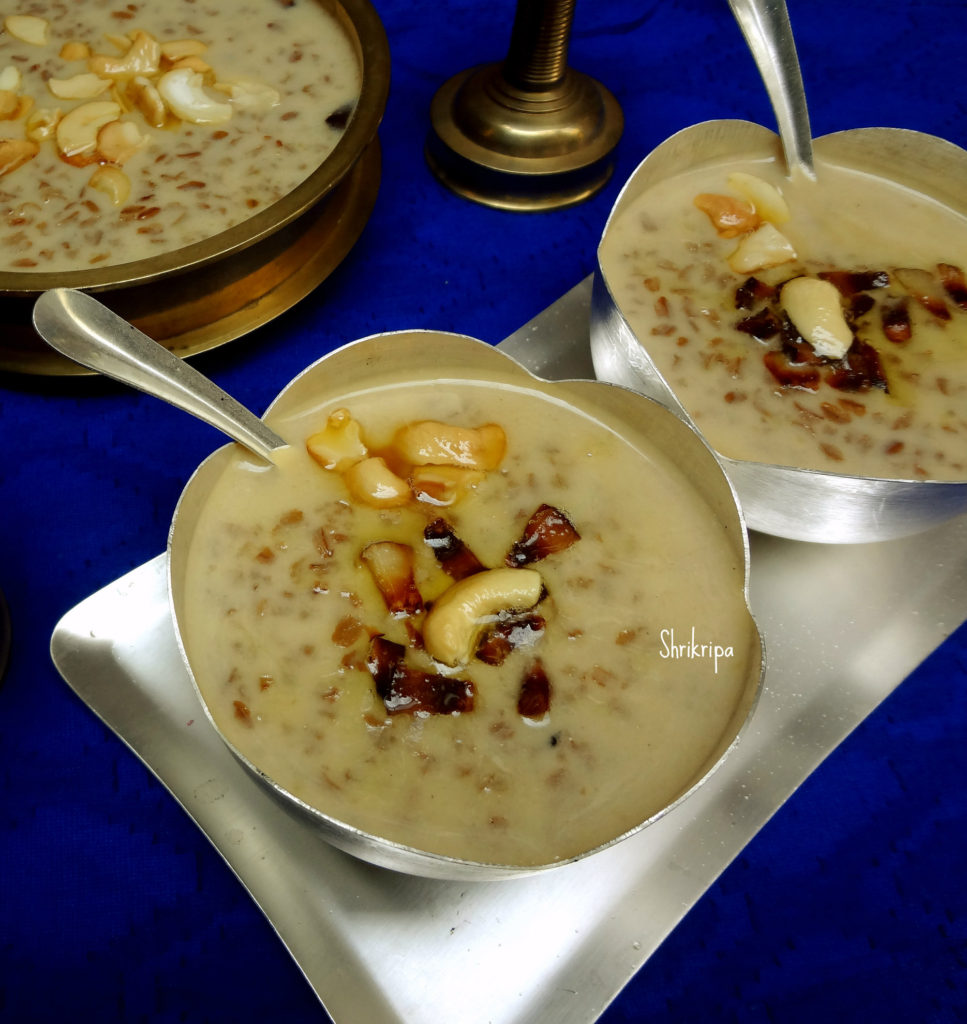
Bamboo Rice Payasam

Hey, it is my first post and I am super excited!!!

Want this to dedicate all my near and dears who have inspired me to start my own space and pestered me throughout. When I was thinking what to post as a first step, I remembered this recipe!

Bamboo rice is very famous in western ghat region, especially in Wayanad and Munnar region of Kerala state. It is locally known as Mulayari. Usually tribal folks will collect this and supply to the local societies. Now a day I have seen this rice in so many organic exhibitions at Bangalore as well.  I had received this unknown ingredient as a gift from my sister, who bought it from her Munnar trip, as a “new item to try” who always encouraged me to try out new recipes and appreciated my preparation throughout.

Ingredients:

Bamboo rice – 1 cup

Jaggery – 1 cup

Water – 2 cups (if you are using tinned coconut milk)

-OR-

Thin coconut milk – 2 cups

Thick coconut milk – 1 cup

Cardamom powder – 1 tsp

Coconut bits – 1 table spoon

Cashew bits – 1 table spoon

Ghee /clarified butter – 1 table spoon.

Salt – ¼ tea spoon.

Method:

-Wash Bamboo rice twice and soak this for half an hour.

– Cook this soaked rice in a cooker for 3 to 4 whistles with sufficient water.

– When it is cooked, it will be soft and you can crush it easily.

-Now add jaggery and thin coconut milk and boil this until raw smell of the jaggery vanishes.

-If you are using tinned coconut milk, add water after adding jaggery.

-When it is done, add thick coconut milk, cardamom, salt. Don’t boil much, give only one boil. Remove from the heat.

-Now take one small tawa, add little ghee, fry coconut bits and cashew separately and add this to payasam.

Enjoy this when it is hot. Don’t cool this in a fridge, outer cover of the rice tends to become hard and chewy.