Masala Dosa:

Who doesn’t love Masala Dosa? It is an absolute favourite in our family.

A properly made crisp Dosa is very delicious if the batter is perfectly fermented with little sour flavour and correct consistency.

Normally Masala Dosa can be served either by applying Red chutney or Green chutney.

Red chutney what I make is not very hot and made with only chillies. It is coconut-based garlic flavoured chutney.

In other hand, green chutney smeared Dosa is something I relish in Hotel MTR outlet in Bangalore. I tried to replicate the taste at home, and it is once again a coconut chutney, which is flavoured by coriander leaves.

In our coastal region, you never get to see red chutney applied Masala dosas. It is normal paper plain Dosa with bhaji at the centre and rolled like a paper roll and served with the watery ginger chutney and sambar as an accompaniment.

In our house we normally make red chutney and apply and enjoy garlicky flavoured chutney with aloo masala.
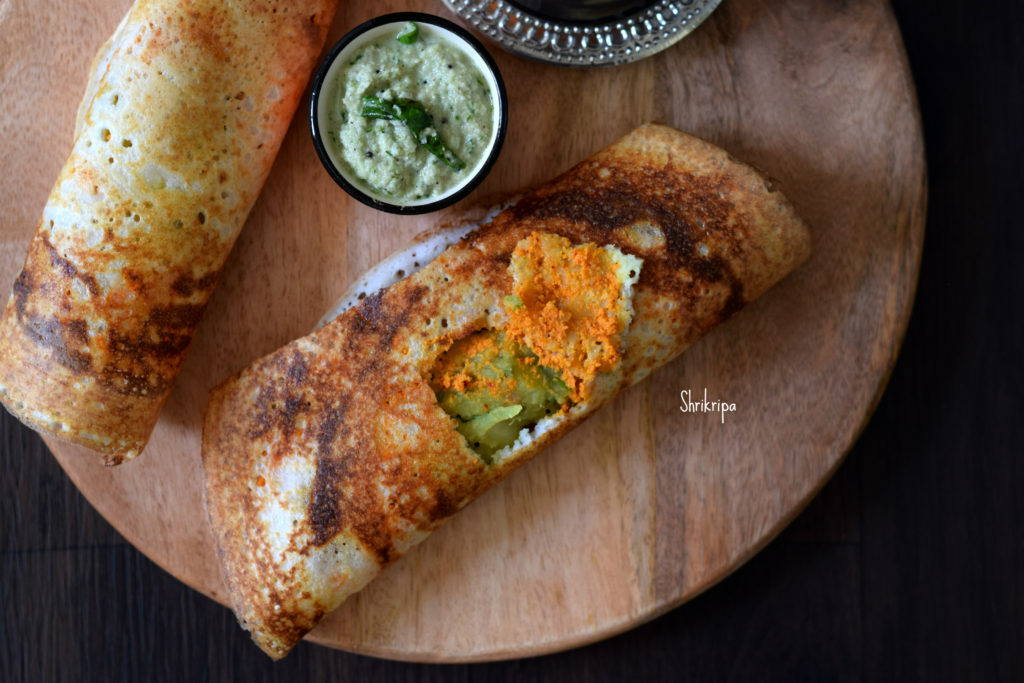
First, we will see How to make Dosa Batter:

Ingredient:

Dosa rice -1 cup

Idly rice -1 cup

Urad dal – ½ cup

Bengal gram/Chana dal – 1 tbl sp

Fenugreek/methi seeds – 1 tsp.

Beaten rice – ¼ cup

  Method:

-Wash all these ingredients couple of times.

-Soak this in a sufficient water (washed rice and dal should submerge) for 3 to 4 hours. Drain water from the rice and keep aside. This water is used while grinding according to the requirement. Grind soaked rice –dal mixture by adding salt in to a very fine /smooth batter by using wet grinder or Mixer grinder. I prefer Wet grinder and it certainly gives much finer, perfect batter. After removing the batter adjust the consistency by mixing properly. Now keep this ground batter for fermentation in a big vessel, so that it will allow room for puffed/fermented batter. It will take anywhere between 8 to 16 hours (according to the outside weather)

Note: In Bangalore I usually soak my lentils around morning, grinding happens around afternoon 2 to 3 pm and until next morning I keep the batter for fermentation. This is how I get my perfectly fermented batter. 

Potato Bhaji/ filling:

Ingredients:

Potato – 6 big

Onion – 3 big

Green chilli – 2 to 3

Grated ginger – ½ “

Turmeric – ½ tsp.

Salt

Seasoning: Coconut oil -2 tbl sp, mustard- 1tsp, Urad dal -1 tsp., chana dal-1 tsp, Cumin seeds – ½ tsp, hing – ¼ tsp, Red chilli -1, curry leaves -2 springs.

Chopped coriander leaves for garnishing.

 Method:

-Wash potato cut in to half and put this in a cooker with sufficient water. Cook for two whistles. Cool, remove outer skin, mash and keep aside.

-Slice onion and slit green chillies.

-Take one kadai, add coconut oil, mustard, when it starts to splutter, add cumin, hing, Urad dal, chana dal, red chilli. When dal becomes red add Curry leaves, slit green chillies and onions.

-Add turmeric and fry onions till it becomes light brown.

-Now add one to two cups of water, add salt.

-When water starts boiling add mashed potato and mix nicely. Check for the seasoning and close the lid and cook for a while until it becomes homogenised and water drains.

-Switch off the gas and garnish with chopped coriander leaves.


Red Chutney: It is garlic flavoured very thick coconut chutney.
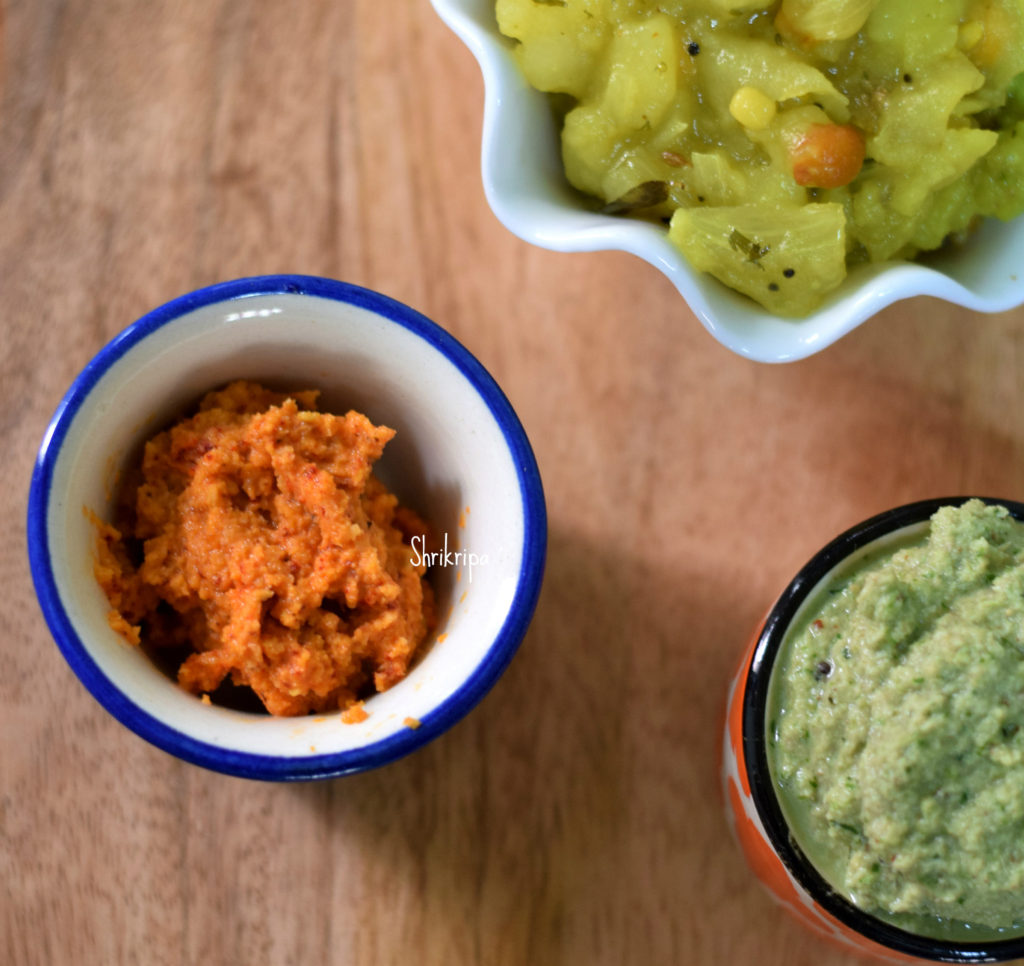
Ingredients:

Grated fresh coconut – 1 cup

Red chilli – 2

Garlic cloves -7 to 8

Tamarind – ¼ tsp.

Salt

Method: Roast Red chillies by putting ¼ tsp of oil.

Put all the ingredients together in a mixer jar, dry grind at first and then put very little water and make very thick consistency. This chutney is used for applying over the Dosa while making.


Green chutney: This chutney can be smeared as well as served as an accompaniment with Dosa. If you are smearing, keep the consistency little thick and if you are serving as a side, you can add little water and make it thin.

Ingredient:

Grated fresh coconut – 1 cup

Roasted gram/ puffed gram – ½ cup (putani or Hurigadale)

Green chillies – 3 to 4

Tamarind – little

Sugar – ½ tsp

Salt

Coriander leaves – 1 small cup

Curry leaves – 1 spring

Method:

Fist grind coconut, puffed gram, salt, tamarind by adding little water. Then add chopped coriander and curry leaves and churn a little and add seasoning with mustard and curry leaves.


White Coconut Chutney: This is served as a side dish and usually with ginger flavour.

Ingredients:

Fresh grated coconut – 1 cup

Green chilli – 1 or 2

Tamarind – ¼ tsp.

Salt

Ginger – ½ “     

Method: Grind all these by putting sufficient water and adjust the consistency. Do seasoning by putting coconut oil, mustard, red chilli and curry leaves.


How to Prepare Masala Dosa:

Now everything is ready, and we can proceed with our preparation.

-Keep the Dosa griddle over the gas stove for heating. You can use Iron griddle or Non-stick one.

-Nicely mix fermented Dosa batter and check for the consistency. If it is thick add ½ cup of water and adjust and keep it ready.
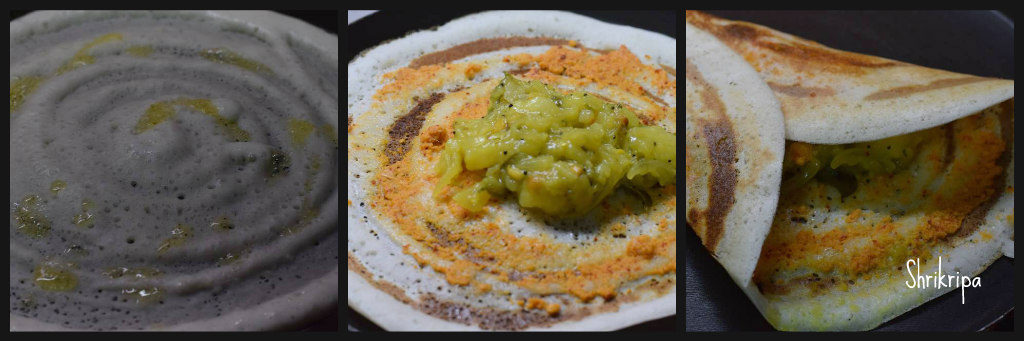
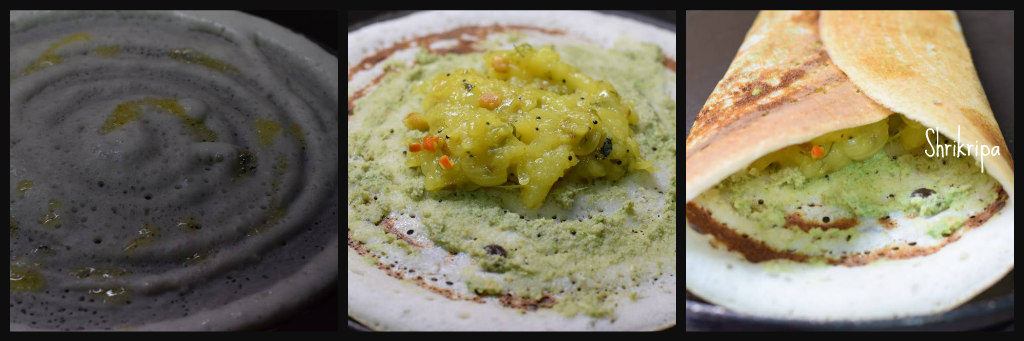
-When Dosa tawa becomes hot, pour one serving spoon of Dosa batter, move spatula in to a circular motion and spread the batter.

-sprinkle little ghee /butter/oil and cook until it is little brown in a low flame.

-when it is light brown spread Red garlic chutney or Thick green chutney at the centre of the Dosa in a circular motion and keep one serving spoon of potato filling at the centre and fold.        

-Now serve this ready Masala Dosa with White coconut chutney and Enjoy.


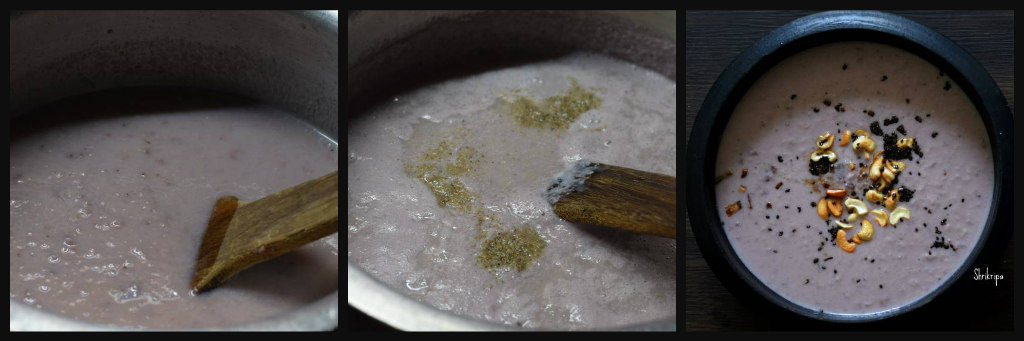
Balehannina Berati Payasa / Payasam by plantain preserve:

First, I want to wish a very very happy “Ugadi” to all my readers.  Ugadi marks the beginning of the new Hindu lunar Calendar, which is based on the change in the moon’s orbit. Ugadi is a Lunar New year for us.

On the eve of this festival I made our traditional payasam and enjoyed with my family.

“Berati” is nothing but preserved fruit pulp, which is cooked until it forms into thick mass and usually made when it is in abundance and stored for future use.

How to preserve jackfruit and Banana / Berati is already shared in my blog. 

In Coastal region we love jack and Banana in many forms. Berati Payasa (preserved Banana or Jack)  is one of them.

Now we will see traditionally how it is made:

Ingredients:

Berati / Banana preserve – 1 bowl

Coconut – 1 (To extract milk)

-OR-

Thin coconut milk – 2cups

Thick coconut milk – ½ cup

Salt – ½ tsp

Cardamom powder – ½ tsp

For Seasoning:

Ghee – 1 tbl sp

Thin Coconut slices – 2 tbl sp

Cashew pieces – 2 tbl sp

OR

Toasted black sesame – 1 table spoon

Fresh coconut slices – 1 to 2 table spoons

Method:

  • Take out Berati from your freezer and keep aside for some time to attain room temperature.

  • Slice coconut by using small knife, chop these sliced pieces into small bits.
  • Toast black sesame and keep aside.
  • Take little ghee and fry coconut bits and keep aside.
  • If you want to, you can add ghee roasted cashew bits as well.
  • Grate coconut (coconut should be fresh), put one cup of water and grind this in a mixer jar and extract milk by sieving this ground mixture. This is thick coconut milk and you should keep this separately. We use this at the end stage of Payasa making.
  • Do this procedure a couple of times to get a thin extract and lastly discard coconut fibre.
  • If you are using readymade coconut milk, please skip this step.
  • Now take one thick bottomed vessel, put Berati, thin coconut milk and dissolve Berati and keep this on a gas stove to boil.
  • Usually while making Berati, we put Sugar, so no need of additional sugar.

  • Lastly add thick extract of coconut milk and give one boil. Don’t boil it much. Add Cardamom powder and mix.       
  • Remove from fire and add fried coconut pieces, toasted black sesame or cashew brittles to prepared Payasa.
  • Serve with lunch thali or as a dessert.

NOTE:

  • Traditionally only toasted sesame and coconut bits are added.
  • Vegans can omit ghee and roast all the items, instead of frying.


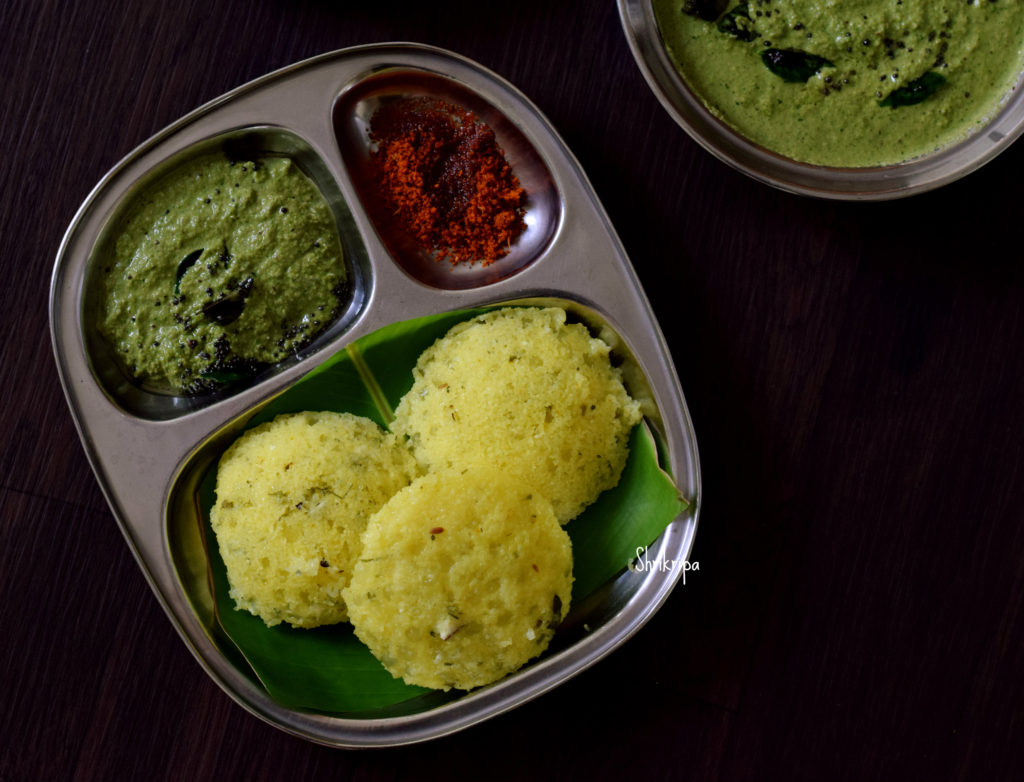
Sabudana/Sago idli:

Sago/ Sabudana is also known as Sabbakki, Javasiri in Southern part of India. Yes! It has many names and is one of the favourite staple foods during the festivals or fasting time. Sabudana is rich in complex carbohydrates due to which, it is easy to digest as well as takes longer to breakdown. Hence, you don’t feel hungry for long.

In our tradition, it has been used from ages during the summer time to maintain body heat, during the time of illness or as baby food. During all these situations, people need to take low calorie, high in energy, easily digestible meal option. Traditionally it is combined with rice while making gruel.

In India we normally make sweets as well as savouries from these edible pearls. Sago is usually confused with Tapioca pearls. Sago is extracted from the inner pith of the tropical palm trees. On the other hand, Tapioca pearls are made by using Cassava, it is a tuber.

In Summer, it is a good idea to include Sago, rice as well as curds in your diet to maintain body heat. I have included fresh homemade turmeric powder, fresh coconut, cumin as well as chopped coriander to enhance the taste as well as nutrients.

Ingredients:

Rice Rava / Idli Rava – 2 cups

Sabudana – 1 cup

Curds – 2 cups

Water – 1 cup

Cumin – 1 table spoon

Turmeric – 1 tsp

Salt

Grated coconut – 1 fist full

Chopped coriander leaves – 3 table spoons

Eno fruit salt or cooking soda – 1 tsp

Method:

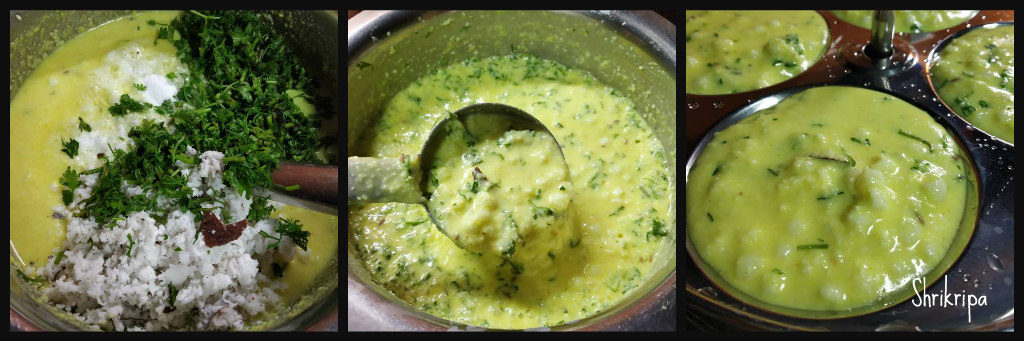
-Mix Rice Rava and Sabudana, wash twice and drain. Add curd, water, cumin, turmeric powder, salt and keep it covered overnight.

-Next morning, add coconut, Eno fruit salt, coriander. If needed, adjust the consistency of the batter by adding little extra water.

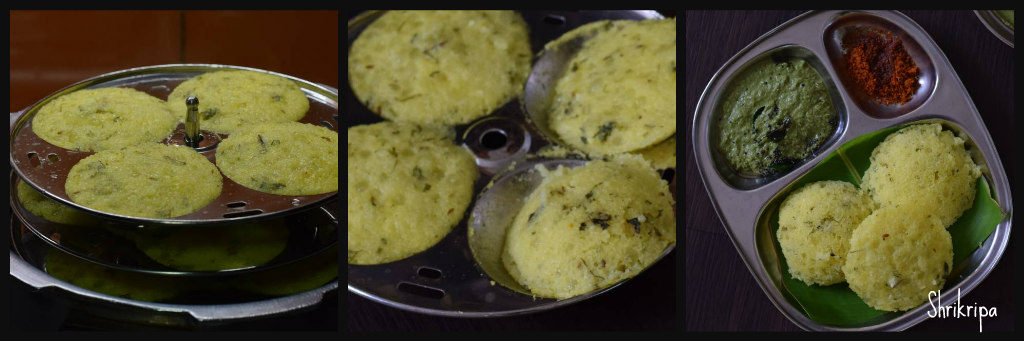
Mix well and make idlies like regular idlies in an idli steamer for about 10 minutes and serve with chutney.

NOTE: Vegans can substitute with any plant based curds to make this batter.


Nolen Gur Payesh / Rice kheer with date palm jaggery:

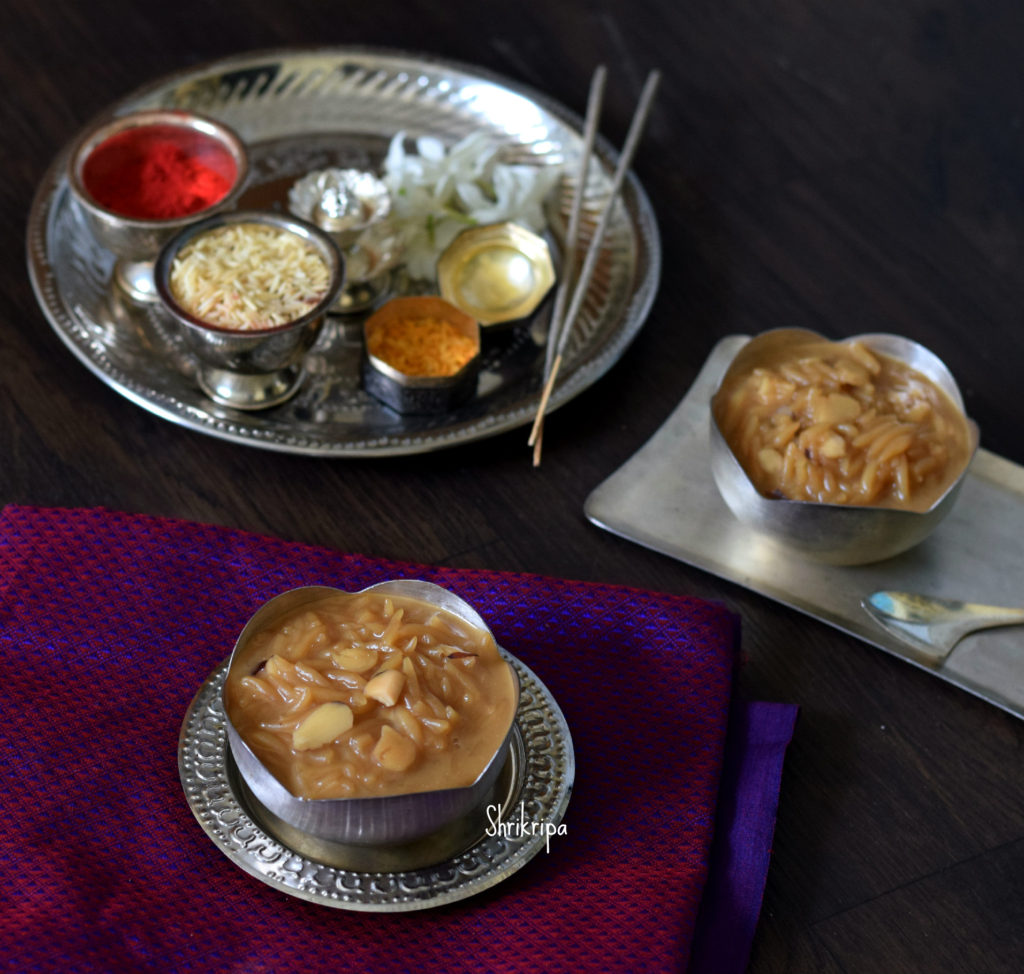
Rice kheer or Paramanna is an integral part of any festivities in many parts of India. Every region has its own method or style. Usage of ingredients would differ according to the region. Such as the addition of plain milk or coconut milk. Usage of Jaggery or sugar. So, in west Bengal, they use date palm jaggery, which is known as Nolen Gur, which is available only during the wintertime; they make a lot of delicacies by using this special jaggery. It ranges from Nolen Gur Payesh, Nolen Gur Rasgulla, Nolen Gur Sandesh are the few.  I wanted to try this out in my cooking and bought it online.

They usually use plain tiny grain rice or dried rice-shaped vermicelli, which is known as Chushi pithe. Chushi pithe is nothing but handmade Rice vermicelli. In Mangalore, we make rice noodles known as Halittu or Paradi and use them in a Payasa/ kheer, and we usually use coconut milk. So, I tried my regional method and proceeded. It tasted divine!! Usage of coconut milk and taste of the palm jaggery was the best decision, and it was very rustic and flavourful in taste.

Ingredients:

Chushi Pithe/handmade rice vermicelli – 200 grams (you can use small grain rice as well)

Almond or Cashew – ½ cup (slivered)

Nolen gur – 300 grams (used Patali gur)

Coconut milk – 200 grams

Cardamom powder – 1 tsp

Ghee – 1 tsp (vegans can skip this)

Method:

-Take one thick bottomed vessel, add ghee and fry almond and rice vermicelli (Chushi pithe) or if you are using plain rice.

-Add around one litre of water and cook until rice cooks perfectly. Whenever it’s needed, add extra water little by little and cook.

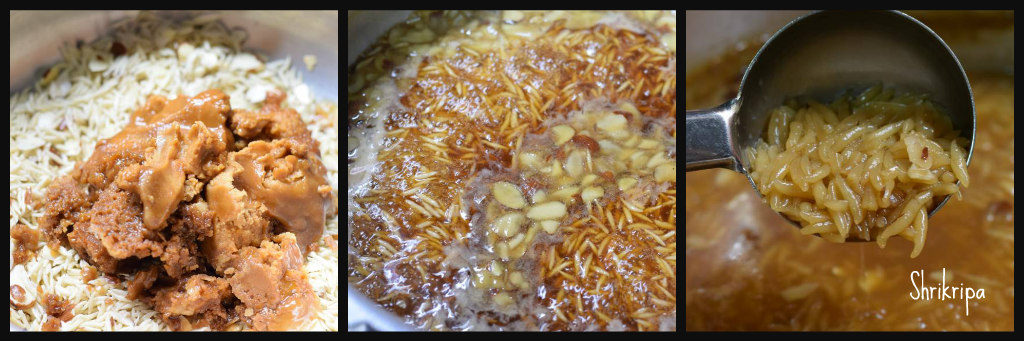
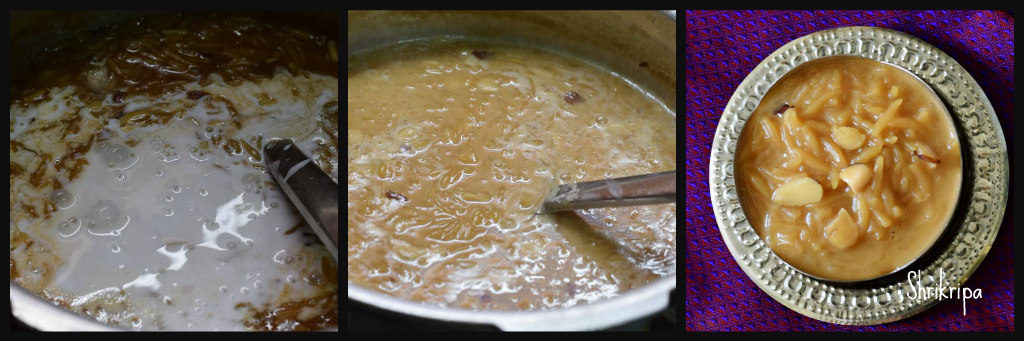
-Now, add jaggery of your choice, boil until it smells divine and the aroma spreads. Here, the raw smell of the jaggery should vanish.

-Lastly, add one tetra pack of coconut milk, give one boil. Garnish with cardamom powder and mix.

NOTE:

-If you are using fresh homemade coconut milk, extract three times, preserve thick (1st extract) and add at the end.

-thin coconut milk of 2nd and 3rd extracts can be added while boiling or cooking rice vermicelli.


Mixed vegetable with spinach:

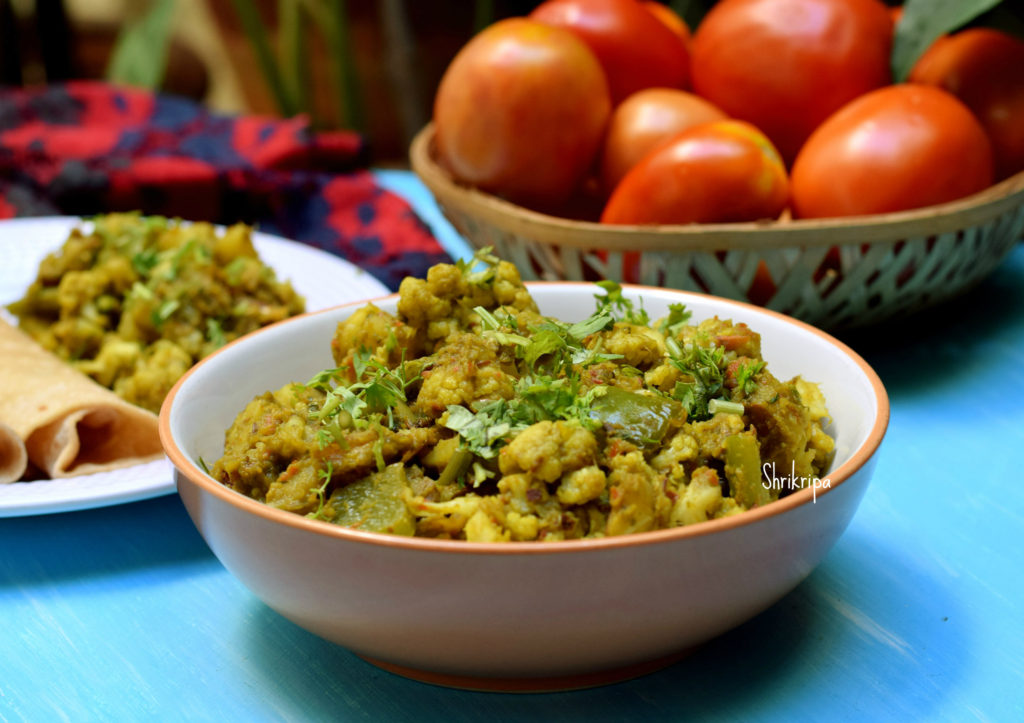
Sweet potato is a versatile veggie and it blends very well with any veggies. Made this side dish to use my little harvest of spinach and Sweet potato by mixing with seasonal favorite cauliflower to make it attractive. 😉 . It is a perfect healthy side dish for Roti’s.

How I do-

Ingredients:

Spinach – one bundle.

Cauliflower florets: one bowl (cleaned, washed)

Sweet potato – one bowl (washed and chopped)

Capsicum -1

Tomato – 2 to 3

Green chillies -2

Ginger – 1”

Oil – 2 tbl sp

Hing – ¼ tsp

Cumin – ½ tsp

turmeric – ½ tsp

Coriander powder – 1 tsp

Salt 

Black pepper – 6, cloves -3, cinnamon – ½ “, cardamom -2

Method:

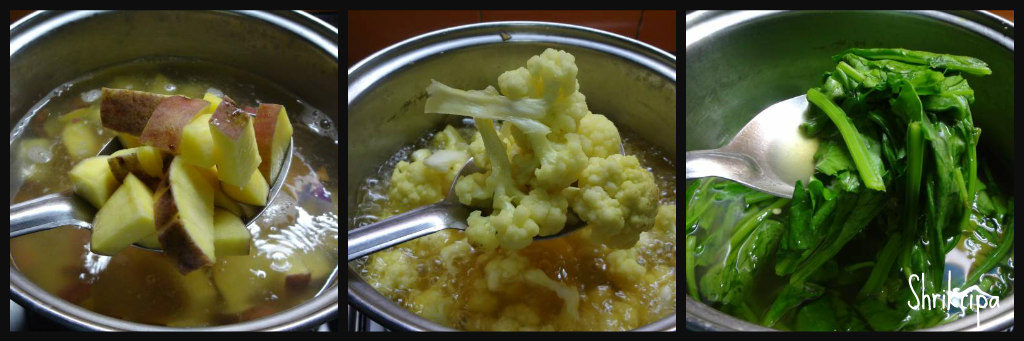
-Take one bowl of water, add salt, cook sweet potato and drain, keep aside.

-by using this same water blanch cauliflower florets, drain and keep aside.

-Now add chopped spinach to this water, add a pinch of sugar to retain green color and blanch. When it is cool, blend this and keep aside.

– Now make coarse powder of black pepper, clove, cinnamon and cardamom.

-Make a paste of tomato, green chilli and ginger.

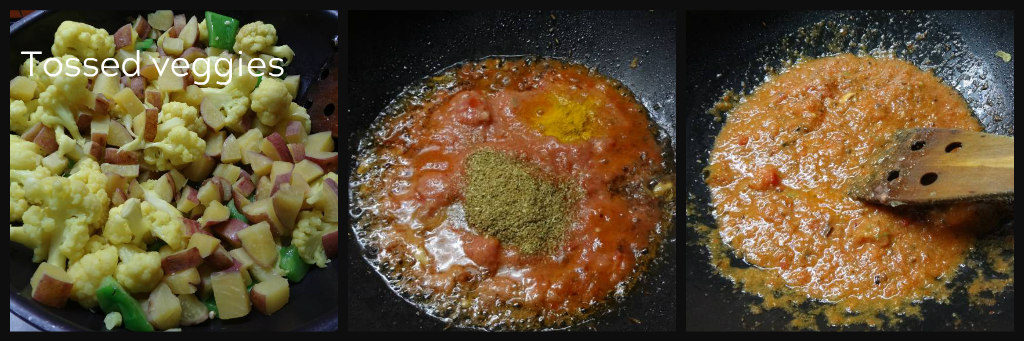
-Take one pan add 2 tsp of oil, when it is hot, add capsicum fry a little. Then add blanched cauliflower and sweet potato, toss and keep aside.

-In another tawa add oil, hing, jeera, powdered spices, tomato paste, turmeric, coriander powder, fry till oil leaves from the sides.

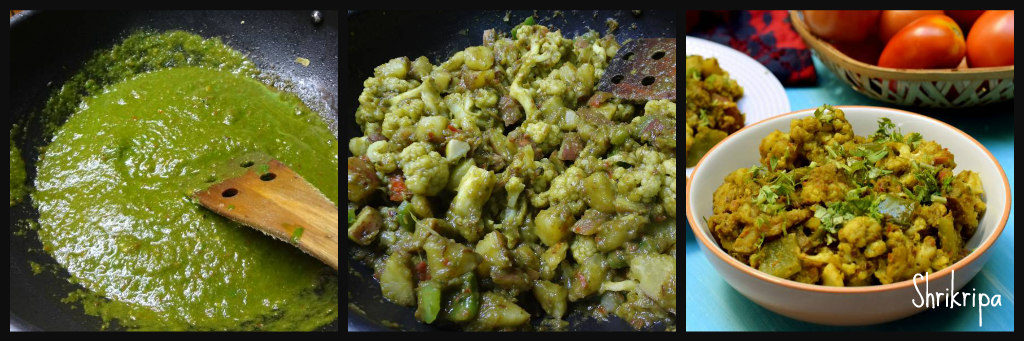
-Put spinach paste, check for salt and add tossed veggies. Mix till all the veggies are coated with masala and garnish with chopped coriander leaves.

-Enjoy with any kind of Indian flat breads or roti’s.


Malabar spinach and Raw papaya curry:

Malabar spinach is commonly known as Basale in our coastal area. It is a common creeping vein in the backyard of every household.

Its leaf is very rich in iron, fibre, antioxidants and vitamins and low in calorie. Malabar spinach is a go getter veggie at any given point of time. You can harvest, as soon as the main stem is growing and spreads all over. Snip the leaves and use the stems as well.

On the other hand, raw papaya is also a power house of nutrients and it is a natural cleanser of intestine and colon.

Like Malabar spinach, Papaya tree also plays an integral part in our garden. May be because of the easy availability, we have a couple of traditional dishes with Raw papaya and one curry is this. Our elders had so much knowledge to include all the goodness in their cooking. One such recipe is Raw papaya and Malabar spinach with a freshly ground coconut masala. It can be relished with Boiled rice or white rice. It is an overall package of health benefits from both the veggies.

Ingredients:

Malabar spinach – one small bundle

Raw papaya – 1 small

Onion – 1

Salt

Jaggery (optional)

Red chilli powder – 1 tsp

Toor dal – ½ cup

For Masala paste:

Coriander – 1-2 tablespoon

Cumin – 1 tsp

Methi – ½ tsp

Dried red chillies – 5 to 6

Tamarind – 1 tsp

Coconut – 1 to 1 ½ cup

Seasoning:

Coconut oil – 1 tablespoon

Mustard – 1 tsp

Red chilli – 1

Small onion – 1

Curry leaves – 1 spring

Method:

-Wash Malabar spinach leaves, chop them and keep them aside. Cut it into 2 to 3-inch pieces if you are using its stem.

-Chop Raw papaya by removing the outer skin and the inner seeds. Dump in a water bowl to remove all the oozed latex and drain.

-Wash Toor dal; if you have chopped Malabar spinach stem, combine it and cook with dal by adding turmeric and salt.

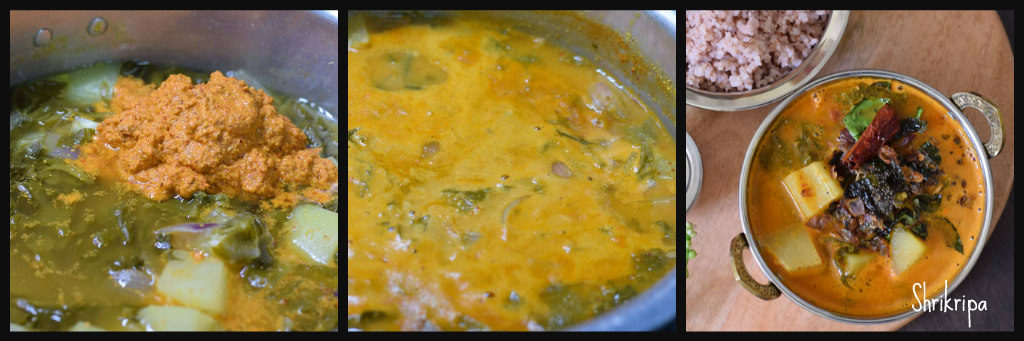
-When toor dal is ready, remove the lid, add a little water, salt, jaggery, red chilli powder, Papaya pieces, and chopped leaves. Cook for one whistle.

-Now prepare masala by roasting methi, coriander, cumin and red chillies in a little oil. Grind into a paste by adding coconut, tamarind and water.

-Add the ground paste to cooked veggies, adjust everything, boil and add seasoning.

-To season, heat oil, splutter mustard, red chilli, curry leaves and chopped onion. When the onion becomes brown, add it to the curry.

-Serve with Hot rice.

Homemade Vegetarian Thai Green curry paste /Curry:

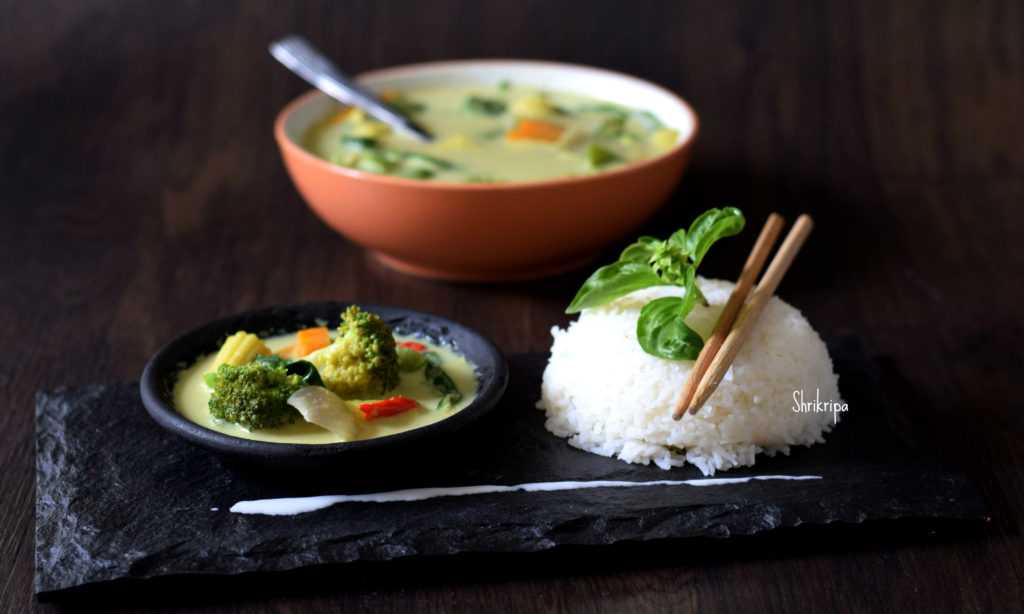
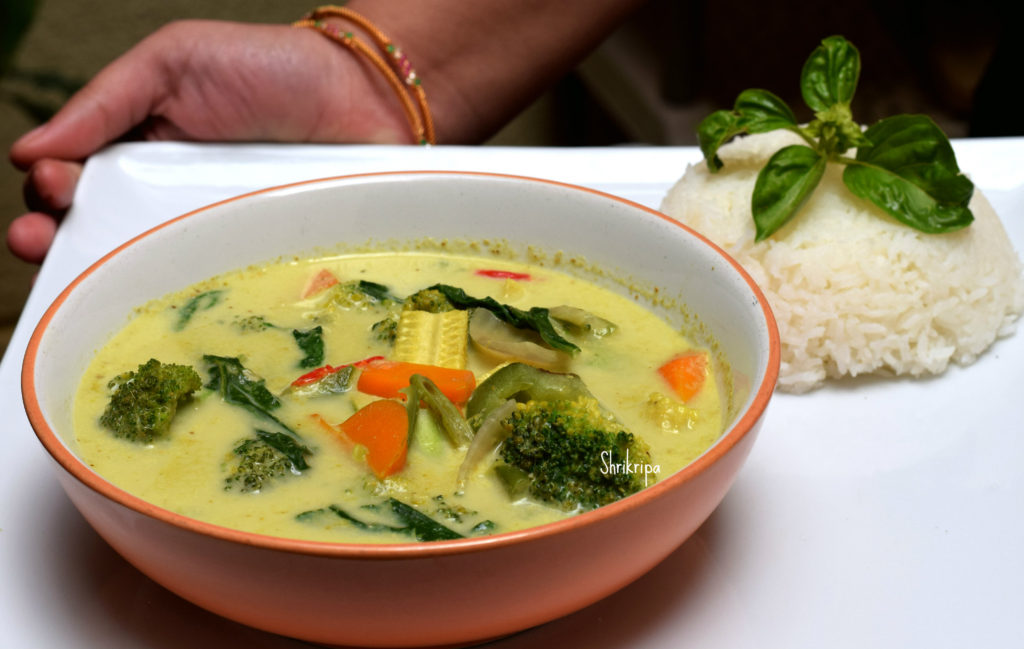
Being a coconut eater, born and brought up in Coastal Karnataka, we like Thai food over any other cuisine. Thai green curry is our favourite and when it is with homemade fresh paste, nothing like it.

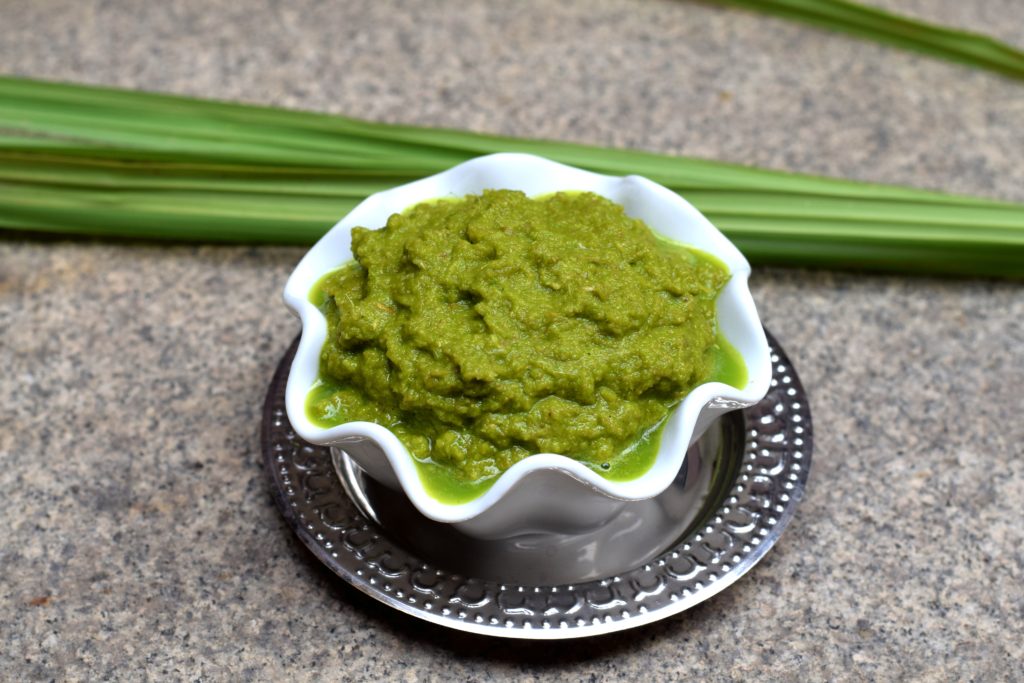
Homemade curry paste is very simple to make and loaded with rich flavour as well as delicious. It is the perfect menu for weekend family lunch.

      Pic credit: My daughter

Three main ingredients which are very important is lemon grass, galangal (Thai ginger), Thai sweet basil and tender lemon leaves.

Instead of lemon leaves one should be able to use grated lemon rind (only outer layer) as well.

First, we will see the procedure for Fresh Green curry paste:

Ingredients:

Coriander seeds – 1 table spoon

Cumin seeds – 1 tea spoon

Turmeric – ½ tea spoon

Ginger – ½ inch

Garlic – 6 cloves

Galangal – ¾ to 1 inch (Thai Ginger)

Coriander leaves – 4 sticks

Onion – 1 small size

Green chillies – 8-10

Lemon grass bulb – 2

Pink salt – 1sp

Tender Lemon leaves – 3

Method:

-Slice ginger, galangal, onion, green chillies. Mine was home grown heirloom variety, which is less spicy. If your chilli is spicier, please remove inner seeds.

-Remove outer stiff cover from the lemon grass bulb. Then slice it and keep it ready.

-Put everything in the mixer jar and make a paste by adding very minimal water. Store this paste in an air tight bottle. This portion suffice for twice.

How to make Curry:

Ingredient:

Vegetables – Choice of yours

I have used Broccoli, baby corn, capsicum, carrot, beans and baby spinach.

Green curry paste – 2 table spoons

Salt

Sugar – 1 tsp

Corn flour – 1 tsp

Coconut milk – 1 tetra pack

Oil – 2 table spoons

Onion – 1

Basil leaves – 8

Red bird eye chillies – 2 (optional)

Method:

-Chop veggies, dice onions and separate each layer and keep aside.

-Heat oil, add onion and fry for 2 min. Add chopped veggies and fry for a while.

-Add green curry paste, salt, sugar and fry until raw smell vanishes.

-Add water,corn flour and boil, until veggies are half cooked. Add Coconut milk and give only one boil.

-Garnish with basil and red tiny chillies and serve with small grain rice.


Dum Aloo:

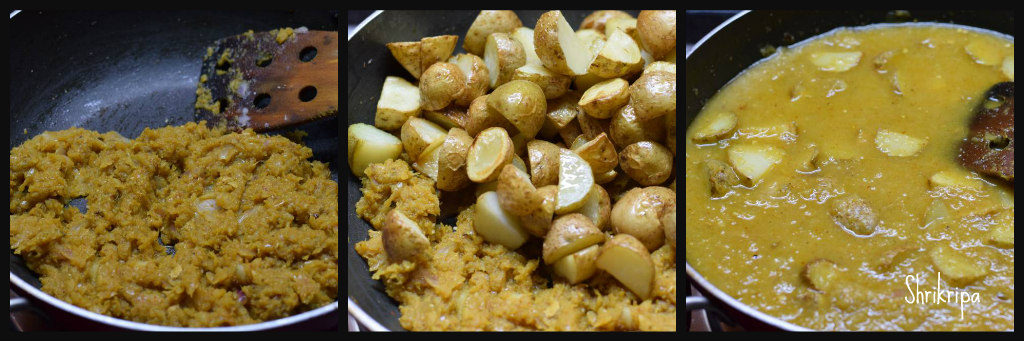
Dum Aloo is originally from Kashmir. Normally baby potatoes are deep fried and dunked in a mild and flavorful gravy. Here I have made it without deep frying as well as without peeling the outer skin. I normally avoid removing outer skin of potatoes due to its nutritional value as well as the taste.

In dum aloo, curd is the main ingredient, which is used as a souring agent with the additional Indian spices. Dum aloo tastes very good with any Indian flat breads or with mild Pulav.

Ingredient:

Baby potatoes – 15

Onions – 3 medium size

Green chillies – 2

Ginger – 1 tsp (freshly chopped)

Oil – 3 to 4 table spoons

Fennel seeds – ½ tsp

Turmeric – ½ tsp

Red chilli powder – 1tsp

Garam masala – 1 tsp

Salt

Coriander powder – 1 tsp

Coriander leaves – 3 to 4 table spoons

Hung Curd – ¼ cup

Cashew chunks – 2 table spoons

Hot milk – ¼ cup

Kishmish / Dried grapes – 2 table spoons

Method:

-Soak cashews in Hot milk and keep aside.

-Wash potatoes, make half or quarter pieces according to its size.

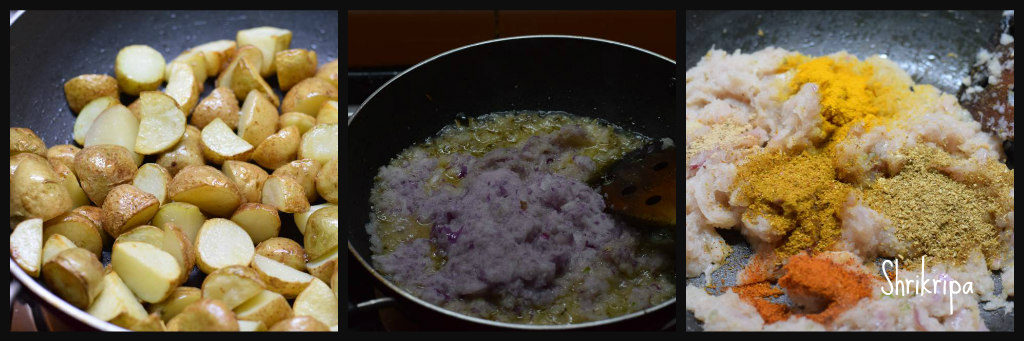
-Heat 1 table spoon of oil and roast potato pieces a little and keep aside.

-Take one mixer jar, dry churn onions, ginger and green chillies.

-Heat oil in a kadai, add fennel seeds, roughly churned onion – ginger- chilli.

-Fry until it is light brown, add all the powders, salt and fry for a while and add roasted potatoes, cup of water and cook in a low flame.

-When potato is done, it is a time to switch off the gas. Never add curd while boiling the mixture, it curdles immediately.

-Now mix in curd, chopped coriander and mix everything, adjust the consistency by adding water and boil this mixture by switching on the gas.

-When gravy is ready, you would see a shiny layer at the surface. Switch off the gas.

-Now make a paste of cashew and milk and garnish the curry with cashew paste and dry grapes and serve with Roti or Pulav.


Tiffin Sambar:

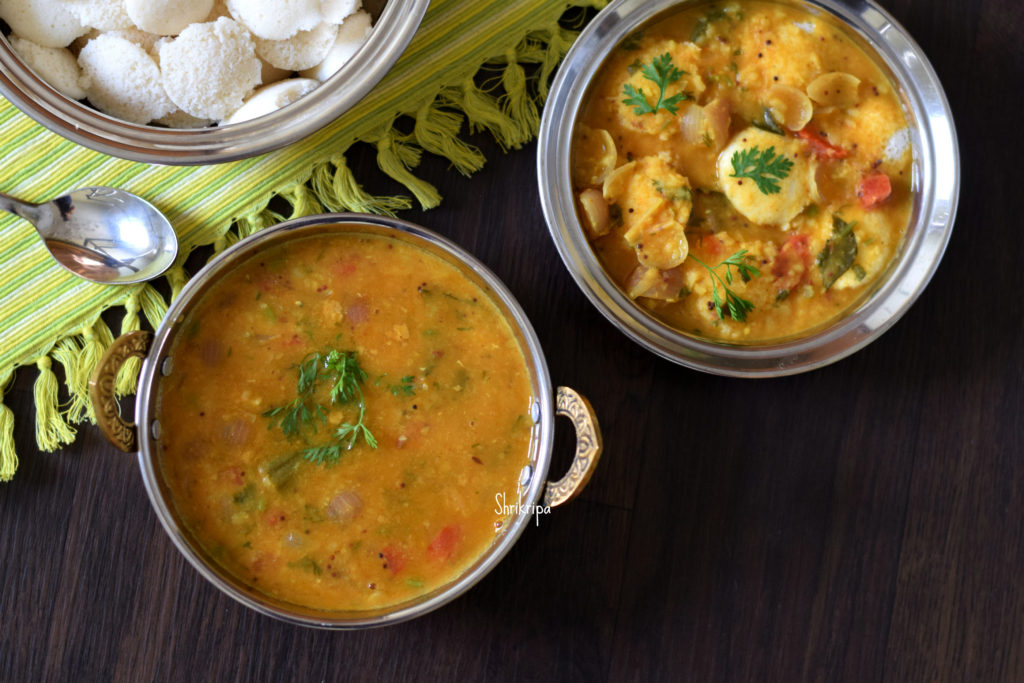
Tiffin usually depicts south Indian breakfast. Normally Idli, Dosa, Pongal. This particular sambar is very good combination with Idlies or dosas as well as goes very well with mini idlies which normally known or served as 14 idlies, mini idlies or button idlies at restaurants.

In this sambar, we don’t use any coconut and basically a seasoned mixed dhal with sambar powder as well as baby onions, tomatoes and with or without drumstick pieces.

Ingredients:

Toor dal – 1 cup

Moong dal – ½ cup

Green chillies – 2 (slit)

Baby onions /shallots – 20 (halved)

Tomato – 1 (chopped)

Drum stick – 1 (Cut into 2” pieces) (optional)

Tamarind – 1 tsp

Salt

Jaggery – 1 tsp

Turmeric – 1 tsp

Sambar powder – As needed

Chopped coriander leaves – 2 table spoons

Seasoning:

Oil – 2 table spoons

Mustard – 1 tsp

Cumin – 1 tsp

Hing – ½ tsp

Curry leaves – 1 string

Method:

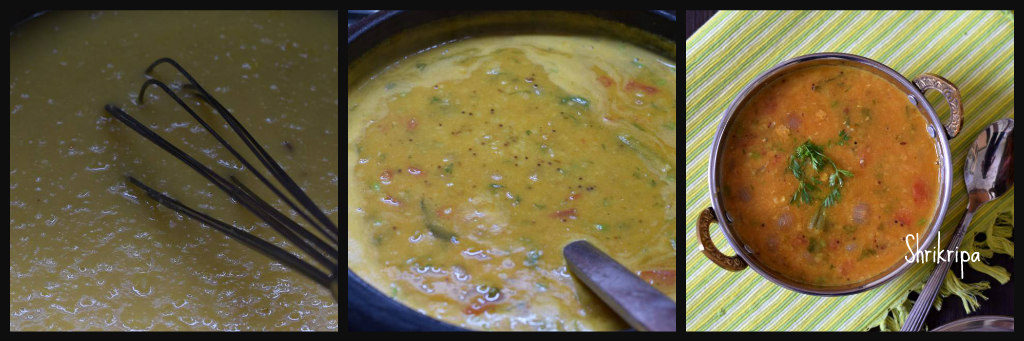
-Wash and cook toor and moong dal in a pressure cooker. Mash and keep aside.

-Take one tawa, do seasoning. Heat Oil, splutter mustard, cumin, hing and curry leaves.

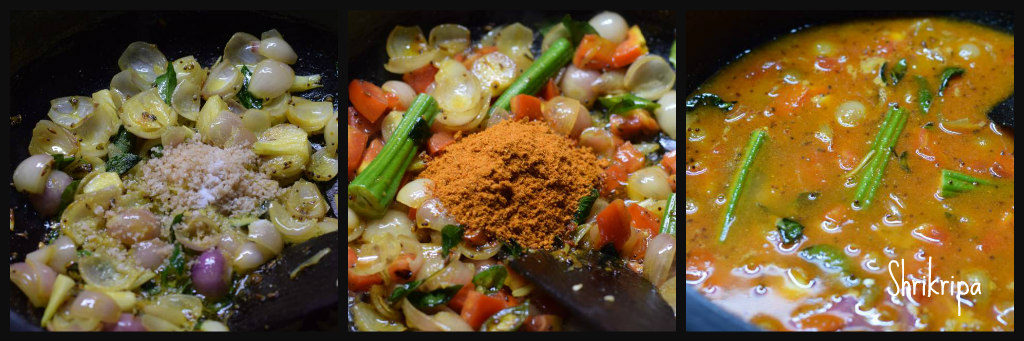
-Fry onion until it is transparent. Add turmeric, green chillies, tomato and drumstick pieces as well as salt and fry until tomato cooks.

-Add Sambar powder toss for 2 minutes and pour tamarind water, jaggery and boil.

-Add Cooked dal and adjust the consistency and boil nicely.

-Garnish with chopped coriander and serve as a side dish for any south Indian breakfast items.

-If you are serving with Button idlies/ mini idlies Pour one to two serving spoons of sambar, place 14 idlies and once again pour some sambar over those idlies and serve.


Surnoli: (Bread dosa/ Buttermilk dosa)

Surnoli is a traditional breakfast recipe of south canara; it is also called as bread dosa or buttermilk dosa. This is usually prepared if you have left over buttermilk or curds in excess. Usually we make this by adding jaggery.

Here I am giving both sweet and normal dosa version.

Ingredients:

Dosa rice – 3 cups

Fenugreek seeds – 2 tsp.

Beaten rice /poha – 1 ½ cup

Salt – to taste

Buttermilk /curd – 2 cups

Grated coconut – from half coconut or 2 fists full.

Eno fruit salt – 1 tsp. each (for sweet/normal version)

Grated jaggery – according to taste (2 to 3tbl sp) (For sweeter version)

Turmeric powder – 1 tsp. (for sweeter version)

Method:

  • Wash dosa rice, fenugreek and beaten rice twice; discard water. Pour curds and soak this for 3 to 4 hours.
  • Grind this in to a smooth paste by adding coconut and salt to an idly batter consistency (little thicker than normal dosa)
  • If butter milk is very sour add milk while grinding or else you can add water too (if batter is too thick)
  • Now divide this batter into two, take out one portion of batter into a steel vessel in which you keep it for fermenting. This is our normal dosa batter.
  • For sweeter version, add turmeric and jaggery to the mixer jar and grind until it is homogenous.
  • Remove this batter to another vessel and keep it for fermentation.
  • Next day morning add 1 tsp. Eno fruit salt to both the batter and leave it aside for 10 min.

  • Make a dosa by pouring one serving spoon of the batter on hot iron griddle, don’t spread.
  • You will see thousands of holes on upper surface, smear with butter(Vegan’s can avoid) and cook this in a low flame by closing it with a lid.
  • Cook this dosa only on one side and don’t flip.

    -Spongy bread dosa is ready to serve and indulge in it with homemade butter or any chutney. Here I have served this with Onion-coconut chutney.