Pomegranate Peel Tambli:

Like coconut tree and banana plant , pomegranate is also an extremely useful plant to mankind. Starting from its bark, young leaves , fruits, and its outer peel have many medicinal properties.

In olden days, people never used to buy a fruit from outside. In our villages, people used to eat home grown seasonal fruits , which included wildly grown many berries, guava, chikoo, mango , bell fruits etc. Banana bunch used to be hanged at one corner of the house and it was the only fruit which was available  365 days. Pomegranate was rare, if any person is ill or recuperating after surgery etc  then only, it used to enter our houses. So, lady of the house used to treat that not less than the gold 😉 . She used to make it a point to clean the peel by removing all those white covers, break it into 4 to 6 pieces, carefully sun drying and used to store it near “chulha” / we call it as a “ole katte” ( it is basically a olden day’s cooking platform, which used wood as fuel). Throwing out the peel was not heard of and it had an enormous importance in every family in our region.

According to my co sister, who is an ayurvedic doctor, Ayurveda holds Pomegranate fruit in higher regards because of its antioxidant, pro biotic nature. Due to its anti-bacterial and anti-microbial quality, it helps to bind the stools and helps to control the diarrhoea. She says, Astringent- bitter taste of the peel is the reason behind its anti-diarrhoea quality. Hence, it can be used to cure diarrhoea and not in constipation. Pomegranate peel powder is good for oily skin. If powder is mixed with rose water and applied as a face pack , it reduces acne and brings glow to oily face.

In traditional home remedies When fruit has been used to treat Anaemia , peel has been used to treat dysentery/ diarrhoea (even with blood) . We normally prepare Kashaya by boiling couple of pieces of dried peel in a cup of water, reduced to half and consumed either plain or by adding little jaggery. Otherwise, every now and then, prepare Tambli and consume to maintain our gut health .

Tambli is preferred to total wellbeing of our gut because , it is more palatable than the Kashaya, as well as it consists  curd ,which again is a pro-biotic. Hence, if we include pomegranate peel in our regular diet every now and then, it helps in intestinal detoxifying and cleansing. In return it would helps to improve digestion.

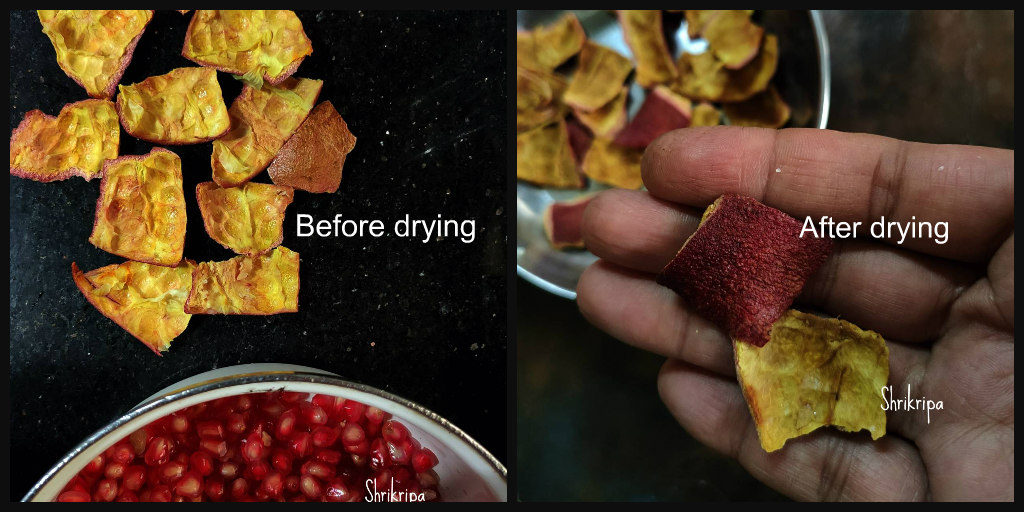
Now we would see how to dry those fruit peels at first: It is quite simple. Remove all the white sheath beneath the fruit kernels, dry under the sun or keep it near the windowsill . When it is crisp ,breaks while folding, that is it. Store it in an airtight jar or zip lock. Use whenever it is needed.
Tambli preparation:

Ingredients:

Dried Pomegranate peel – 2 pieces

Black whole pepper – 6 to 8

Cumin – ½ – ¾ tsp

Fresh grated Coconut – 1 fistful

Curd – 1 to 1 ½  small serving spoon

Salt

Ghee

Method:

-Fry pepper, cumin, broken pieces of the peel until it is  crispy.

-Grind these into fine paste by adding coconut ,salt and sufficient water.

-Add curd, adjust the consistency by adding water.

-If needed season with ghee, cumin and curry leaves and serve with rice or drink as it is.

NOTE:

1) For vegan version, instead of ghee or clarified butter one can use coconut oil .

2)You can use whole black pepper corns or white pepper corns.


Salted jackfruit Vada / Sole vade:

Sole , uppad pachir , uppinalli hakida halasinakai , these are all different names of salted / brined jackfruit. Which is basically a firm fully grown, matured but un-ripened jackfruit which is preserved in salt water. We usually relish this in the rainy season or in the off season by preparing some of our traditional dishes.

Salting the jackfruit, side by side preparing the chips is part of our childhood memories – sort of a preparation for rainy season. Which used to be a family affair and real fun altogether. Now a days, if I need to do something, either ask mom or buy it locally from Mangalore stores . Last weekend got a fistful of brined jack from my sister in law and made this age old / my grand mom’s recipe. Which I used to relish during my childhood. Just before the process of putting the fresh ones, there used to be a process of cleaning and sterilising the porcelain jars or Barani.  Which used to include, the process of emptying last year’s stock as well 😀 . So, all these delicacies used to be a result of such operations 😉 . You can call this as Salted jackfruit Vada or thattai or Nippattu. We hardly need any preparation for this delicacy. Curry leaves is the main flavour over here.

Ingredients:

Salted / brined jack – around 2 fistfuls

Rice flour – around ½ cup

Cumin – 1 to 2 tsp

Chopped green chillies – 2

Chopped curry leaves – around ½ cup

If needed – little salt.

Oil – to deep fry

Method:

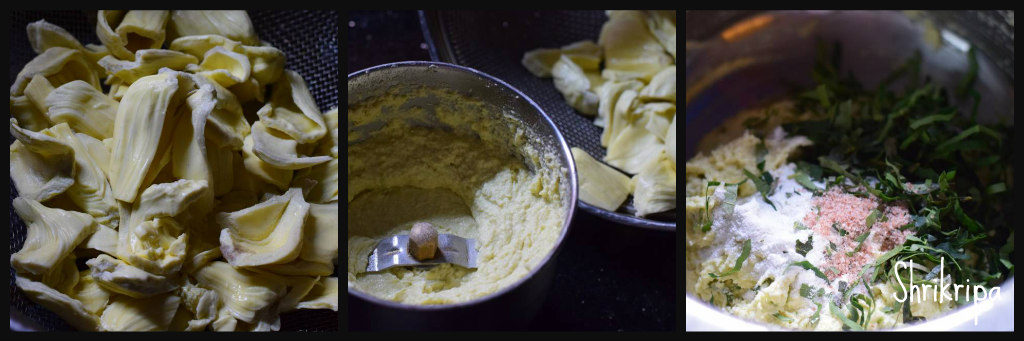
-Soak salted jack in a big bowl of water. Wash couple of times to remove excess salt.

-If salt is excess, sometimes it needs little extra soaking time in fresh water.

-Squeeze and as much as possible, drain the water and grind jackfruit pieces in a mixer jar.

-After grinding into smooth paste, add cumin, chopped green chillies, curry leaves, and mix it nicely.

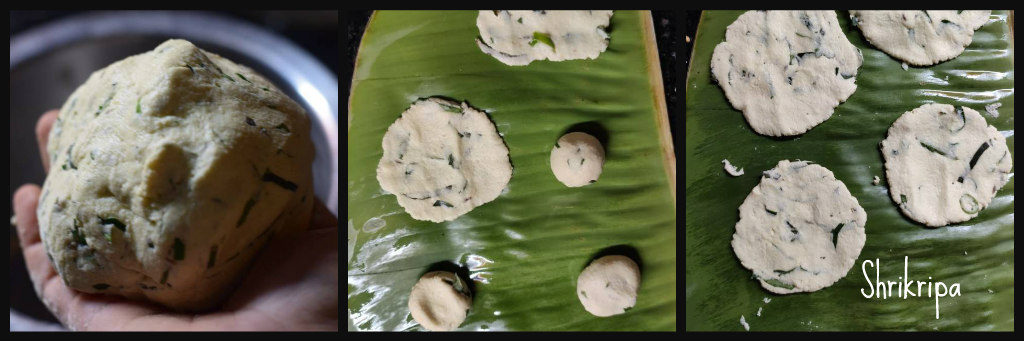
-Now, take required amount of rice flour and make a pliable dough.

-Check for the salt, if needed add and adjust.

-Take one small piece of banana leaf or  butter paper. Pat small Vada.

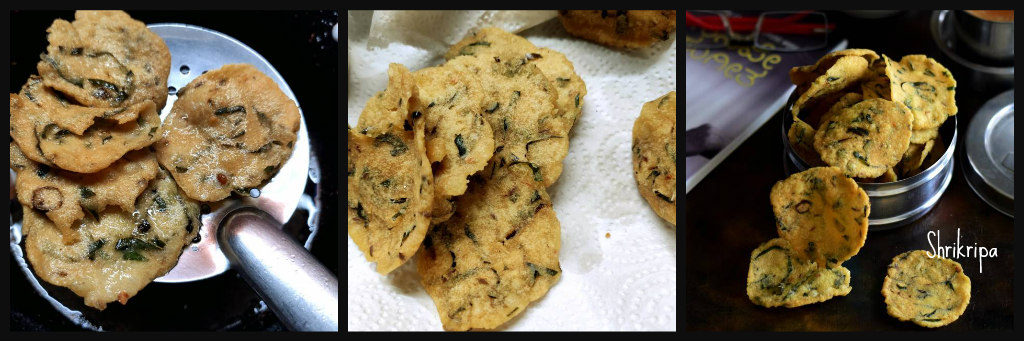
-Heat oil and deep fry like any other deep-fried savouries. Enjoy with your evening tea or coffee.


Chibud Harshale/ Mash melon Rasayana:

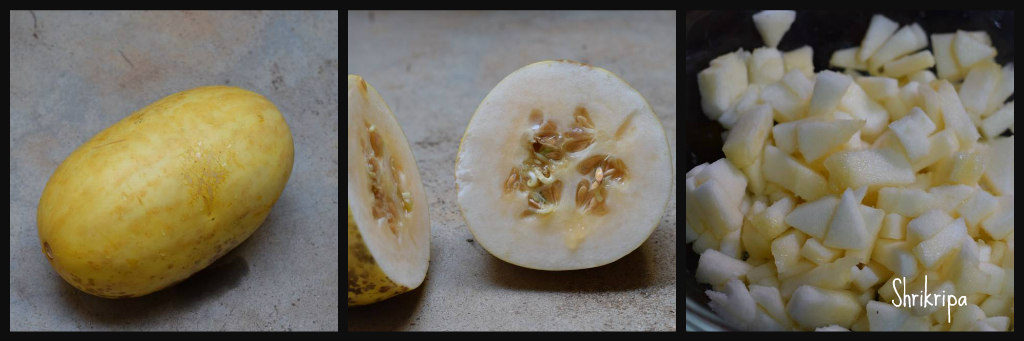
Chibud is a variety of Melon which is oblong and larger in size, normally found in various parts of India. Known by many names like chibbada, Chiber, Mash melon, Cucumis melo.

It belongs to the melon family; outer skin is like coloured cucumber and taste is bland and fleshy. Normally used in a raw uncooked form by making juice, lassi, salad or coconut milk or plain milk laden Rasayana as well as Poha added Rasayana. which is a snack by itself and considered as a Vrat/ fasting Food.

Just few days back, when I was returning from Karkal, found this fruit after a long time and picked up and relished with family by making Poha added Chilled Rasayana in this summer Heat.

If you want to try this recipe, you can use over ripe musk melons or Banana and proceed.

Ingredients:

Chibud melon – 1

Grated jaggery – as required

Coconut milk / plain milk – 1 to 2 cups

Cardamom powder – 1 tsp

Poha – little

Method:

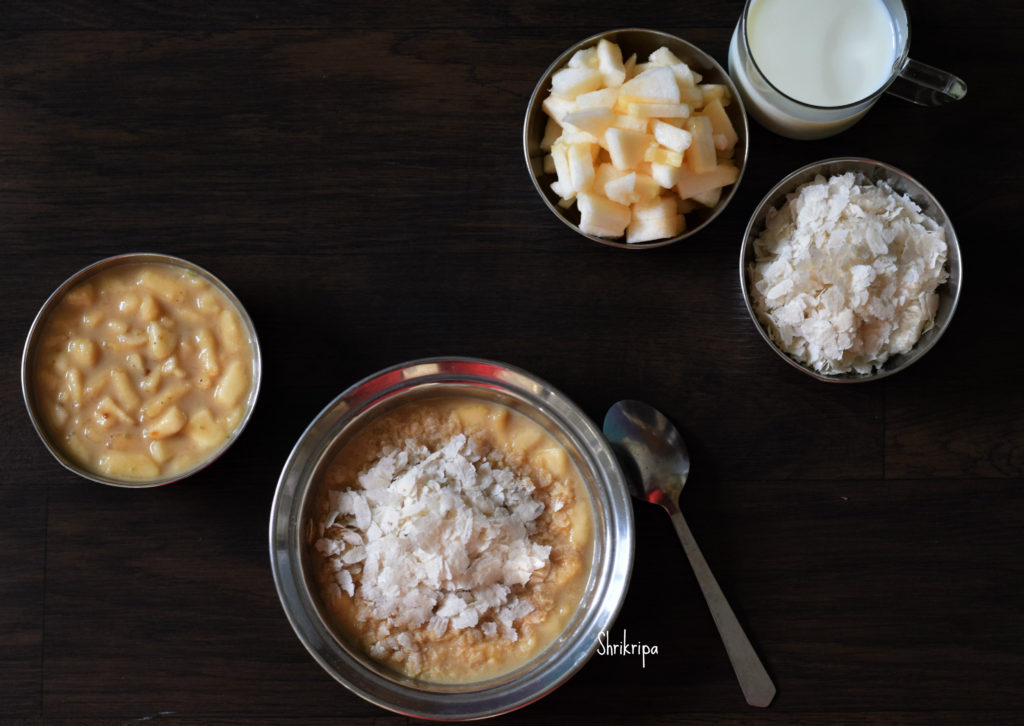
-Chop Chibud melon into small chunks by removing outer skin as well as centre core.

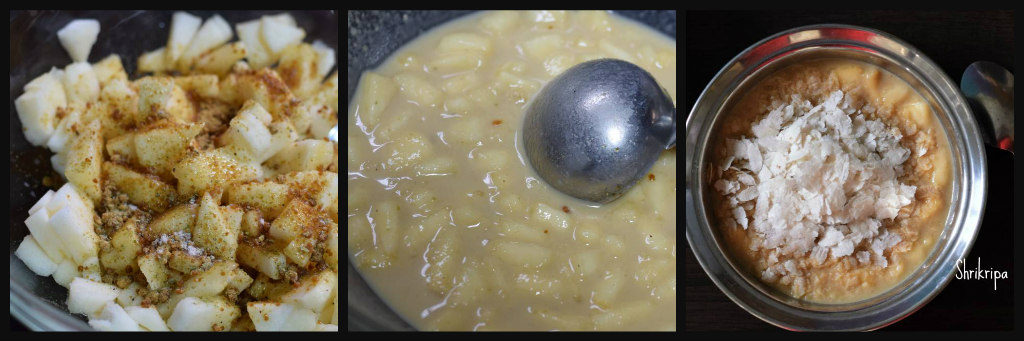
-Mix in jaggery powder, cardamom powder and mix nicely.

-After mixing jaggery, it melts a little. If you are serving it chilled, refrigerate it.

-While serving, mix in coconut milk or plain milk according to your choice.

-Add little poha and serve as a cool snack.

Instant Raw Banana Dosa:

Raw banana has been used as a baby food from ages. It contains various essential vitamins, minerals and dietary fibre as well as small amount of protein. It is very good for digestive health and people with diabetes. In our native, raw banana is an integral part of our cooking. It starts from baby food/ banana flour porridge, side dishes, curry as well as instant dosa like this. You might be wondering, how come? Raw banana usage? Indeed, there is a reason behind extensive usage. Our elders are all from agricultural background. They all were into Areca nut farming. In between Areca nut plants, there will be Banana, pepper, Cocoa and many more side crops.

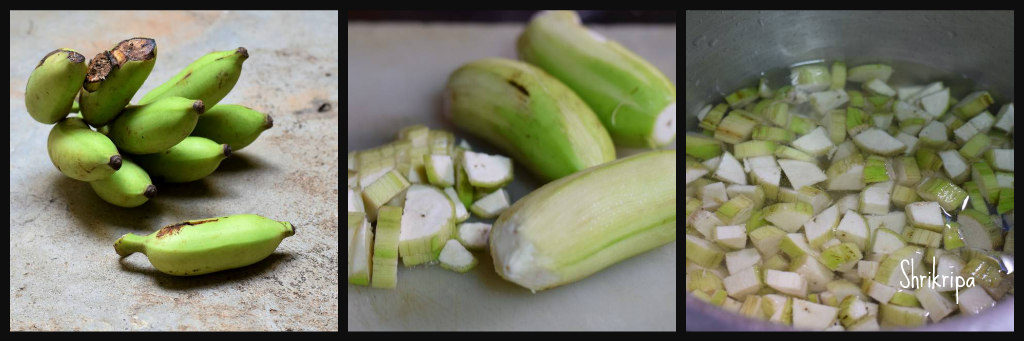
Usually we use small variety banana for this dosa and not a big banana variety. This recipe which I learnt it from one of my Atthey and trust me, it is very tasty. It is quick, instant, vegan, gluten free and what not?

Let us see, how I make it –

Ingredients:

Raw small variety bananas – 9 – 10

Salt

Soaked rice or rice flour – 1 tablespoon.

Method:

-Wash, peel outer fibre or main skin of the banana and chop into bite size.

-Immerse in water and keep aside.

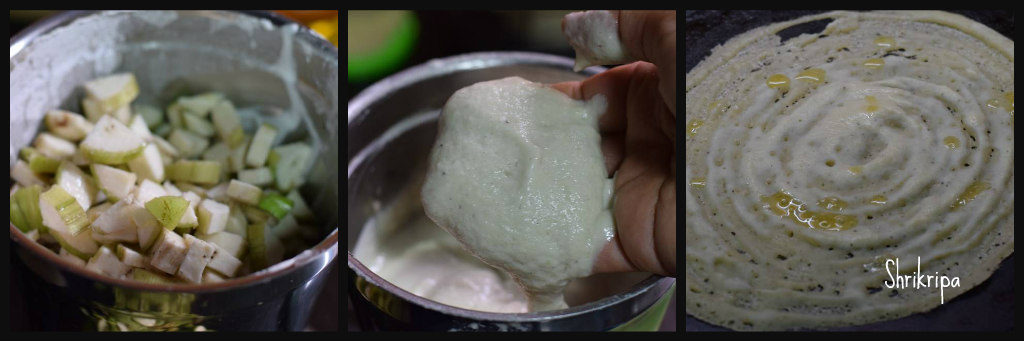
-If you are using soaked rice, make a paste at first, add drained banana pieces, salt and grind into smooth paste by adding sufficient water.

-Batter should not be very thin and watery. It should be like idli batter consistency.

-heat iron griddle. When it is hot, spread thin dosas, cook both the sides by pouring little ghee or oil.

-Serve with chutney or sambar.

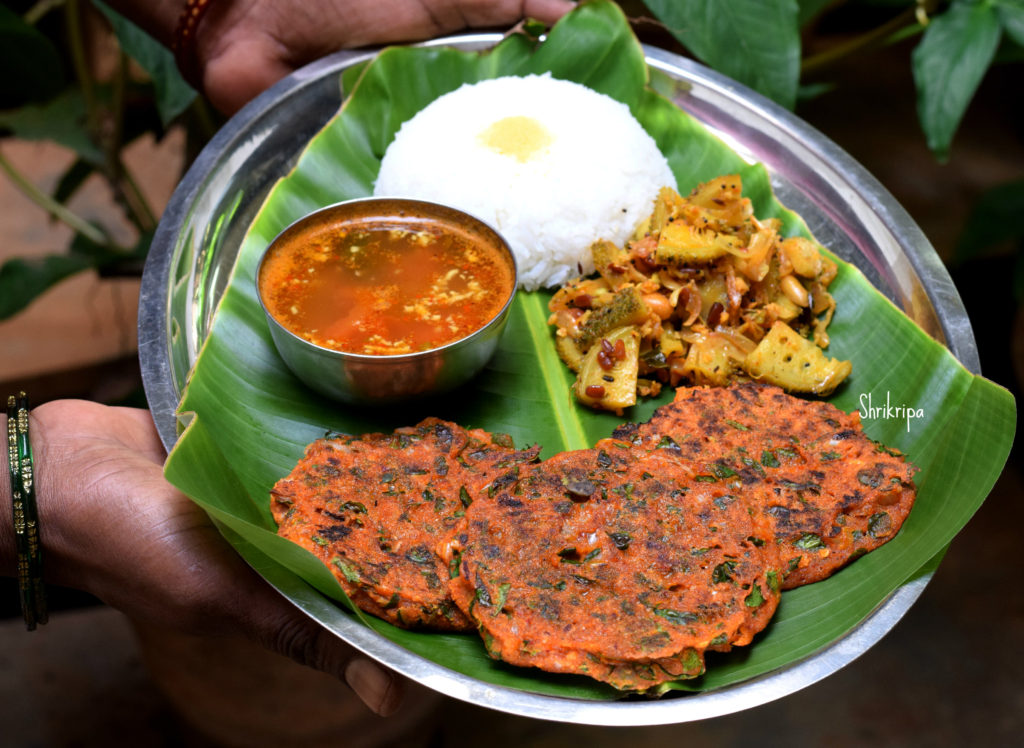
Nugge soppina Khara dosey/Moringa leaves mini dosa :

Mini dosas are traditionally known as “Sanna Polo” which is the tastiest side dish of Konkani community of our region. Basically, it is a red chilli and hing flavoured rice batter, with added goodness of any greens or chopped cabbage and chopped onion.

Here I have used chopped Moringa/ nugge soppu/ drumstick leaves which is a powerhouse of nutrients. Back in 2016  I had tried a bunch of moringa recipes to publish in Vijaya next kannada daily. Already I have shared Moringa powder and  Chutney recipe with you all and now we will see how to do a mini dosa.

Ingredients:

Dosa rice – 1 ½ cup

Byadagi chilli – 6 to 8 ( roasted)

Tamarind – 1 tbsp

Coconut – 1 cup

Jaggery – 1tsp

Salt – to taste

Turmeric – ½ tsp

Hing – peanut size

Moringa leaves – 1 bowl

Onion – 1 (big)

Method:

-Soak dosa rice for 2 to 3 hours after washing.

-Make a paste of chilli ,coconut, tamarind, salt, jaggery, turmeric, hing. Now add soaked rice and grind into small rava consistency.

-Add chopped onion and moringa leaves. Adjust the consistency by adding extra water.

-Batter consistency should be like idli batter. Start making dosas by heating iron dosa griddle.

-Pour little batter, don’t spread. Keep gas flame in simmer, spread coconut oil ,close the lid and cook.

-When one side is cooked, flip and roast another side. Serve as a side dish with Rasam rice, dhal rice.

Note:

-To get an authentic taste, use a coconut oil.

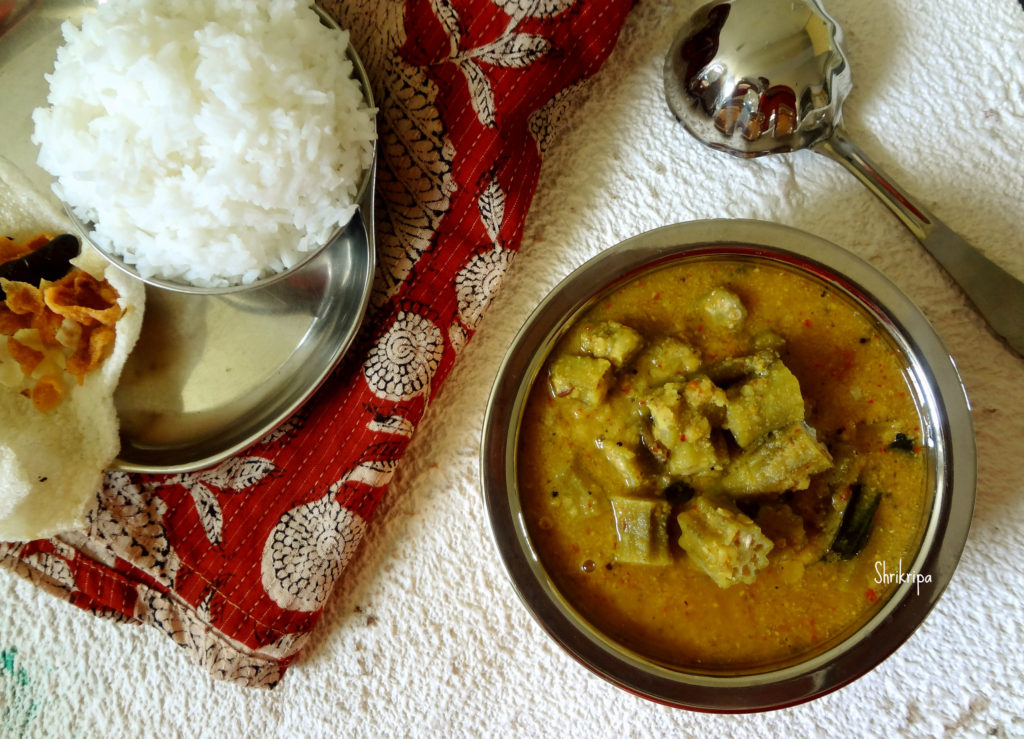
Bendekai sambar/ Okra sambar:

Sambar is a very essential part of south Indian meal. In Mangalore region, we normally use freshly roasted and ground coconut masala for vegetables as well as each vegetable has its own suitable masala recipe.

Normally, the main ingredients will be the same and here and there some additional ingredients or frying techniques will be different.

In this particular recipe, we don’t use coconut as it is.  Masala is fried as well as coconut and made into powder form and added. It is very flavourful and tasty.

We normally use heirloom variety of Bendekai/ ladies’ finger /Okra for sambar. This masala tastes very good even with small variety dark green bhindi as well.

Ingredient:

Bendekai/Bhindi /Okra – ½ kg

Toor dal – ½ cup

Tamarind – size of a small lemon

Green chillies – 2

Salt

Jaggery – 1 tsp

Methi – ¼ tsp

Coriander seeds – 1 tablespoon

cumin – 1tsp

Urad dal – 1 ½ tsp

Dried Red chillies – 2 to 3

Curry leaves – 1 spring

Coconut – ½  to ¾ cup

For the seasoning:

Coconut oil – 1 tsp

Mustard – ½ tsp

Red chilli – 1

Curry leaves – 1 spring

Method:

-Cook toor dal and keep aside.

-Soak tamarind, boil with little added water, salt, jaggery, slit green chillies.

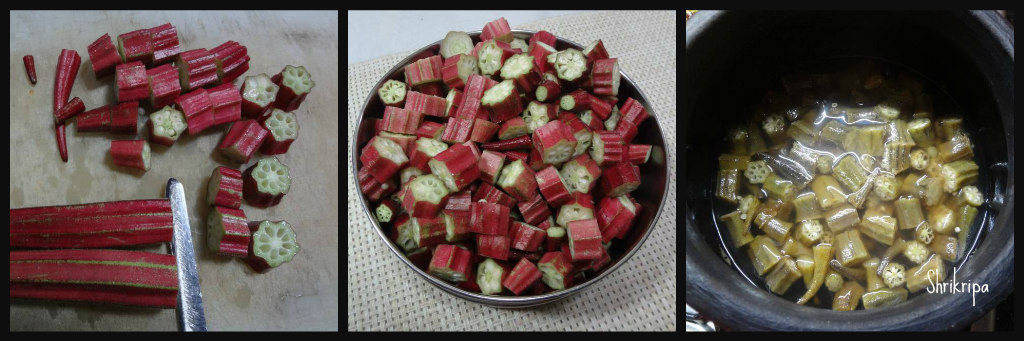
-When it starts boiling, add chopped bhindi. Allow to cook in a low flame.

-To avoid sliminess,  don’t close the lid or put a spoon to mix while boiling bhindi.

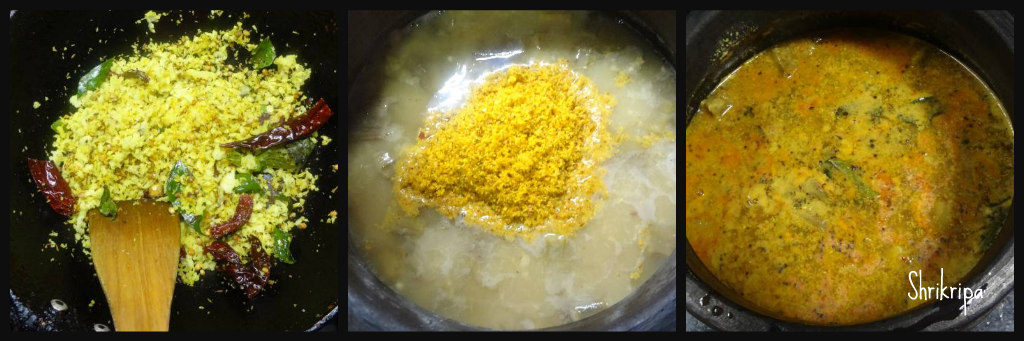
-In the meantime, prepare masala. Heat coconut oil, fry methi, add coriander, cumin , urad dal, red chillies and fry until all the spices are roasted.

-Next add curry leaves, coconut ,turmeric and fry until you get a nice aroma.

-Cool and make a powder of roasted coconut mix and keep aside.

-When bhindi is cooked, add dhal, masala powder and boil nicely by adding sufficient water to adjust the consistency.

-Do the seasoning and serve with hot rice.


Ripe Jackfruit Idli:

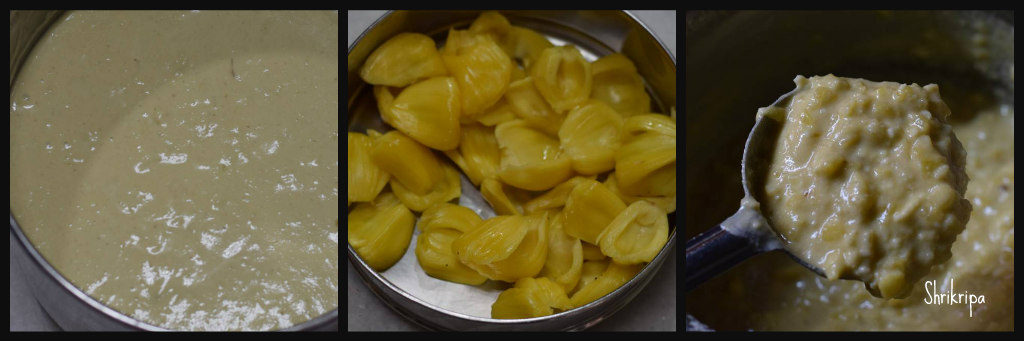
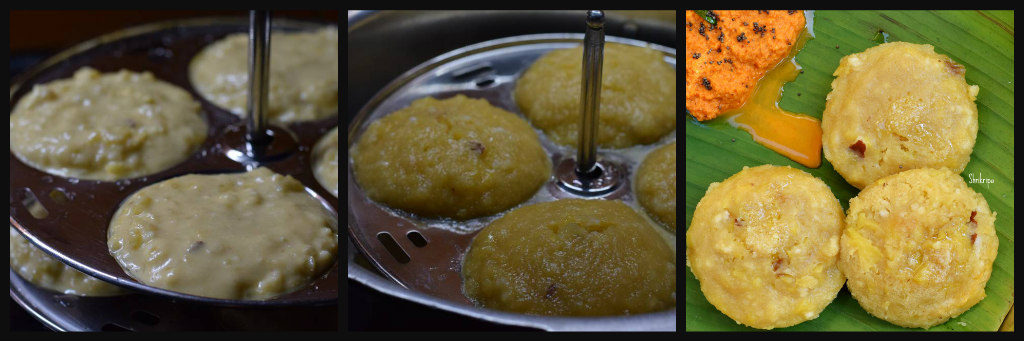
Jack fruit idli is Instant , if you have left over Jackfruit dosa batter 😀 . Other wise you should soak dosa rice for 2 hours and then you can proceed to make idli. Last week when I made dosa , I had some left-over batter and tried this idli instead of our usual traditional kottige. Which is wrapped and steam cooked in Plantain leaf.

It turned out to be super soft and fluffy. It is very easy, at the same time no compromises in taste.

How I made:

Ingredients:

Dosa rice – 1 cup

Cleaned jack fruit – 1 big bowl 

Salt

Coconut gratings – ½ cup

Grated Jaggery – 2 tablespoons ( as required)

Ghee – 1 table soon (optional, but it surely enhance the taste)

Eno fruit salt – ½ tsp (optional)

Method:

-Wash and soak Dosa rice in sufficient water for 2 to 3 hours.

– Chop the jack fruit, remove bulbs and separate outer cover and inner seed.

– Collect only the outer yellow fruit shell and put it in a mixer grinder, give couple of whipping sessions and remove.

-Divide it in half ( use one half for grinding and other half to ready batter. to enhance the taste.

– Now take soaked rice, half of  fruit chunks  , put little water and grind this into a smooth paste by adding sufficient salt. Batter consistency should be  little thicker.

-Take coconut gratings, mix in jaggery, little ghee( if you wish) and mix in half of jack pieces which we have kept aside.

-Mix this mixture with ground batter. If you want, add Eno and mix everything and make idlies by using idli mould.

-serve this with honey or with ginger chutney.            

Note:

For ginger chutney: Fry red chillies with little oil and grind it with coconut, salt, little tamarind and piece of ginger.

If you have ready Dosa batter, add jack fruit pieces, coconut, jaggery ,ghee, Eno and mix everything and proceed.

If you are using idli stand, grease the idli plate with oil/ghee and pour a ladle full of batter and steam cook them in pressure cooker for 10-15 minutes.
Let it cool for few minutes before serving the idlis with spicy chutney and ghee.

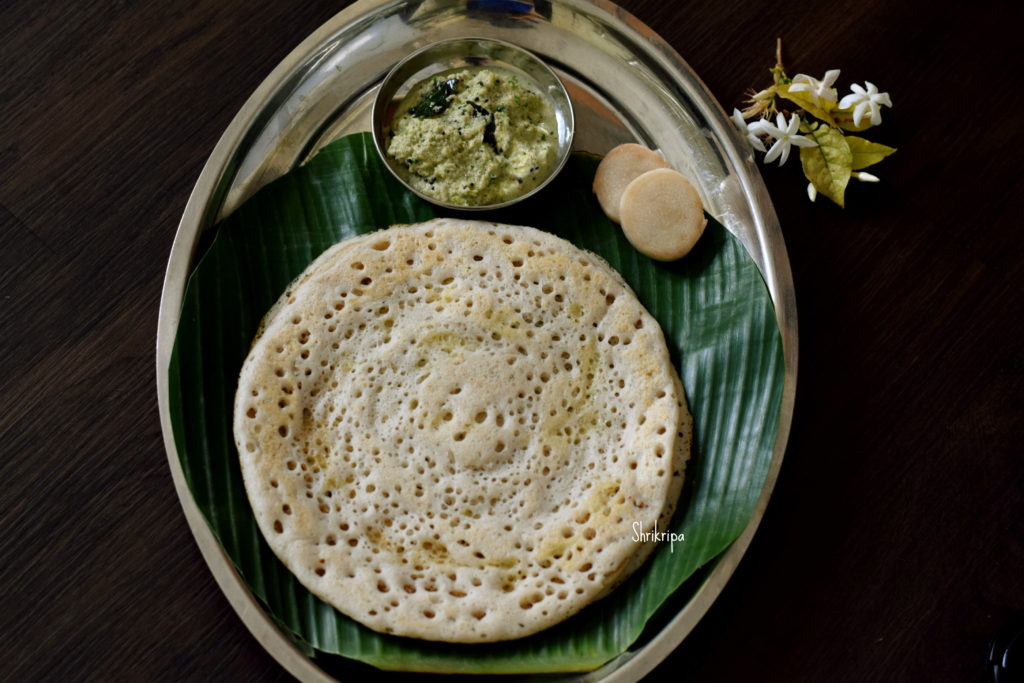
Plantain stem dosa / Bale dandina dosey:

Every part of the banana plant has its own benefits to our health. Banana stem is one such thing, which is high in fibre and filled with nutritious water. It is very good for Human gut as well as kidney.

The juice of the banana stem helps in flushing out of toxins as well as to prevent kidney stone formation as well. Overall it acts as a healing food for human body. In coastal Karnataka, we do use plantain stem or flower in various recipes. Today I am going to share our traditional Dosa recipe and previously I have shared Raw salad as well as Rasam recipe.

Plantain stem dosa turns out porous, soft as well as crispy and goes very well with any side dish of your choice.

Ingredients:

Dosa rice – 2 cups

Urad dal – ¼ cup

Methi seeds – 1 tablespoon

Banana/ plantain stem – 2 cups

Salt

Method:

-Wash , soak dosa rice, urad dal, methi in water for 2 to 3 hours.

-Chop Banana stem as I have shown in the picture below.

-Grind soaked rice and chopped plantain stem pieces by adding sufficient salt into smooth paste.

-Ferment overnight or 8 – 10 hours. Next day prepare Dosa .

-If you like crisp roasted one, spread as thin as possible on heated iron griddle.

-Serve with coconut chutney or any other curry.


Halasina hannina Guliyappa/ Jackfruit Paddu:

Jackfruit is an integral part of our kitchen during the Summer months. In our native, it is an everyday affair to make something or the other out of home-grown huge jack fruits. A lot of family bonding happens during its chopping, separating the fruit bulbs and cleaning. After cleaning, it is time to think about what to make? One says Dosa, other one Kottige or Guliyappa. Even after making all these delicacies if it is in excess, then it is time to make Berati and preserve it for a long.

Guliyappa is usually an instant thing if the rice has been soaked and ready. But I like Paddu out of fermented batter. Let us see how I make it.

Ingredients:

Dosa rice – 2 cups

Jackfruit – 1 big bowl

Coconut – 1 small bowl

Jaggery – I piece (according to taste) Or Jaggery Syrup as needed.

Salt

Method:

-Wash, soak Dosa rice in water for 3 to 4 hours. Clean jack fruit bulbs by removing fibre and seed.

– Drain the water, grind Rice, jaggery ( I would suggest using jaggery syrup), salt, coconut and chopped jackfruit with adding minimal water.

-The batter should be a little coarse, and the consistency should be like idli batter (should neither thick nor thin)

-Allow fermenting overnight in cold weather, or 2 to 3 hrs is enough.

-Heat Appe or Paddu pan. When it is hot, pour ¼ tsp of ghee or oil.

-Pour the batter into each mould, close the lid, and cook for a few minutes.

-Flip the side and cook the upper side as well.

-Serve with chutney. We normally prefer Ginger and coconut chutney as a side dish for jackfruit items.

-Repeat the process and enjoy your breakfast or brunch or dinner.

Note:

For ginger chutney: Fry red chillies with little oil and grind this with coconut, salt, tamarind, and a piece of ginger.

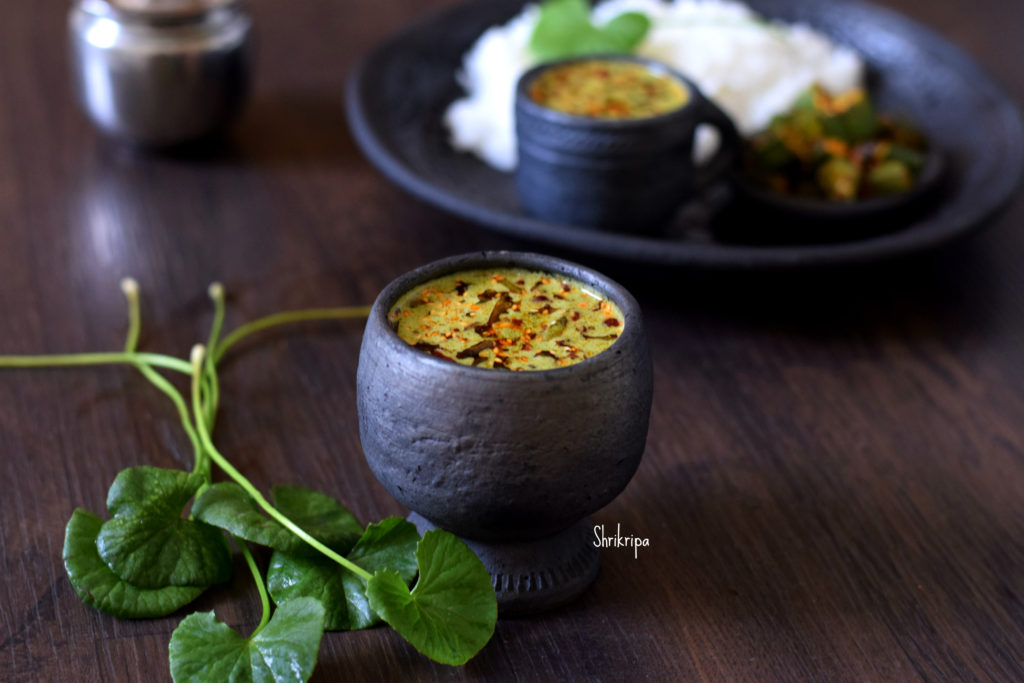
Brahmi Tambli:

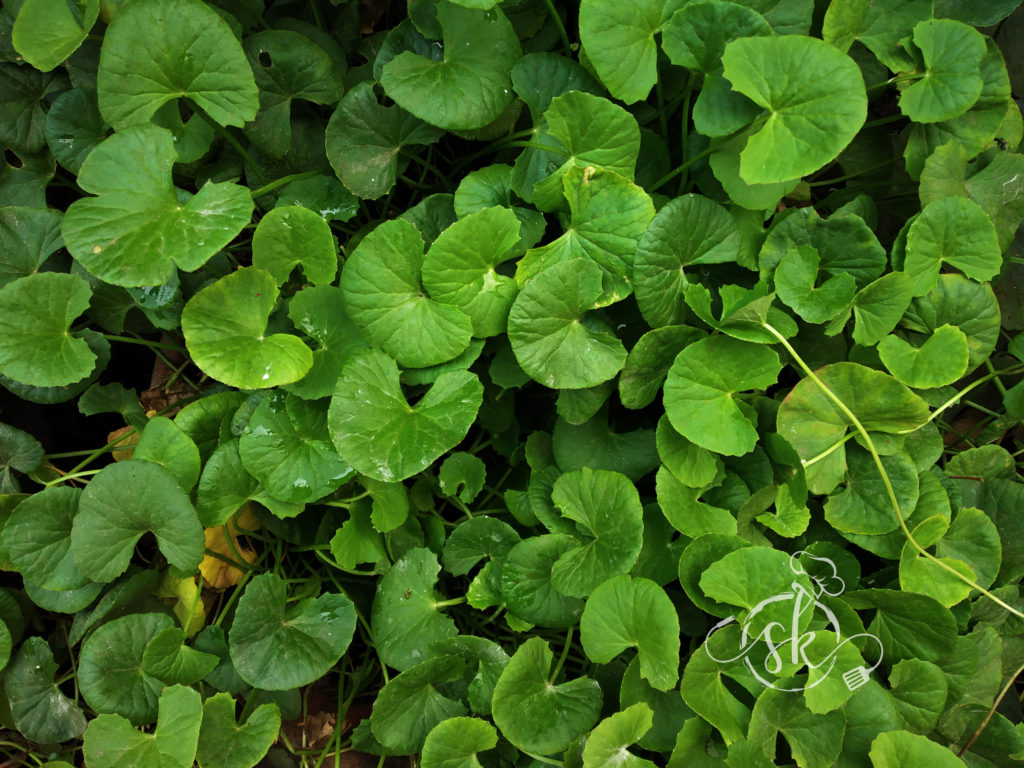
Centella Asiatica is commonly known as Centella /Gotu kola or Asiatic pennywort locally known as Thimare /Brahmi or Ondelaga in our region. Popularly known as a memory enhancer and from ages, it has been used as a brain tonic. In our coastal Brahmi is considered as a body coolant and used as a culinary herb during summer either by making chutney or Tambli.

Brahmi is a small runner/succulent herb and contains numerous fibrous roots at its every node. In our coastal belt, it grows widely in our paddy fields or Areca nut garden. It has small tiny seed-like flowers with a neutral colour. The whole plant including its roots can be used in cooking as well as medicinal purpose. It has little bitter sweetish taste when it is consumed in a raw form without any added taste enhancer. 2 teaspoons of Raw extract can be used for 3 to 7 days to enhance the overall health /to boost immune system/to reduce any inflammation of the body. Apart from this, it is very good for hair as well and I have shared the Hair oil recipe long ago by adding Brahmi and many other goodnesses. 

In our region, usually, we make Tambli or chutney and consumed as a raw form (not boiled) to get all the benefits of the greens. This particular recipe I learnt it from Kavya Bhat which she has shared with us in our Foodie Facebook group and I want to thank her for the wonderful tasty recipe.

How to make Tambli-

Ingredients:

Brahmi greens – 1 fistful (You can use with roots or without)

Coconut – ½ cup

Cumin – ½ tsp

Jaggery – 1 small piece

Curd – ½ cup

Salt

Seasoning:

Coconut oil – 1 tsp

Sesame seeds – 1tsp

Red chilli flakes – 1 tsp (or chopped red chilli)

Curry leaves – 1 spring

Method:

-Wash Brahmi greens and roots nicely.

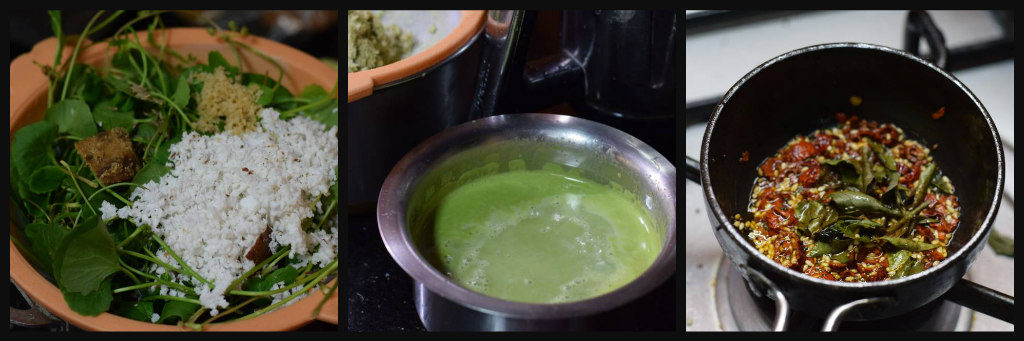
-Put Brahmi, coconut, salt, cumin, jaggery and pour ½ cup of water and grind into a smooth paste.

-Sieve the content and extract the liquid.

-Take all the roughage, add curd and little water grind once again and sieve. Collect the liquid.

-Third time add little water and grind, sieve and extract the liquid and discard all the remaining roughage.

-Prepare seasoning- heat oil, add sesame, when it turns light brown switch off the gas. Add red chilli flakes, curry leaves and add to Tambli.

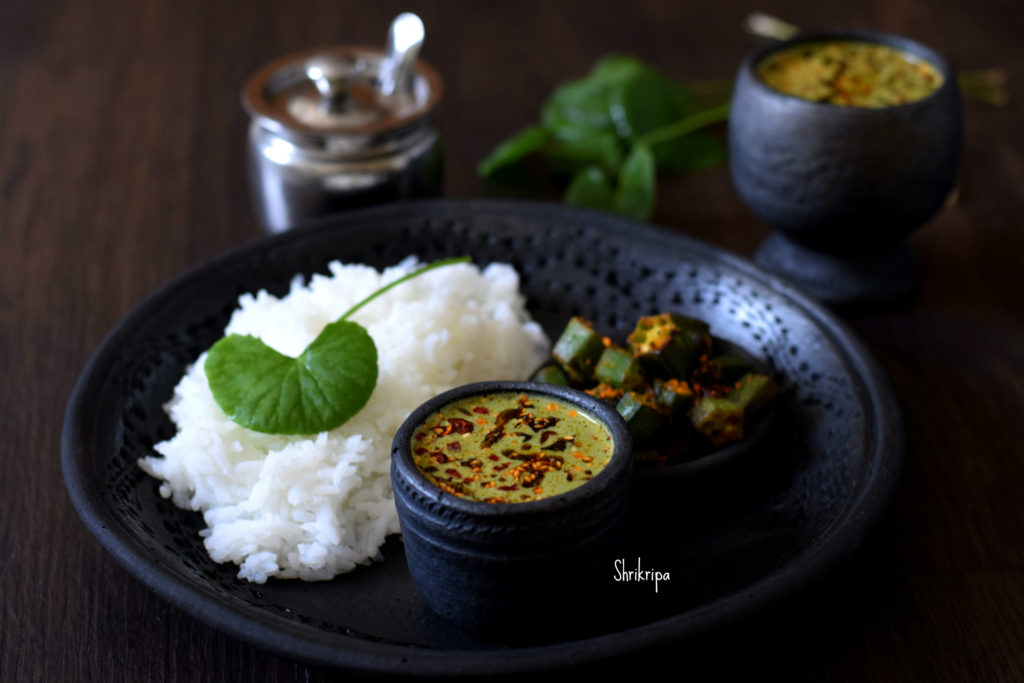
-Adjust the salt and enjoy either as an appetiser or with white or brown/ red rice.