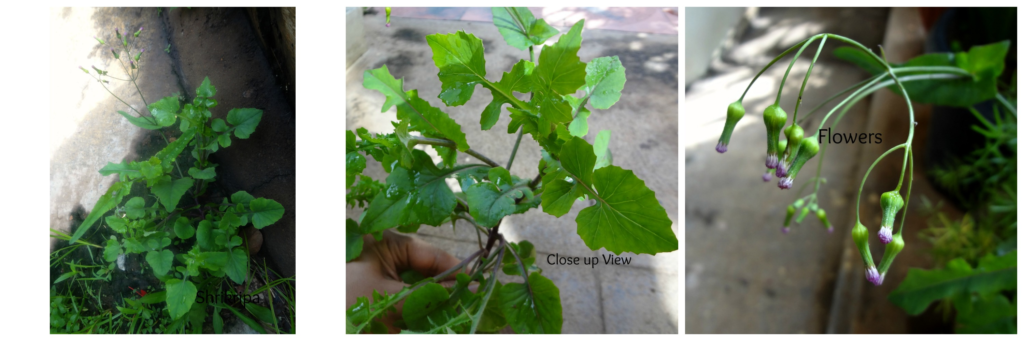
Dudle huli Uppinakai/ Citrus medica Pickle:

Dudle huli is a big lemon and is known as Citrus medica. Citrus medica is much bigger than normal lemon with thick outer rind and less sour and sweeter than normal lemon, excellent for thin Rasam, juice, pickles or Chithranna. Last week I have already posted Chithranna recipe by using this lemon. When I got hold of so many huge lemons, I did try to make this much-loved pickle of Dudle huli. Due to its thick skin, it tastes divine with curd rice and this pickle can be relished within one week after its preparation. I never tried its pickle due to unavailability, hence asked my sister in law who is an expert in preparing this pickle. All thanks to her for this wonderful recipe.
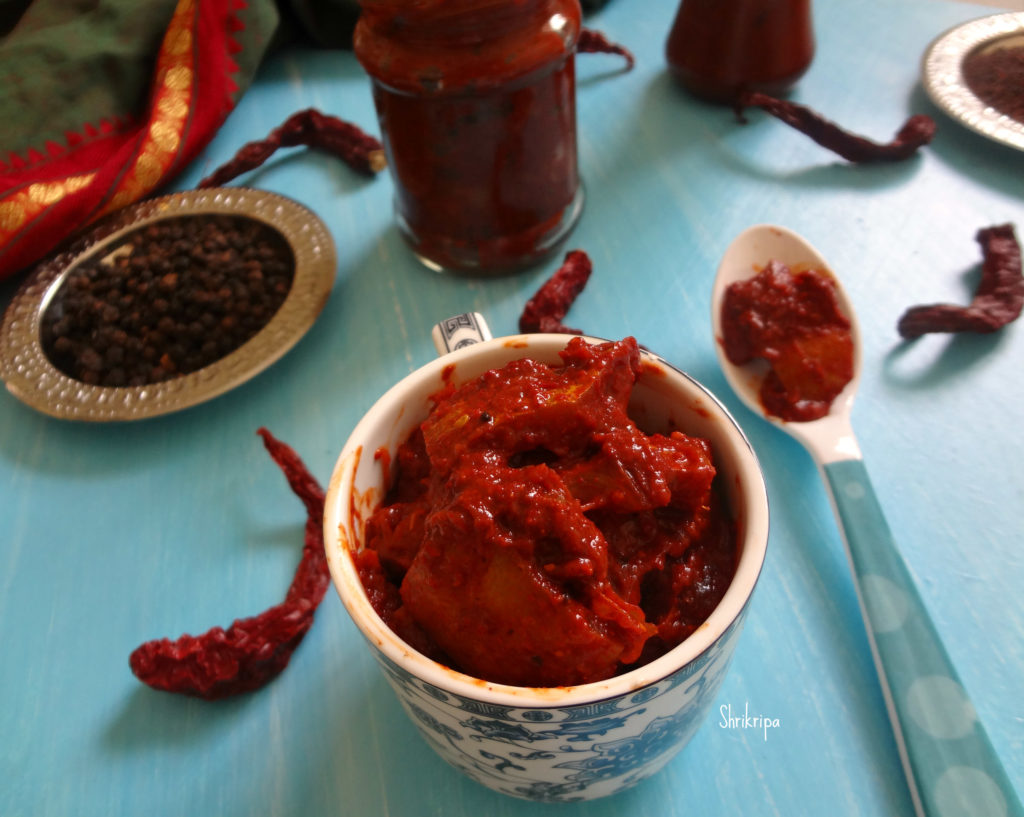
pickle main 1

Ingredients:

Big lemon / Dudle huli – 3 to 4

Salt

Dried red chillies – 100 grams

Black pepper – 1tea spoon

Fenugreek seeds – ½ tea spoon

Cumin – 1 tea spoon

Mustard – 3 tea spoons

White Sesame seeds – 1 tea spoon

Turmeric powder – 1 tea spoon

Seasoning:

Sesame oil – 1 table spoon

Mustard – 1 tea spoon

Hing – ¼ tea spoon

Curry leaves – 2 springs

Method:

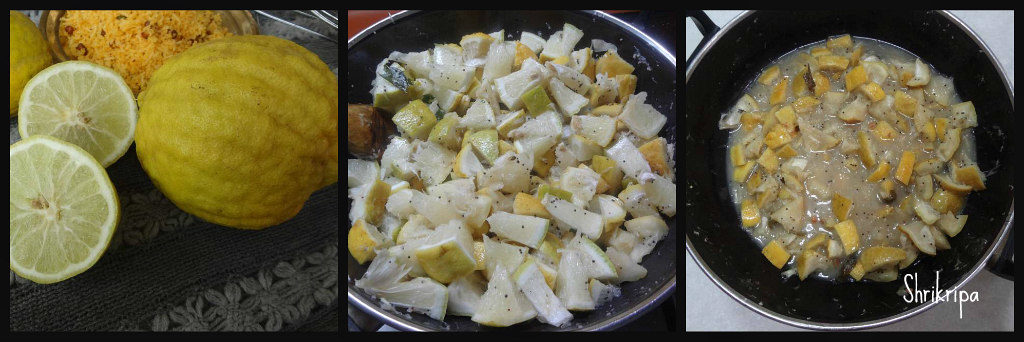
-Chop lemon into bite size pieces, after washing and wiping it dry.

-Take one tawa, do seasoning part, by heating sesame or any vegetable oil, splutter mustard seeds, add hing and curry leaves, fry until curry leaves wilts.
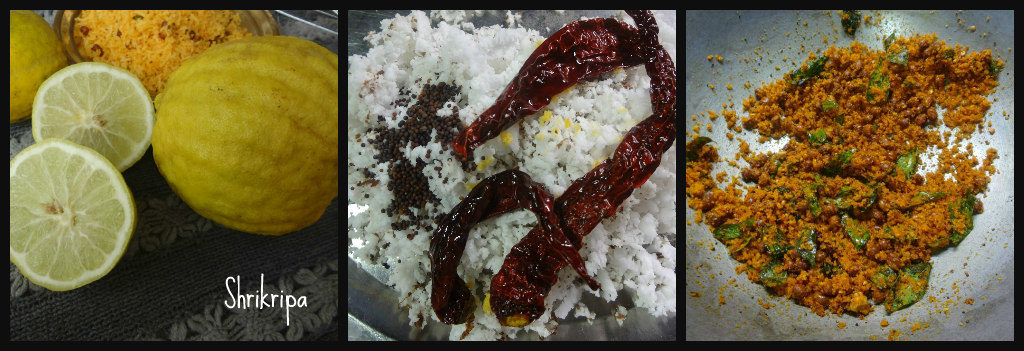
Ribbet collage 1

-Next add chopped lemon and toss for a while and add 1 cup of salt and mix until water oozes out.

– Switch off the gas and leave this mixture to cool down to room temperature.

– In the meantime, prepare pickle masala.

-Take one thick bottomed kadai, dry roast fenugreek until it reaches dark, not burnt.

-Next proceed with sesame, mustard, cumin, black pepper one by one separately.

-Now take 1 teaspoon of oil and fry red chillies until crisp. Lastly add turmeric and fry after switching off the gas.

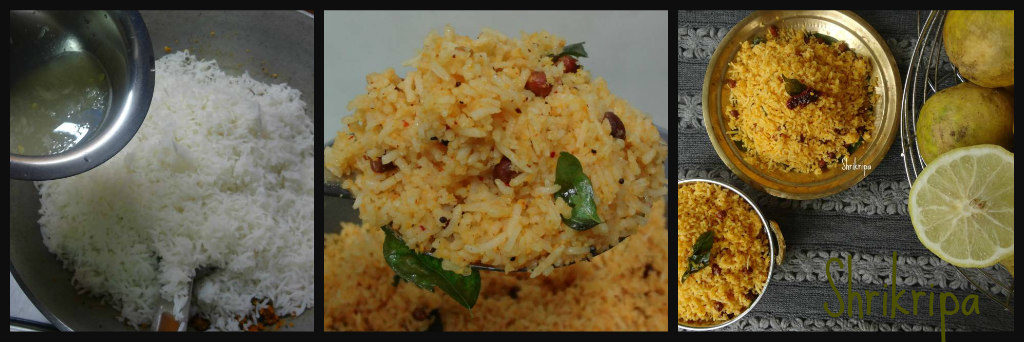
Ribbet collage 2

-Cool this fried and roasted items and make powder by using dry mixer jar.

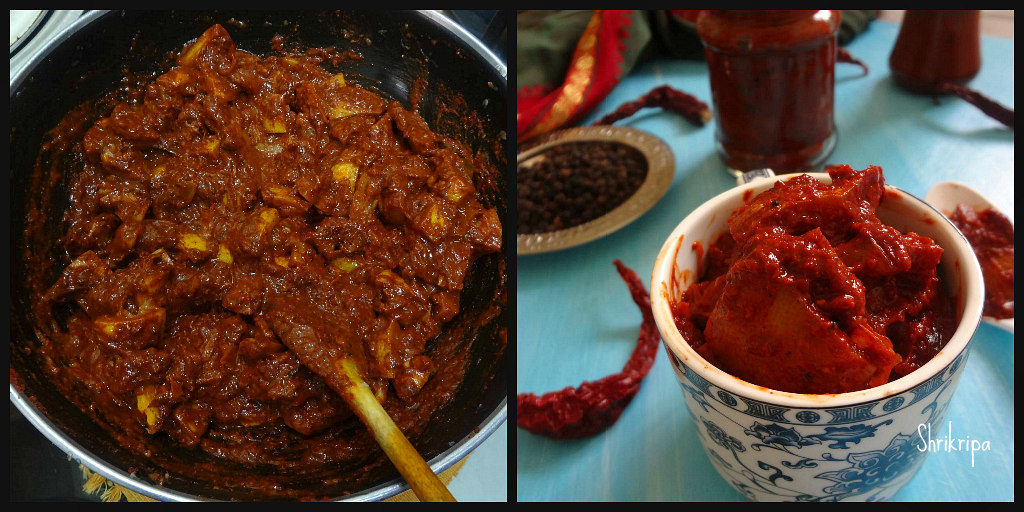
– Spread this powder on a plain paper, cool and mix with seasoned and cooled lemon mixture.
Ribbet collage 3

-Mix everything nicely, check for a salt, if needed add more. store it in a dry glass jar.

-Once in two days, mix this pickle by using dry spoon until it sets.
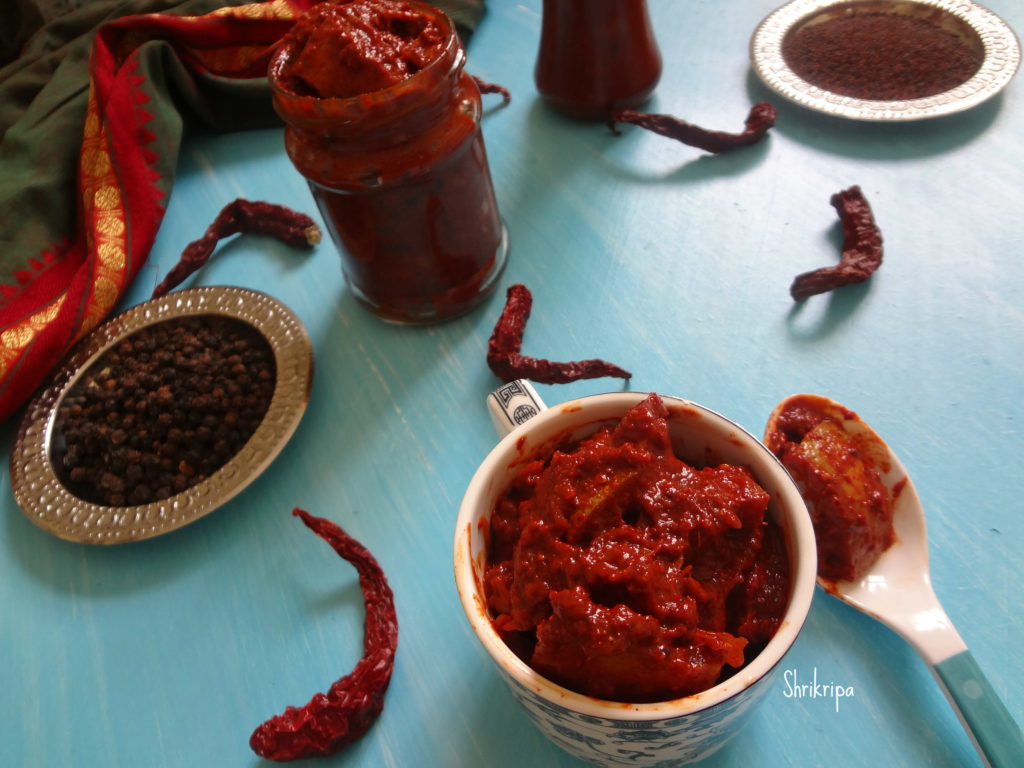
pickle main

-After one week, you can start enjoying this fresh pickle and store this in a fridge for longer shelf life.



Peanut chutney:

Peanut or Ground nut is considered as a power house of nutrients and known as the poor man’s cashew. In our family everyone loves peanuts as a munching snack and not in a curry. As a Mangalorean, our taste buds were accustomed to coconut based curries from childhood days and we never prepared peanut based curries until my hubby introduced me to this super delicious recipe of his friend’s family. Thanks to our friend Seetha who obliged to pass on this recipe of her mother in law. This is an Andhra household’s day to day chutney recipe. We love this Spicy, tangy and creamy chutney or dip with anything and everything. It is a deadly combination with Sago and Rice Rotti too.

pic main

Ingredients:

Peanuts – ¾ cup (roasted)

Oil – 1 tea spoon

Onion – 1 (chopped)

Green chillies – 3 to4 (chopped)

Coriander leaves – 4 strings (chopped)

Garlic – 1 whole bulb

Salt

Tamarind – peanut size.

Method:

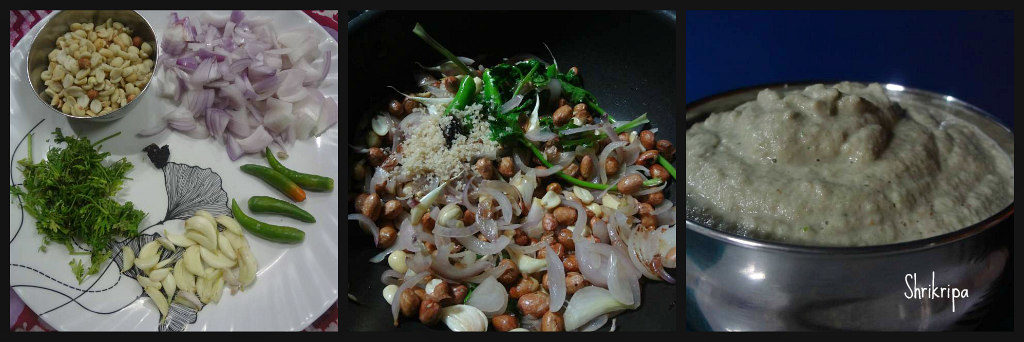
I take roasted peanuts with skin intact. If you want to remove the skin, you can do that and use.

Ribbet collage

Now take one tawa, put oil. When it is hot, add chopped onion, garlic, green chillies and fry till it becomes translucent. (Onion Should be transparent and glossy)

 Switch off the gas and mix in chopped coriander leaves, roasted peanuts and tamarind.

Cool this mixture and grind this mixture by adding salt and required amount of water.

 I normally don’t add any seasoning to this chutney. If you want you can add or serve as it is.

  It goes very well with any south Indian Breakfast dishes.

Sabudana Rice Rotti:

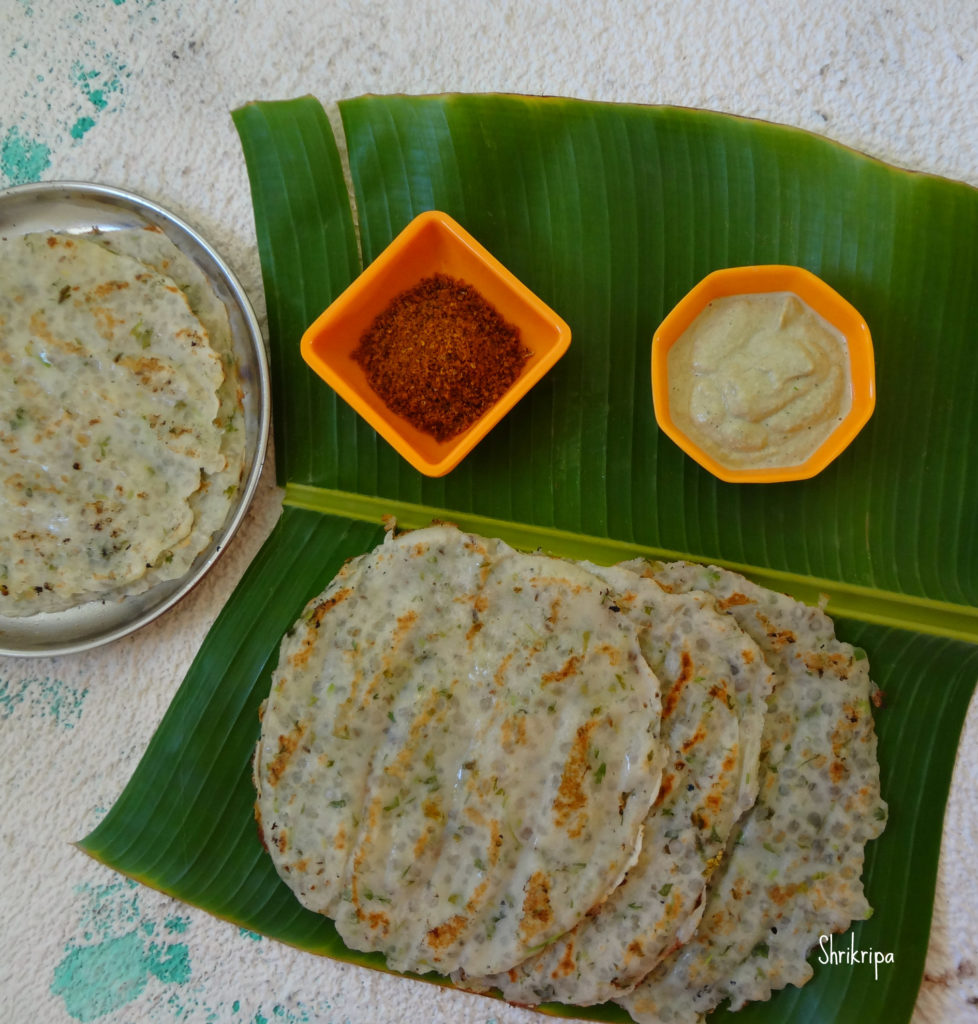
Akki rotti is an integral part of Karnataka cuisine. When we mix Soaked Sago/ Sabudana/ topiaco pearls in this dough, we get super soft mouthwatering fragrant flat bread. It is regular in our house hold and it usually stays fresh and soft for long hours and fulfills the need as a tiffin box option as well. I usually serve this sago rotti with peanut chutney and it is the most liked combination in our household.

pic main

Ingredients:

Sabudana – 1 cup

Curd or buttermilk – 1 cup

Rice flour – 1 to 1 ½ cups

Green chilli -1 (chopped)

Coriander leaves – 2 table spoons (chopped)

Cumin – 1 tea spoon

Salt

Method:

Wash Sabudana with water, drain and soak with curd.

Keep it overnight or for 5 to 6 hours.

The next morning, add required amount of rice flour, chopped chilli, coriander, salt, cumin and mix nicely to make pliable dough.

If dough is very stiff, add little water and adjust the consistency.

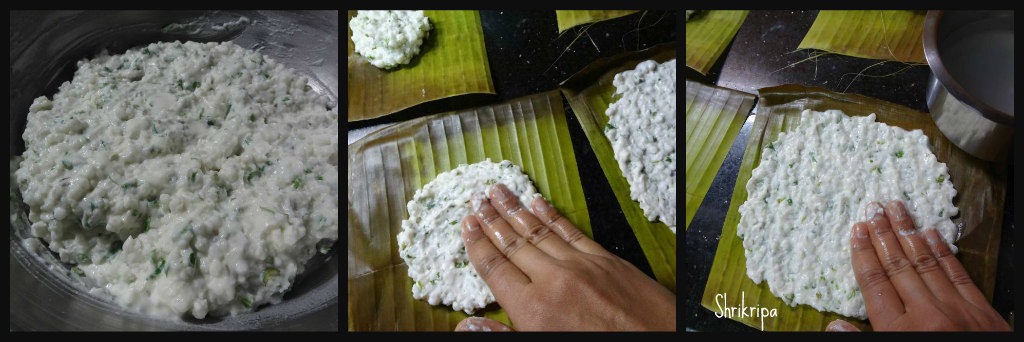
Ribbet collage 1

Keep it aside for 5 to 10 minutes to absorb all the seasoning as well as to soak.

When you want to make rotti, take one piece of banana leaf or butter paper.

Take a little rotti dough in your moist hand, and start patting in a circular motion by dipping your hand in water in-between.

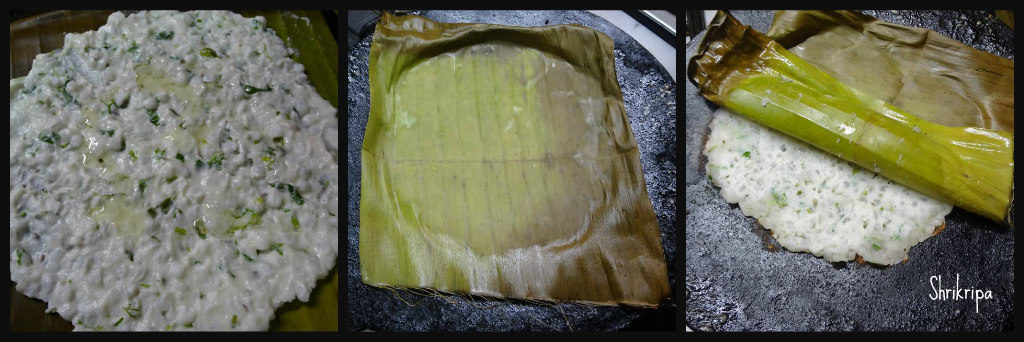
Sprinkle one teaspoon of oil over this patted rotti and keep it ready.

Ribbet collage 2

Heat iron griddle and cook oil sprinkled rotti by putting upside down on it.

After 2 to 3 minutes, peel off banana leaf or butter paper.

Sprinkle little oil over it and flip.

Cook and serve hot with chutney.

Note:

– I usually prepare the dough, the previous night and keep the dough under refrigeration.

-In that case, I soak sago in the morning and prepare dough in the evening.

-Keep one bowl of water in a reachable distance to dip your hand in-between.

-While patting the rotti, dip your hand in a bowl of water which you have kept aside.

– wetting your hand will help to avoid the dough sticking to your fingers while patting.


Citrus medica / Dudle huli Chithranna:

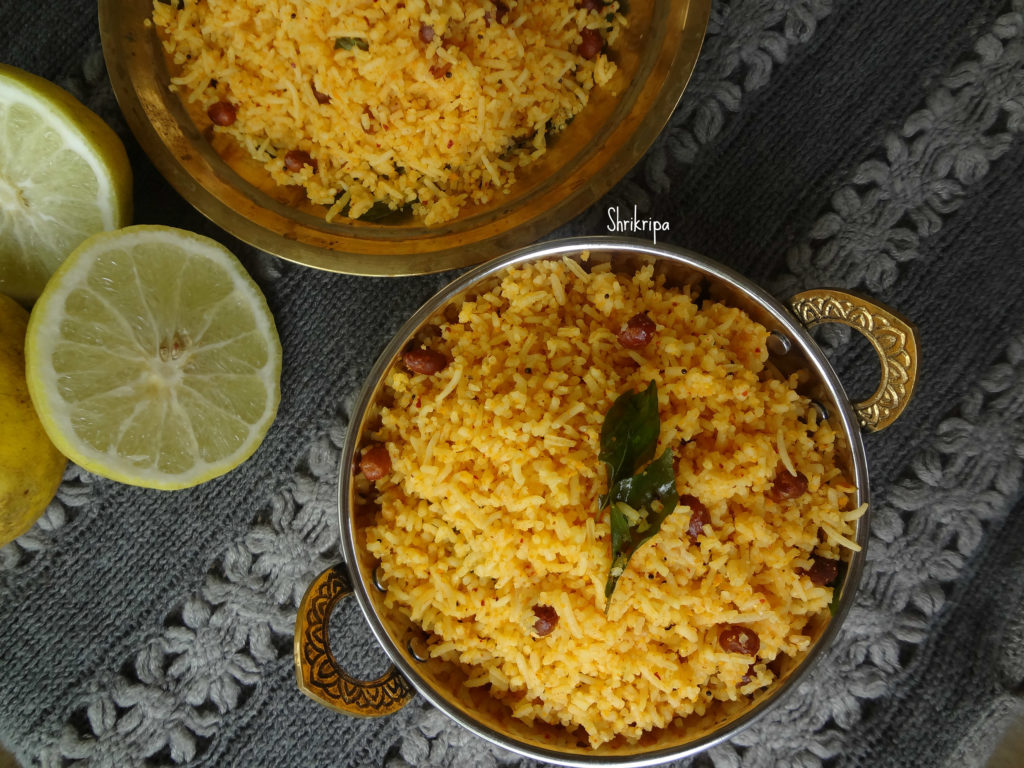
Dudle huli is a big lemon and is known as Citrus medica. Citrus medica is much bigger than normal lemon with thick outer rind and less sour and sweeter than normal lemon, excellent for thin Rasam, juice, pickles or Chithranna. This Chithranna is fragrant, rich in vitamin C and very tasty. We normally serve this in any festivals or weddings. It is a no onion no garlic recipe and we use mustard, dry red chilli and coconut for flavour. This is our traditional and much-loved recipe for Chithranna.

chithranna main

Ingredients:

Rice – 3 cups

Citrus medica – 1 (big citrus fruit)

Dried red chillies – 2 to 3

Mustard – 1 tsp

Coconut – ½ cup

Jaggery – 1 to 2 tsp

Salt

Oil – 1 tsp

Seasoning:

Coconut Oil – 3 tbl sp (any refined oil is ok)

Mustard – 1 tsp

Urad dal – 1 tsp

Cumin – 1 tsp

Hing – ¼ tsp

Curry leaves – 2 springs

Ground nuts – ¼ cup

Method:

-For cooking rice:

Boil water in a big vessel by putting 1 tsp of salt and oil. Add washed rice and cook for 7 to 8 minutes or until it is soft and firm and cooks. Drain cooked water and spread this rice in a colander.

– Grind masala by putting coconut, roasted red chillies, mustard, jaggery and dry run without adding any water.

-Seasoning:

-Take one thick bottomed kadai, add oil and heat. When it is hot, add mustard.

collage 1

-When it starts splutter, add urad dal and ground nut and fry until it becomes little dark. Next add cumin, hing and curry leaves.

-Now add ground masala and fry for 2 minutes. Add drained rice, juice of citrus medica and salt.

collage 2

-Mix well and switch off the gas. Check for the seasoning and adjust according to your taste.

– This is very ideal vitamin C rich option for tiffin box as well.


Arrowroot Halwa:

Traditionally we call this Arrowroot halbayi. Which is easy to digest and considered as a very light food during fasting or illness. This should be consumed fresh and the shelf life of any halbayi is only 24 hours.

Arrowroot powder is extracted from the arrowroot plant, which is milky white in colour and powdery like corn starch. It has high nutritional content and is a very good substitute for bleached corn starch as a thickening agent in cooking. It is odourless and works well too.

Arrowroot powder’s “Easy to digest” quality is qualified to make infant food as well as to treat diarrhoea. It is usually consumed in a porridge form in our region. Usually, 1 tablespoon of powder is mixed with little water (according to the consistency) and cooked until it is shiny and glossy. Then with preferred seasonings like salt or jaggery.

Although it is a starch, it contains no gluten, so works well in gluten-free baking or cooking as well.

pic main

Ingredients:

Use a small tumbler to measure arrowroot, milk and jaggery or sugar.

Arrowroot powder – 1 cup 

Coconut milk or milk – 1 cup

Jaggery or sugar – 1 cup (grated)

Ghee – 2 tablespoons

Water – 2 cups

Cashew bits – 2 tablespoons

Cardamom powder – 1 teaspoon

Method:

– Mix arrowroot powder in water and keep aside for one hour.

– After an hour, pour the top/soaked water. Add 2 cups of water, mix nicely and sieve this solution to remove any impurities.

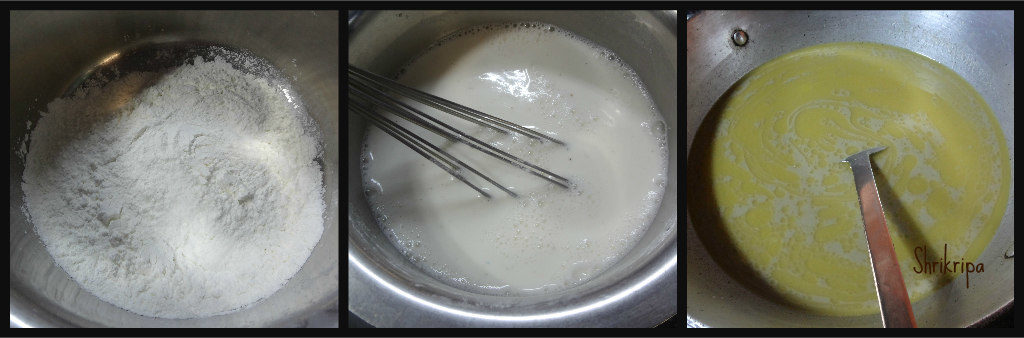
collage 1

– Make jaggery syrup by adding little water, boil and sieve the solution to remove any impurities.

– Grease one steel plate with little ghee and keep it aside. Roast cashew bits with a drop of ghee and keep aside.

– Mix sieved mixture, coconut milk, jaggery syrup in one thick Kadai and heat the mixture by stirring continuously on low fire.

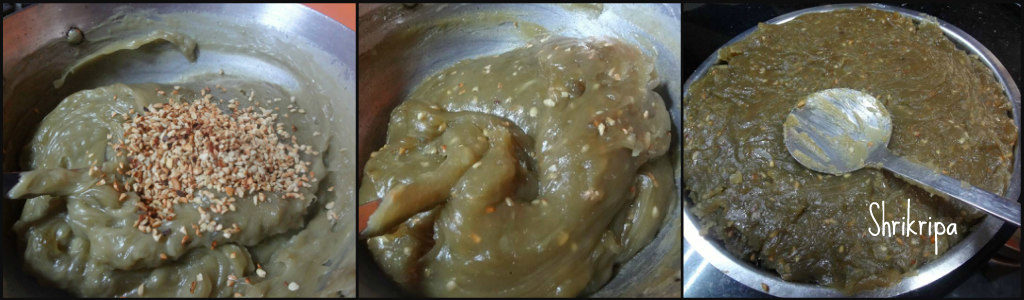
collage 2

– Add ghee in-between, when it is half done add cardamom powder, cashew and stir once.

– When the mixture leaves the sides of the vessel and becomes one mass and non-sticky, pour the mixture to a greased plate.

– Take one flat spoon/ladle, apply some ghee to the back of the ladle and press the mixture to give a uniformly smooth texture and even thickness.

– When it cools down a little, mark and cut this into the desired shape and serve.

– Please note, this halwa/ halbayi stands good only for one day. If you want to enjoy this dish over more days, you should store this in a refrigerator and reheat it before serving.


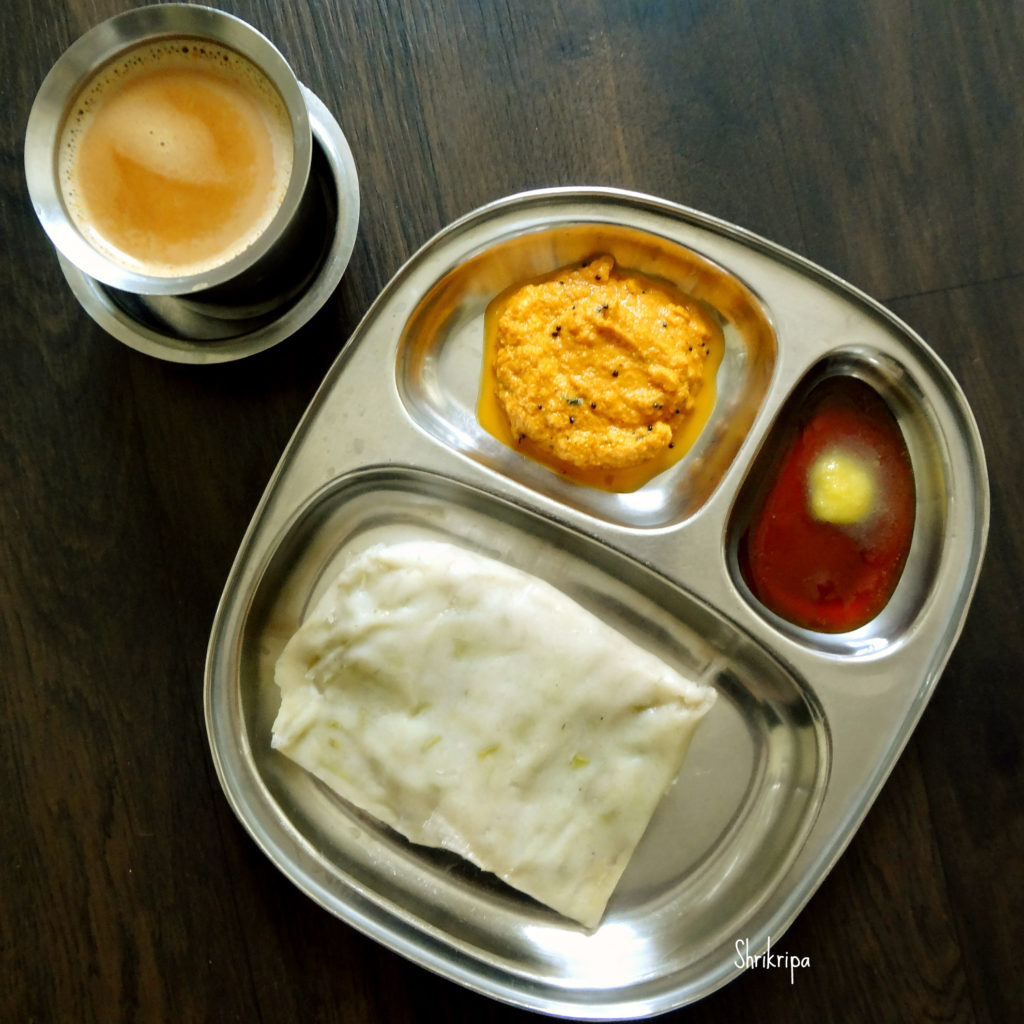
Sorekayi Kottige / Bottle gourd steam dumpling:

Sorekayi is nothing but humble bottle gourd, which we usually neglect to use in our daily diet, which incidentally has numerous health benefits. In our native, bottle gourd is mainly used to treat stomach illness or jaundice. It is believed that, it has the power (anti-inflammatory properties) to heal our Liver and intestine during the illness. Bottle gourd has close to 90% water content and is great on the stomach and light on digestion. Apart from this, bottle gourd juice is very good for weight watchers, diabetics and for a healthy heart too. We have so many traditional preparations of bottle gourd and all are very low in calories and tasty too.

DSC06039_Fotor

Ingredients:

Dosa rice – 2 cups

Bottle gourd – 1 or 2 (according to size)

Salt

Banana leaves or turmeric leaves – to wrap

collage 1

Method:

-Wash Dosa rice and soak it for 3 hours.

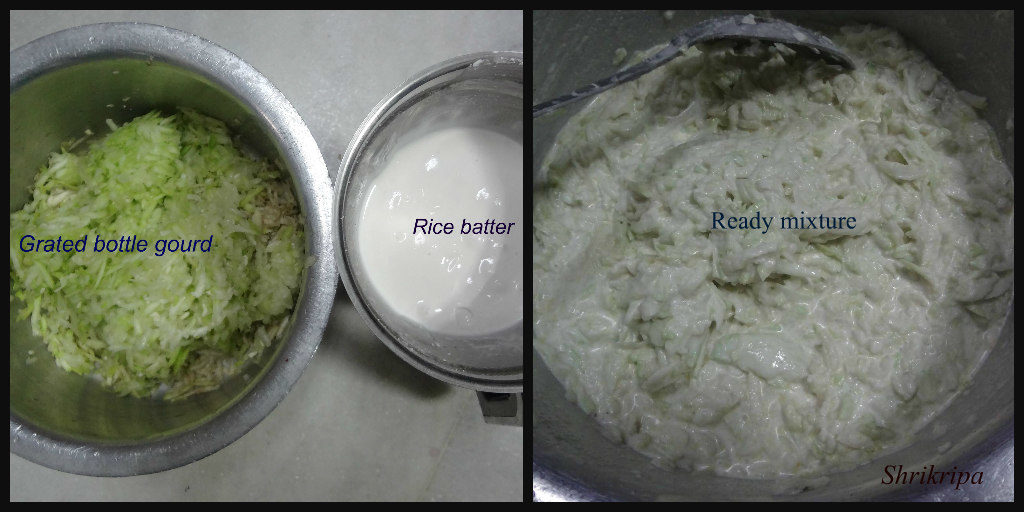
-Grate bottle gourd by using big hole of a grater or chop it into very small chunks.

-Grind soaked rice into a fine paste with minimal amount of water and salt.

-Mix chopped or grated veggie and rice batter.

-If you are using turmeric leaves, wipe it and use as it is.

-If you are using banana leaves, take banana leaf, hold it over a gas flame (for wilting) then clean it with a wet cloth.

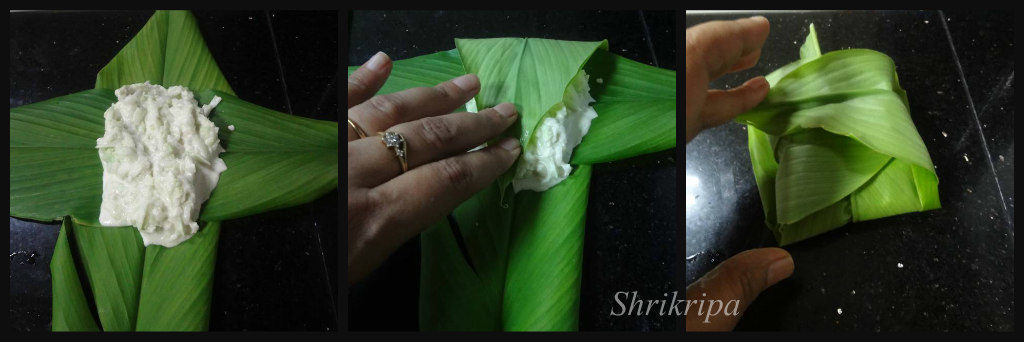
– If you are using turmeric leaves, use 2 leaves, place it in a “Plus” position, now pour one serving spoon of batter and fold the leaves like a packet.

collage 2

-If you are using banana leaf, pour batter, fold side wise, then close the ends.

collage 3

-Steam cook these ready packets in a water filled idly steamer for 30 minutes to 40 minutes in a medium heat.

collage 4

– Serve this kottige with jaggery syrup with ghee / Honey, coconut chutney or sambar.


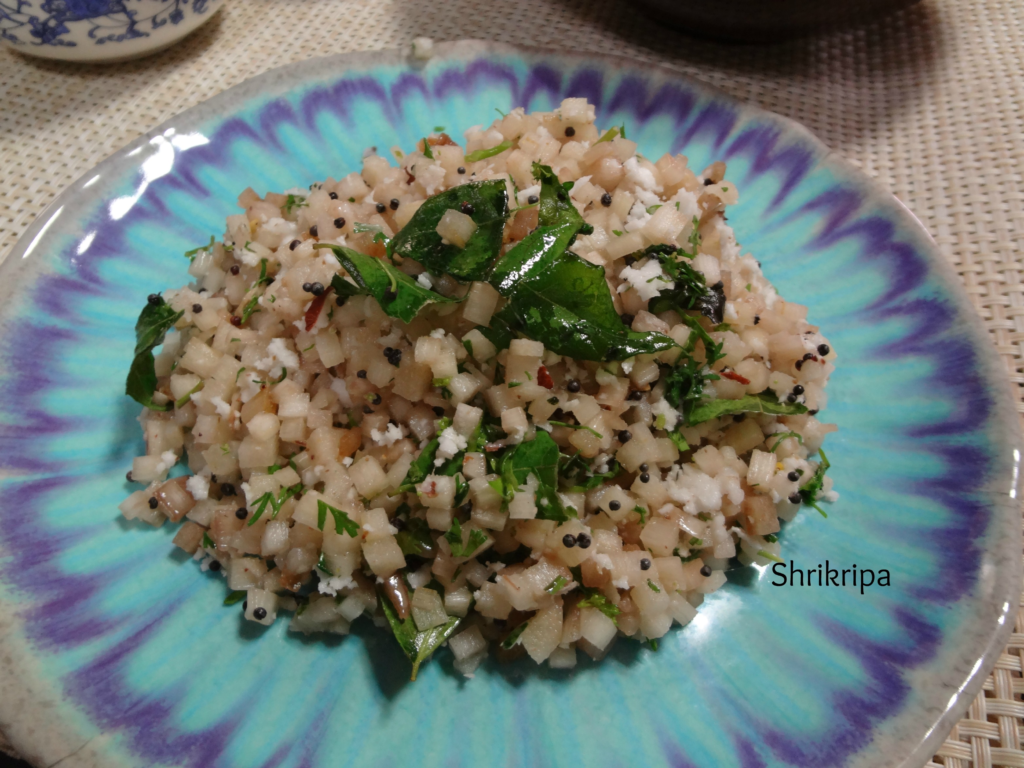
Banana/Plantain Stem Salad:

Traditionally we have used banana stem from ages and it is a super-rich vegetable and neglected by many. Our ancestors were very intelligent and included all the available nutritive vegetables from their surroundings. In our native, usually most of the people rely on agriculture for a livelihood and include all parts of banana plant in day to day cooking. When a bunch of bananas is harvested, the banana tree is cut away. Which is 80% water and 20% fibre.

Eating banana stem is very good for health as well as the kidney. It’s high fibre nature is known for its cleansing property of the digestive system. So, it is very good for diabetic or kidney stone patients.

It has layers of covers which should be peeled off and foot long pieces are made by retaining only a couple of outer layers as a protective layer for this vegetable and they are stored and kept aside for future use.

According to the requirement, before chopping this veggie, chop off required length of the stem, remove outer remaining sheath, until you find the very soft inner core.

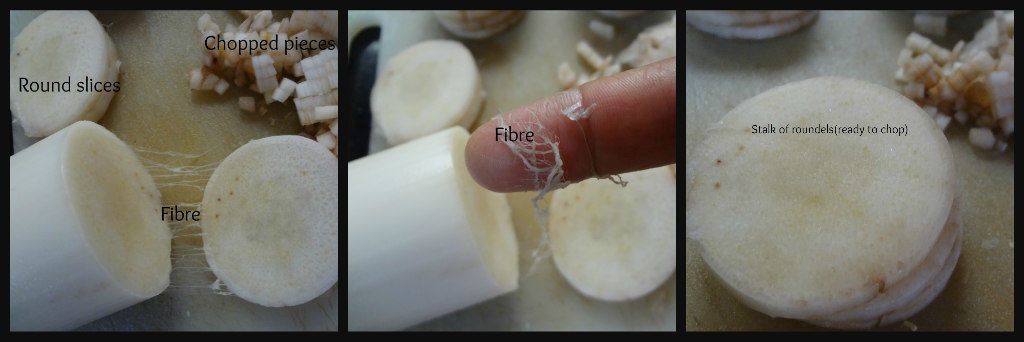
Now comes the chopping part. Make thin slices, while slicing you will see the thread like fibre, which sticks to the knife and sometimes it will stick to the slices itself. If you find any thread like fibre either in sliced pieces or knife, remove it by hand.

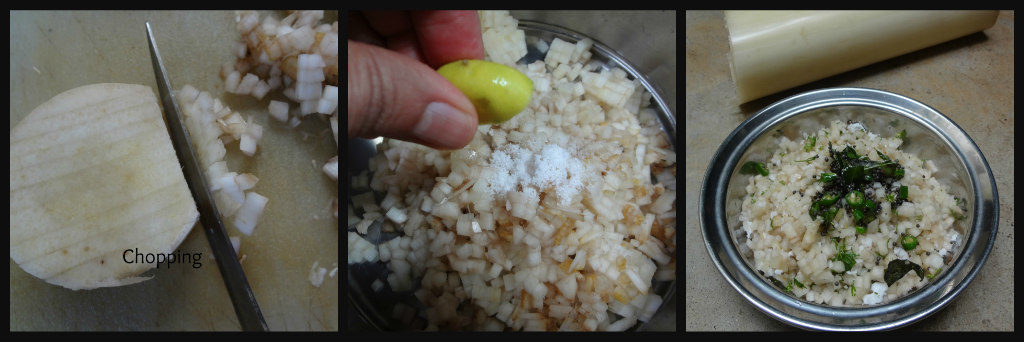
After slicing the roundels, stack 5 to 6 roundels one over the other and chop as desired. I usually make square small pieces for this salad.

pic main

Ingredients:

Plantain stem – 10-inch long.

green chillies – 2 (if available use bird eye chillies)

Fresh Coconut – 2 table spoons

Salt

Lemon – ½

Coriander leaves – 1 table spoon (chopped)

Coconut Oil – 2 tsp

Mustard – 1 tsp

Hing – 1 pinch

Curry leaves – 1 spring

Method:

  Chop banana stem as described in description.

  Now, remove the remaining outer cover.

collage 1

  Slice inner pith into roundels by removing thread like fibre.

  Stack all the roundels and chop as needed. I prefer small square pieces.

collage 2

  Sprinkle salt and lemon juice and mix it thoroughly.

  Chop chillies.

  Do seasoning, heat oil, splutter mustard, add chopped chillies, hing and curry leaves.

  Add this seasoning over salad.

  Garnish with chopped coriander leaves and grated coconut.

  Goes very well with hot rice or curd rice.


Thai Clay Pot Rice with Vegetables:

This recipe is my entry for BetterButter Contest in collaboration with SPRIG.

SPRIG is a brand that scours the world to get the finest gourmet ingredients into kitchens of people who love to experiment in their kitchen.

It was basically an introduction to SPRIG’s range of unique spice blends, to be used in our dishes covering cuisines from Europe to the Middle east to Asia.

To participate, at first there were four choices of spice blends and they made us select one spice blend from the lot and asked us to create a dish and recipe.

I chose Malacca: Oriental spice Blend.

This spice blend is a symphony of fragrant herbs and spices, inspired by the orient. It captures the rustic richness of South East Asian curries, with a twist. Flavourful chilies make for a delightful fusion, best enjoyed when sprinkled into curries, sauces, salad and stir fries. This versatile ingredient can be used as rub, marinade, glaze, paste, crumb, sprinkle or dressing!

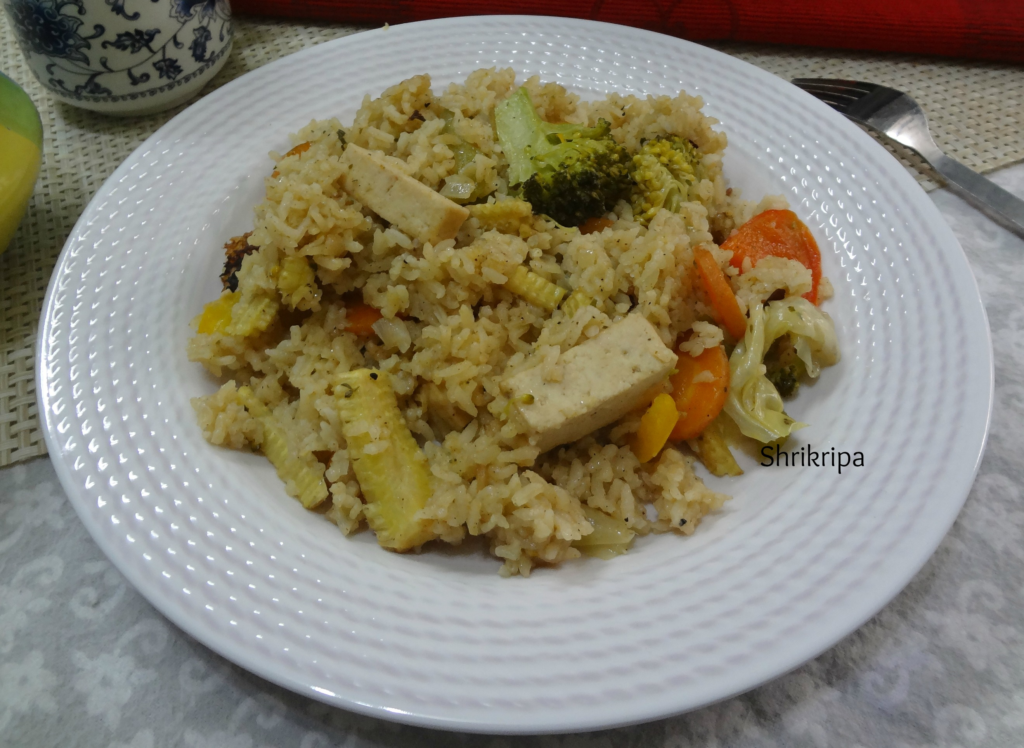
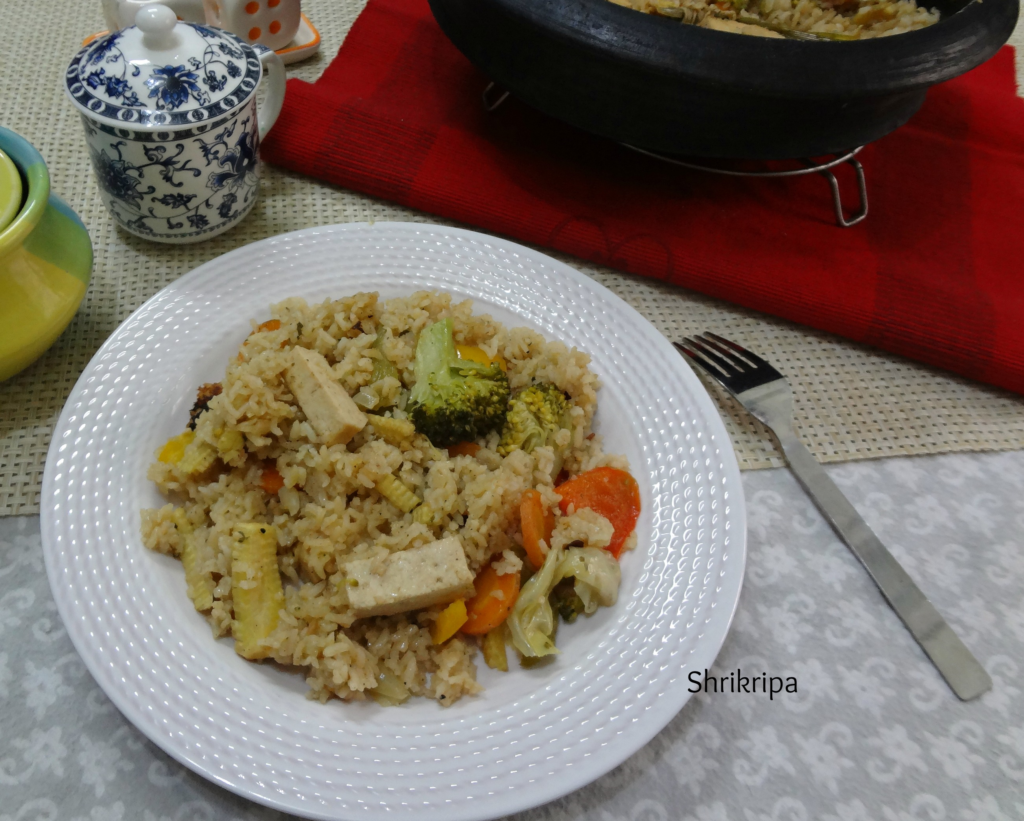
We relish Thai food, lemon grass flavour, one pot meals. Being a Mangalorean, we love our dose of coconut milk too. So, I tried my hand in creating Thai flavoured rice, using clay pot. The dish turned into a super tasty, mildly flavoured one pot meal.

pic main 2


Ingredients:

Rice – 2 cups (small grain rice/ Jeera samba variety)

Vegetables – 1 bowl

Tofu – 100 grams

Onion – 1 medium

Ginger – ½ inch

Thai chillies – 3

Lemon grass – 4 sticks

SPRIG MALACCA spice blend – 2 table spoons

Thick Coconut milk – I tetra pack or 200 ML

Water – 3 ½ cups

Salt – as required

Oil – 2 table spoons (any refined oil)

Sesame oil – 1 table spoon.

Clay pot – for cooking

Method:

– Wash rice and drain the water and keep aside.

– Chop vegetables according to your choice.

pic 1

– I have used Broccoli, cabbage, three colours of capsicum and baby corn.

– Chop onion, slice chillies, sliver ginger and keep aside.

– Make 3-inch pieces of lemon grass, make a bunch and tie it with a small piece of cord.

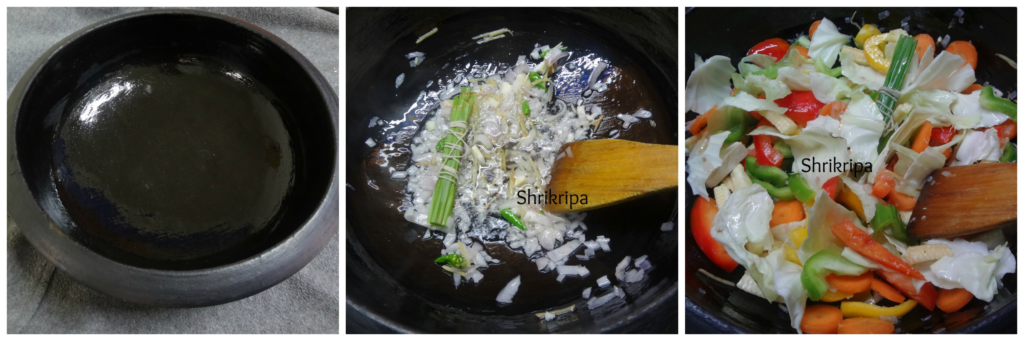
-Take a clay pot and smear it with Sesame oil.

– Sesame oil will act as a non-sticky coat for clay utensil while cooking for long.

collage 1

-Now take oil for seasoning. When it is hot, add onion, chillies, ginger, lemon grass and fry until onion is glossy.

-Add all the vegetables and fry for a while.

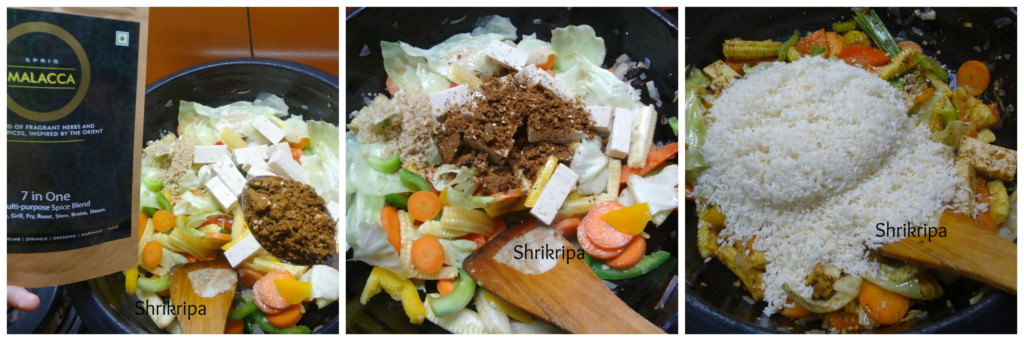
-Now add tofu, Malacca spice, salt and mix everything thoroughly.

collage 2

– Next proceed with addition of drained rice and fry for 2 minutes.

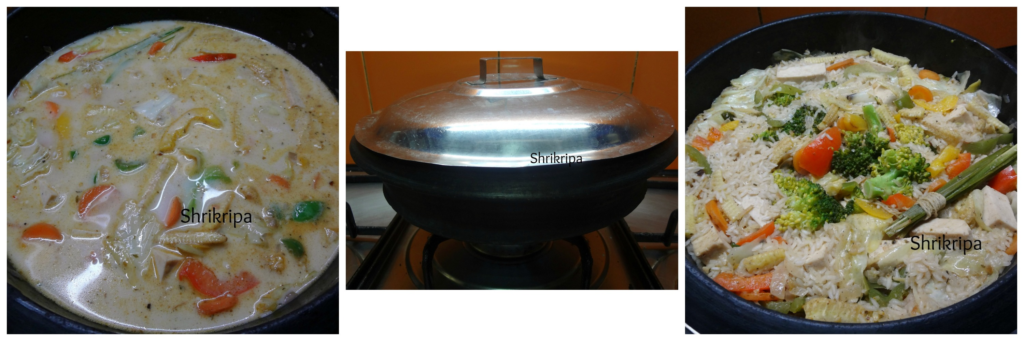
-Add coconut milk, water.

collage 3

-Cook the mixture by closing the lid, in a very low flame for 20 to 30 minutes or until done by mixing twice in between.

-Serve hot by discarding lemon grass sticks. (Used to enhance flavour, since they can’t be swallowed)

pic main 1

NOTE:

  • If Thai chillies are not available, one can use any variety of chilli.
  • I have used bird eye chilli.
  • If sesame oil is not there, one can use refined oil to smear the clay pot.

Spring Onion Akki Rotti:

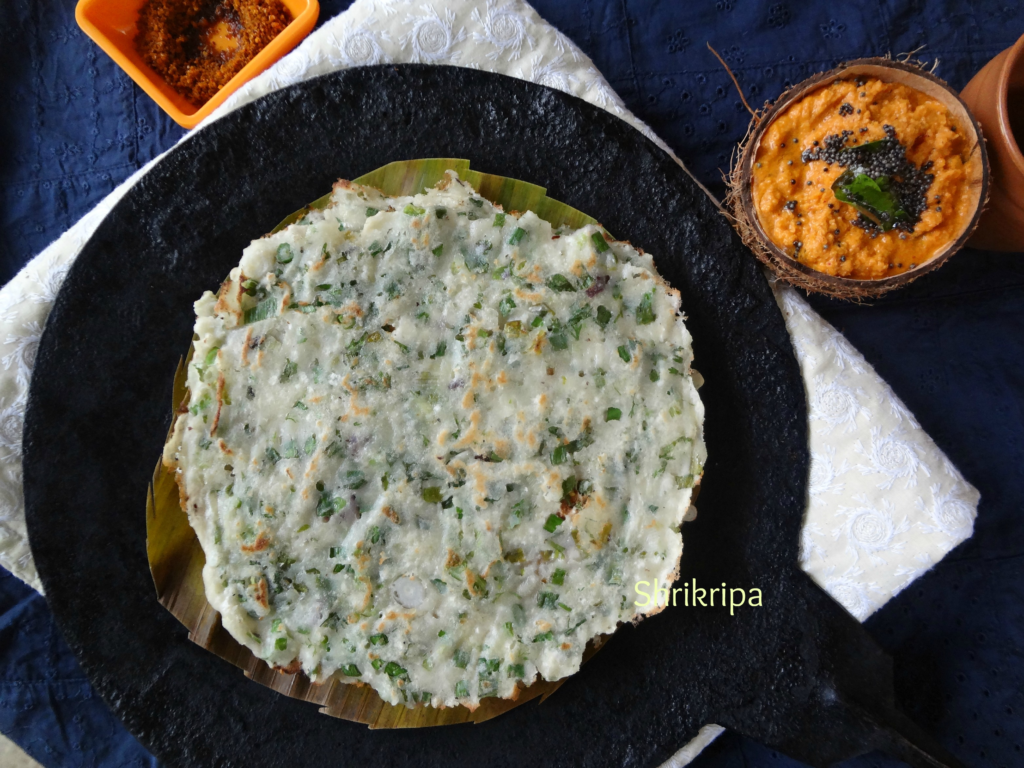
 Akki Rotti is a traditional Breakfast item of Karnataka. Usually it is prepared either by adding chopped greens, grated veggies or only onion. Here I have added chopped spring onion greens as well as bulbs, which is mixed with rice flour to form a thick pliable dough to make super tasty gluten free flat bread. I have served it with coconut and onion chutney, which we traditionally prepare in a Mangalore house hold.

pic main

Ingredients:

Rice flour – 3 cups

Spring onion -1 bundle

Green chillies – 2

Salt

Fresh Coconut gratings – 2 table spoons

Water – to bind

Oil – to fry the rotti.

Method:

  Wash and clean the spring onion and green chillies.

Chop green chillies, spring onion greens and bulbs finely.

 Take one wide steel bowl and mix in rice flour, chopped green chillies, spring onions, coconut gratings, salt.

 Make a pliable dough by adding sufficient water.

Keep it aside for 5 to 10 minutes to absorb all the seasoning as well as to soak.

 When you want to make rotti, take one piece of banana leaf or butter paper.

Take a little rotti dough in your moist hand, and start patting in a circular motion by dipping your hand in a water in-between.

Sprinkle one teaspoon of oil over this patted rotti and keep it ready.

 Heat iron griddle and cook oil sprinkled rotti by putting upside down on it.

After 2 to 3 minutes, peel off banana leaf or butter paper.

Sprinkle little oil over it and flip.

Cook and serve hot with Onion and coconut chutney.

Note:

-Keep one bowl of water in a reachable distance to dip your hand in-between.

-While patting the rotti, dip your hand in a bowl of water which you have kept aside.

– wetting your hand will help to avoid the dough sticking to your fingers while patting.


Ili Kivi leaves Tambli:

Emilia sonchifolia, Cupid’s Shaving Brush, Lilac tassel flower is locally known as Ili Kivi in Kannada. Sasasruti in Sanskrit and it is one among the “Ten sacred flowers of Kerala state in India, collectively known as Dasapushpam. It has been used in traditional medicine for the treatment of fever, sore throat, diarrhoea, eczema and as an antidote for snake bites.

The plant requires well drained soil and grows in open fields. it is an annual herb with weak and erect stems. Leaves are ovate or obovate. The flowers are pinkish purple in colour and usually blooms around July to October. Herb contains Calcium, Phosphorous, Magnesium, sodium and Potassium and some vitamins too. The herb is used as a folk medicine not only in India as well as China and some other parts of the world too.

collage 1

According to Ayurveda plant pacifies Kapha, vata and is effective in treating fever, tonsillitis; juice is a natural for eye diseases. It is also good in conditions like worm infections and allergy. Whole plant is crushed and the juice is extracted and is used to cure intestinal worms. The paste of the plant is useful for bleeding piles. A decoction of the plant is good in bringing down fever. The herb is useful in treating cough and bronchitis. Applying a paste on the thyroid region helps to cure the swelling in is sometimes used in cases of diabetes. (Details are from this website)

Whenever I come across this plant, I don’t hesitate to make use of it and usually prepare this Tambli for lunch.

pic 8

Ingredients:

Ili Kivi leaves – from one plant

Cumin – ½ tsp

Black pepper – 4

Bird eye chilli – 2

Ghee – 1 tsp

Coconut – ½ cup

Salt

Butter milk – ½ cup

Seasoning: ghee – ½ Tsp, cumin – ½ tsp, curry leaves – 1 spring.

Method:

-Wash leaves, Chop.

-take 1 tsp of ghee in a small kadai. When it is hot, add cumin , pepper and bird eye chilli. If you don’t have bird eye chillies, instead you can use half green chilli and roast. Then add chopped leaves and fry until it wilts.

– Now take out all these fried items and cool.     

collage 2

-Grind this into smooth paste by adding coconut, salt and little water.

-Put this into a vessel, add buttermilk, and adjust the consistency by adding little water if needed.

-Consistency should be like normal milk.

– Add seasoning by heating ghee, cumin and curry leaves.

– Enjoy this with hot rice.