Mango Jam:

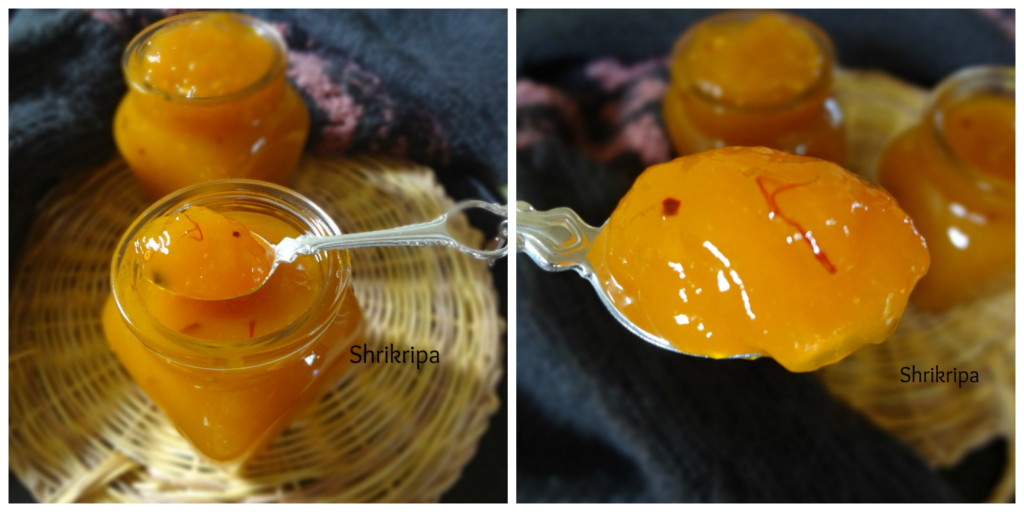
Who doesn’t love Mango? Unfortunately, all good things only last a while, but no worries, one can preserve mango by making some homemade jams to savour even after its season ends.!

I started making this Jam almost 3 years back and want to share my recipe before it vanishes from the market for this year. So, yesterday I made this and I’m sharing it with you all-

Thanks to my dear friend Poornima, who provides me with a whole lot of home grown organic Mango’s from their garden.
collage

Now I will proceed towards the procedure-

Ingredients:

Mango’s – 500 Grams

Sugar- 500 grams

Saffron – 8 to 10 strands

Red chilli flakes – 1 teaspoon

Method:

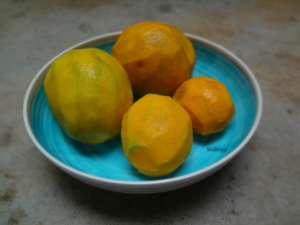
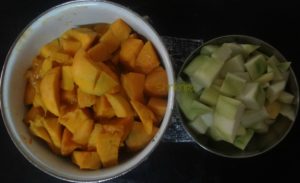
 Wash, Peel the mangoes and chop.

pic 1   pic 2

  Make puree by putting it in a mixer/ juice jar without adding any water.
pic 3   pic 4

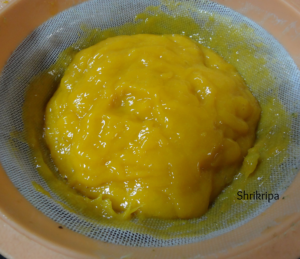
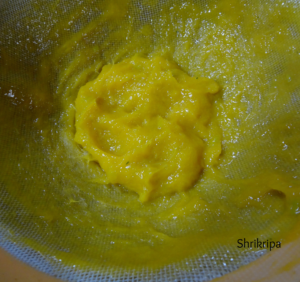
  Sieve this pulp to remove fibres (Here I have taken little fibrous home-grown variety)

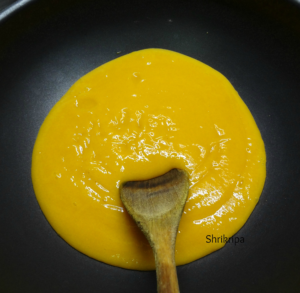
  Collect the smooth pulp and heat it in a low fire, until it starts boiling.

pic 5   pic 6

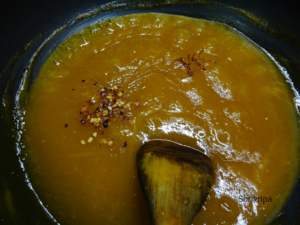
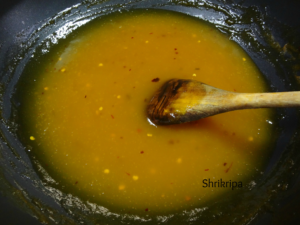
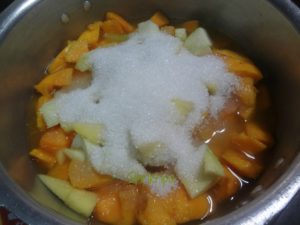
 Add sugar, saffron and red chilli flakes and cook until it is done.
pic 7  pic 8

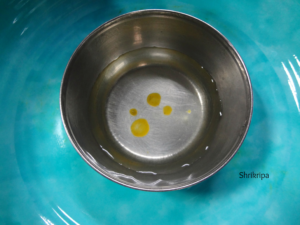
  To check the doneness, take some water in a small bowl, drop the cooked mixture in it, immediately it should form a thick mass. If it dissolves, then you should proceed cooking.

 When it is done, remove from the fire and cool completely.
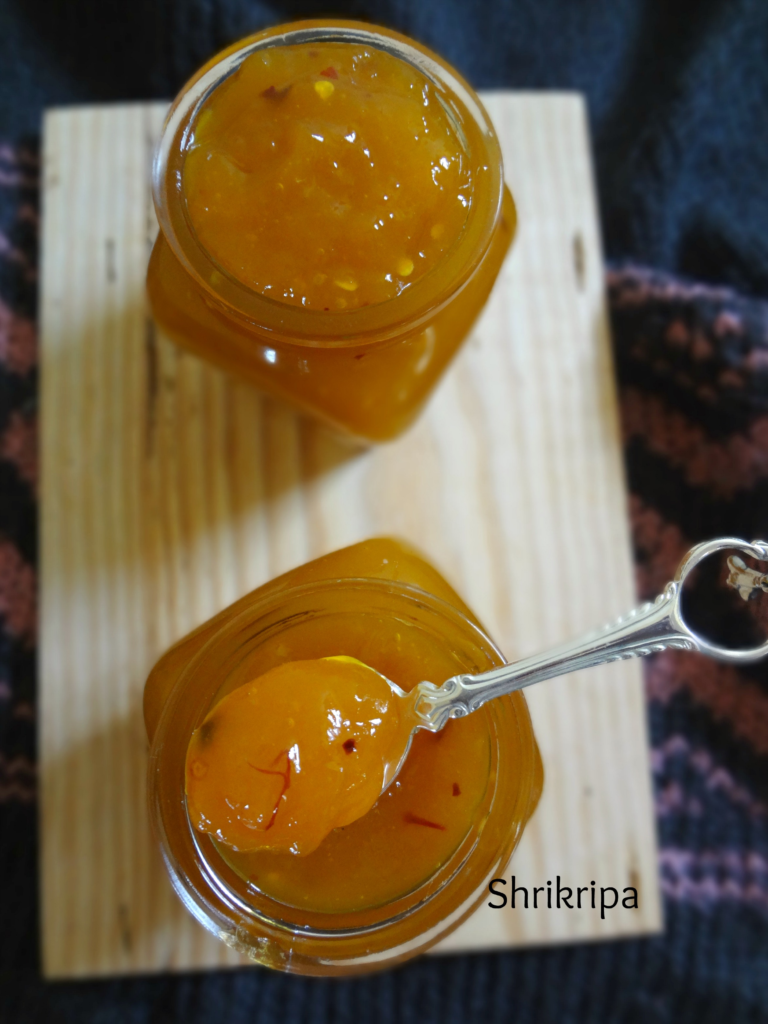
pic 10

 Store this in a clean, dry bottle and refrigerate.

NOTE:

-If you use very sweet mango, adjust the quantity of sugar.

-If you use Alphonso variety, no need of sieving and you can directly proceed towards cooking after making pulp.

– If Mango is very sweet, then add 1 teaspoon of lemon juice at the end to give little tangy taste.

Chocolate cake from Ghee Residue:

Ghee residue is a moist, brown coloured by-product formed after preparing ghee from white butter.

Ghee residue is a rich source of essential fatty acids, natural anti-oxidants and proteins.

In olden days, people used this as a natural body scrub. When I was a child, my mum used to rub this on me, before bath and I now feel nostalgic while seeing this brown sediment and so I make it a point to use this without throwing by using either in Atta kneading or in baking.

This time, I had a couple of Pea protein powder packs in my hand, which was given by my lovely co-sister who is a Ayurvedic doctor. So, I included that as well in this brownie kind of chocolatey cake.

pic main

Ingredients:

All-purpose flour – 1 cup

Whole wheat flour – ½ cup

Mixed millet flour – ½ cup

Choco chip – ¼ cup

Protein powder – ½ cup

Milk powder – ¼ cup

Cocoa powder – ¼ cup

Sugar – 1 cup

Ghee Residue – 2 table spoons

Milk – 1 ¼ cups

Vanilla essence- 1 tea spoon

Baking soda – 1 teaspoon

Method:

  • Measure everything and keep it ready. Pre-heat oven at 180 C.
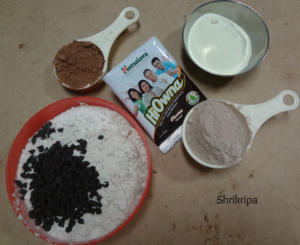
  • Mix all the dry ingredients like, flours, protein powder, milk powder, cocoa powder and sieve couple of times and mix in Choco chip and stir nicely. Keep it aside.
  • If you coat Choco chips with dry flours, it will not sink in the bottom while baking.
  • Now take ghee residue, put milk and heat it. When ghee residue is mixed nicely with milk, switch off the gas.

pic 2      pic 1

  • Add sugar, vanilla essence and baking soda and keep aside for 5 minutes.
  • After 5 minutes, beat this wet mixture thoroughly until mixture forms a bubble at the upper layer.
  • Fold in dry ingredient and make a batter. (don’t beat or over mix in this step)

pic 3     pic 4

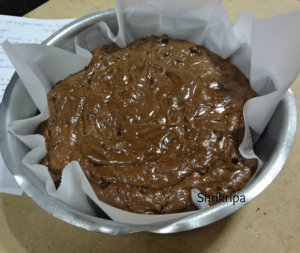
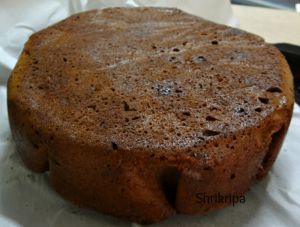
  • Bake this in a lined baking dish in a pre-heated oven at 180 C for 30 to 40 minutes or until done (when you insert a tooth pick or knife in the centre of cake, it should come out clean)

pic 5     pic main 1

NOTE:

-You can use only All-purpose flour or mixture of any flour.

-If you don’t have any protein powder in hand, instead of protein powder, use milk powder.

Sautéed Asparagus:

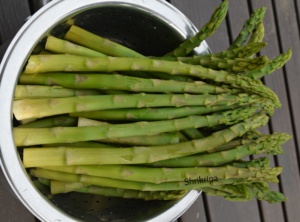
Asparagus is thin, pencil like green shoot. It is high in fibre and one of the most nutritious, food. Which is low in fat and calorie too.

Snap them at a natural breaking point and peel the outer tough fibre from the hard part and one can use this in any dish by slicing or as it is.

Asparagus is very delicious when it is sautéed or baked. It can be served as a “crunchy” side dish or salad.

Here in India, we don’t get plump variety and this time when I went to USA, in my sister’s house I tried this and it is much tastier than what we get it in Bangalore.

pic 9

Ingredients:

Asparagus – 1 bundle

Olive oil – 1 table spoon

Red chilli flakes – 1 tsp

Garlic salt – to taste.
Method:

pic 2

  • Wash Asparagus, snap them by hand at a natural breaking point.
  • If you want to use bottom woody part, remove outer fibre by peeling, either chop them or use inner core as it is in this salad or any other dish.

pic 4   pic 5

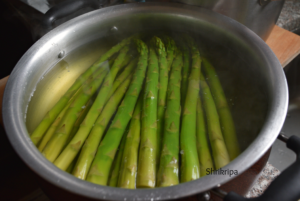
  • Bring a large pot of water to a boil, add asparagus, cook until it blanches. It hardly takes 2 to 3 minutes.
  • Drain and proceed to sauté.
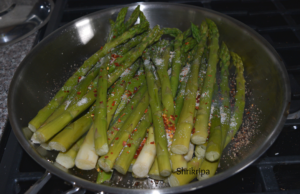
  • Take one tawa, put oil and heat.

pic 6   pic 7

  • Drop Asparagus, sprinkle garlic salt and red chilli flakes and toss until you see a charred look.
  • Serve hot.


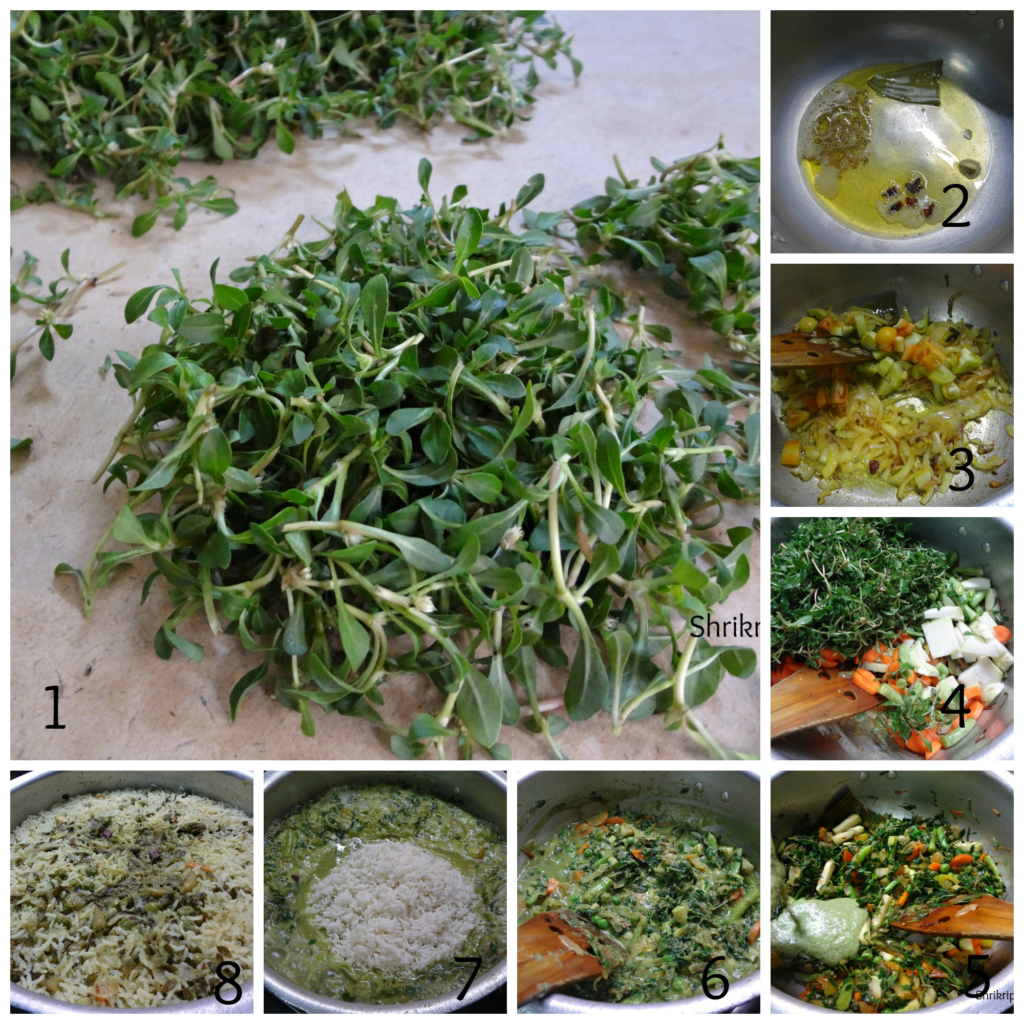
Honagone soppu Pulav:

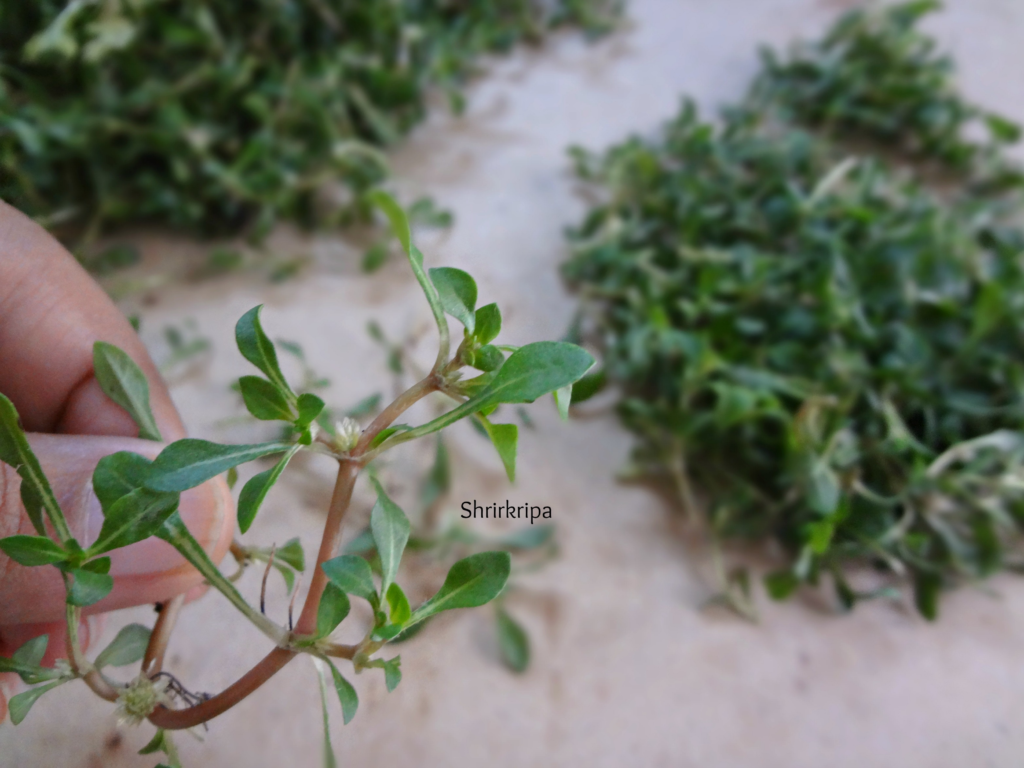
Honagone, Ponnangani, Sessile Joy weed or Alternanthera sessilis is a vegetable which is filled with many nutrients. It is a wild plant, spreads very well during or after the first rain. Tender leaves and stems are consumed as vegetable especially in South India.

pic 1

It has so many medicinal properties and is known for its diuretic, laxative properties. The plant is also used as an ingredient in the making of medicinal hair oils, and believed to be very good for eyes as well.

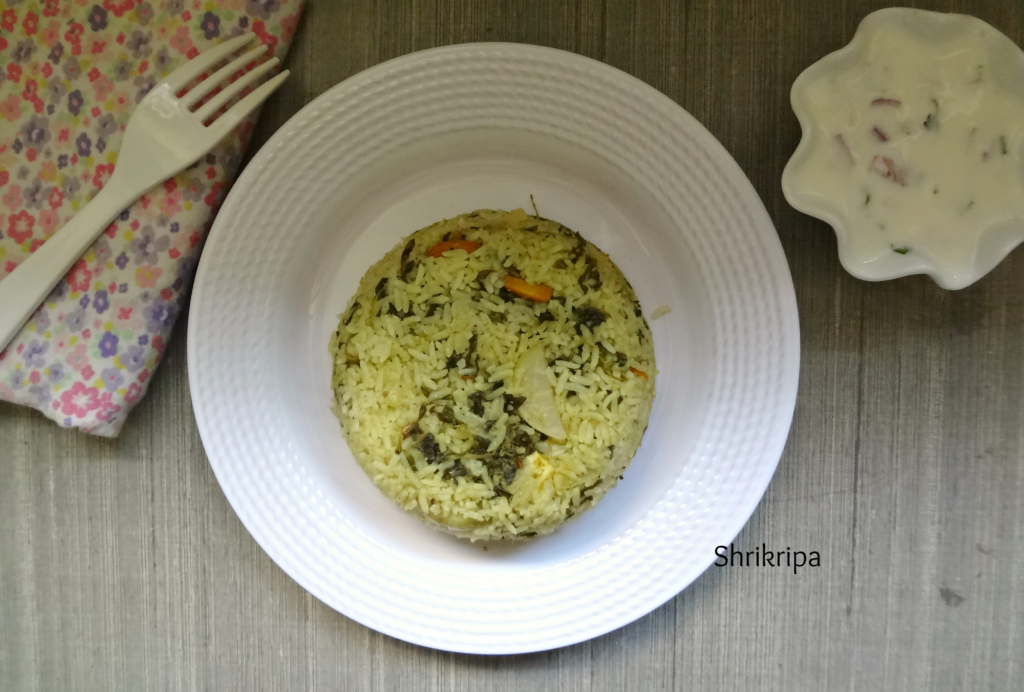
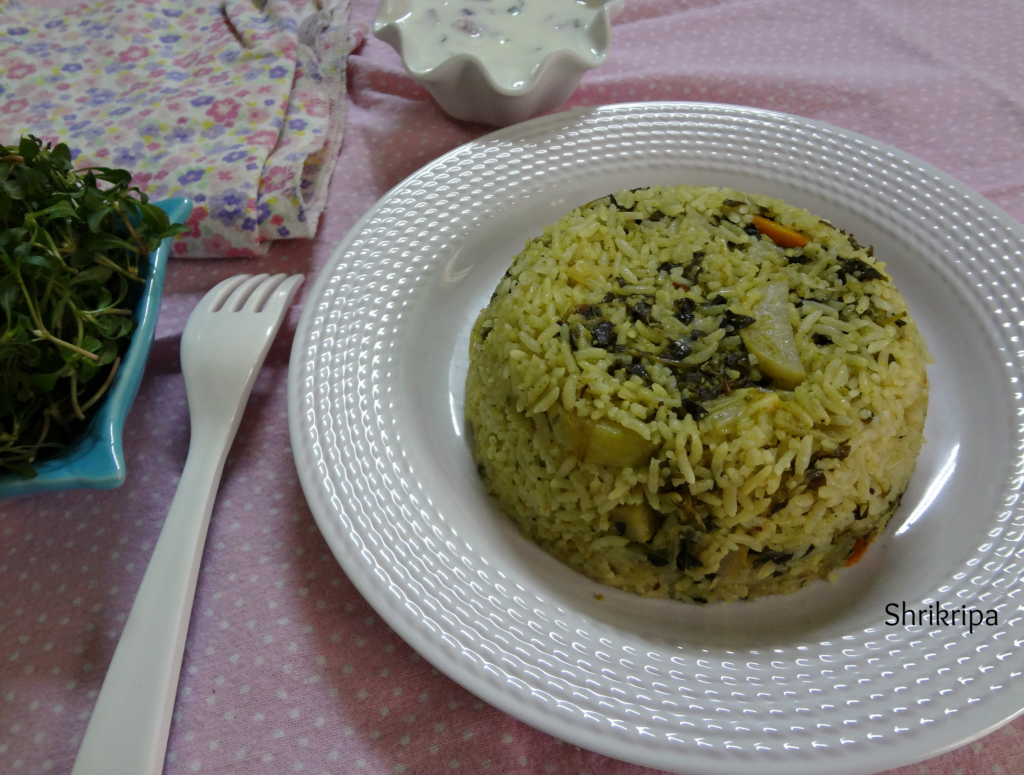
Usually I make use of these greens in various dhal preparation and this time I tried to make Pulav and it turned out well.

pic 10

Here is the recipe –

Ingredients:

Rice – 3 cups (took sona masuri variety)

Onion – 2

Tomato – 2 (small)

Turmeric – ½ tsp.

Veggies of your choice – 1 bowl

To make masala paste:

Coconut- 2 table spoon

Green chillies -4

Ginger – 1 inch piece

Garlic -7 cloves

Pudina – 2 table spoons

Coriander leaves – 2 table spoons

Whole Coriander – 1 tsp

Cinnamon – 1 inch

Pepper – 4

Clove – 2

Curd – 1 serving spoon

Seasoning:

Ghee – 2 table spoons

Bay leaf – 1

Mace -1

Cumin – 1 tsp

Method:

-Wash rice, drain and keep aside.

-Grind masala by adding all the ingredients under “To make masala paste”

– Slice onion and tomatoes.

– Take one cooker, add Ghee /clarified butter. When it is hot, put all the ingredients under “Seasoning”.

– Put sliced onion and fry until it becomes light brown. Add turmeric and fry.

-Add sliced tomatoes, sprinkle some salt. When it is done, add chopped veggies.

-Here I have taken beans, carrot, knol kohl, green peas and Honagone greens.

collage

-Fry all these until it becomes transparent. Add ground masala and fry for a while.

-Add salt and 6 cups of water (1:2 cups)

-When water starts boiling, add drained rice and cook this for 2 whistles.

pic 11

– Serve this with onion raita.

Kadu Mavina hannina Sasive / Wild Mangoes in coconut and mustard sauce:

Wild mangoes are known as Kadu mavina hannu in our local language. Which is very fibrous, tangy as well as sweet in taste. It has distinct taste, it is widely used in varieties of curries in our region. This particular curry doesn’t need any heating and is a perfect treat for summer. Usually we enjoy this with hot rice.
unnamed

Ingredients:

Wild mangoes -5-6

Salt – to taste

Jaggery – to taste

Fresh Coconut gratings – 1 bowl

Red chillies – 2

Mustard – 1 tsp

Seasoning: Coconut oil – 1 tsp, mustard – 1 tsp, Red chilli – 1, Curry leaves – little.

Method:

–  Wash wild mangoes, remove top part of the mango, remove outer skin and keep this in a separate vessel. Keep inner fruit part in another vessel.

unnamed (1)

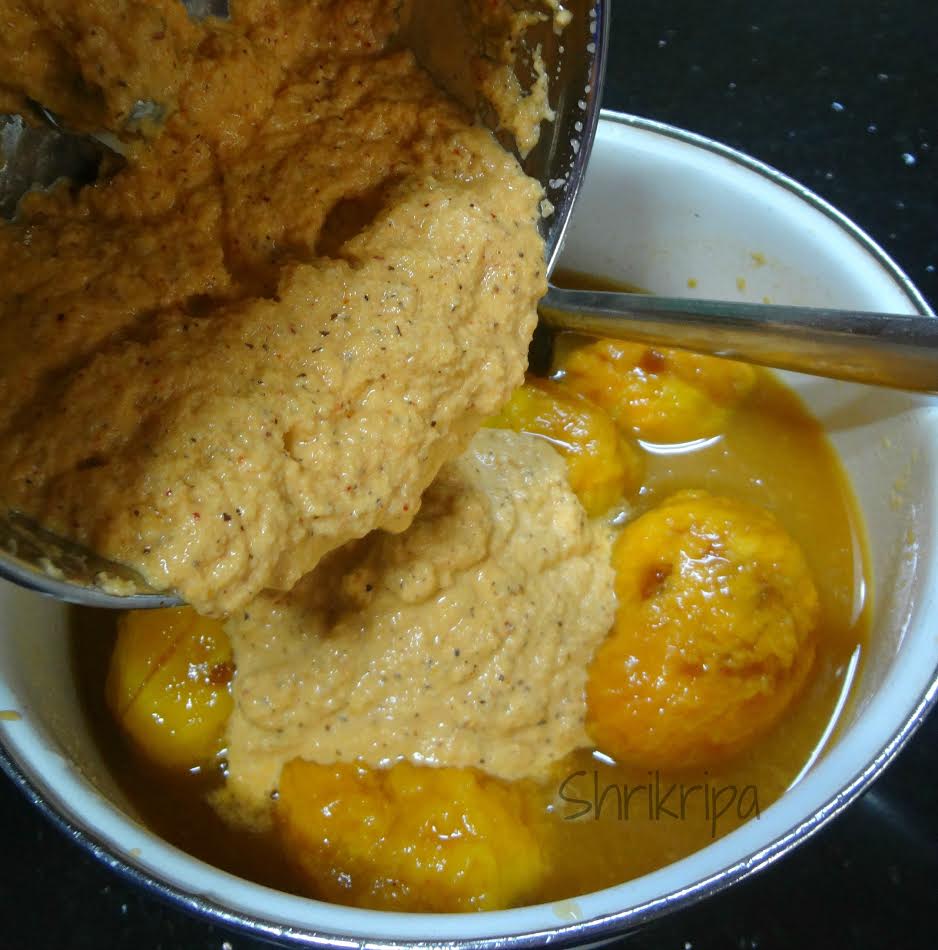
  Add one cup of water to outer skin, mash nicely, collect pulpy water and add this to fruit. Discard outer remaining skin. Add required amount of jaggery, salt and mix.

  Grind fresh coconut, mustard and red chillies to a fine paste by adding little water.(No need to roast Chillies and mustard)

  Add this ground paste to mango and check for the seasoning. If needed add some more grated jaggery or salt.

                      unnamed (2)

  Season by using coconut oil. When it is hot, add mustard, after it splutters, add red chilli and curry leaves, add this to mango curry.

  Enjoy this with hot rice.

NOTE:

-If you don’t have access to wild mango, don’t worry. Pick up any varieties of mango, peel the outer skin and chop the fruit into bite size pieces and proceed with above method.


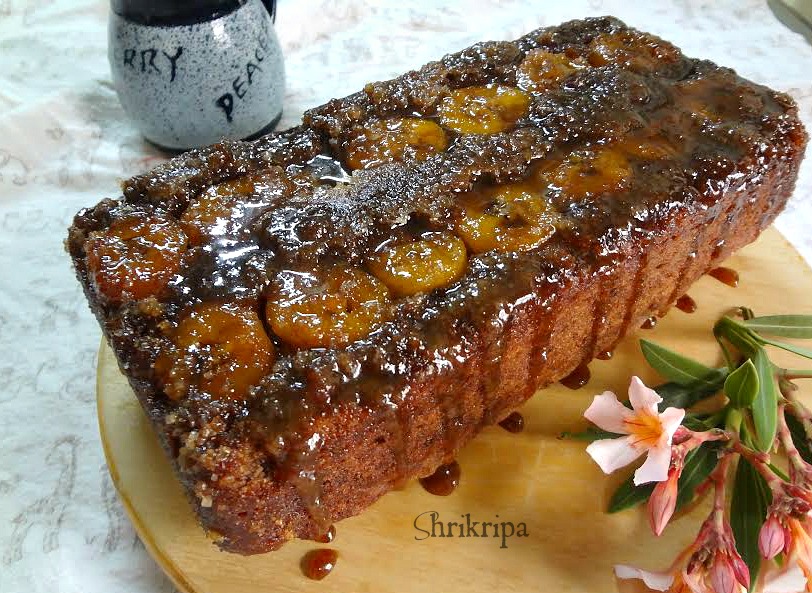
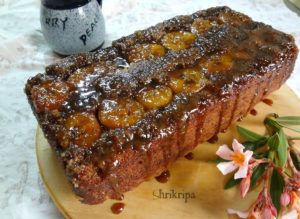
Plantain Upside down Cake:

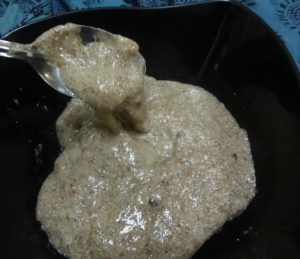
This is my trial in egg less as well as butter less baking. Here I have used raw flax seed gel as a replace for an egg as well as fat and it worked out just fantastic.

pic 1

Ingredients:

Finger millet flour/Ragi – 1 cup

Whole wheat flour –½ cup

Sugar – ¾ cup

Mashed banana – 1 cup

Flax gel – ½ cup

Baking powder – ¾ tsp

Cooking soda – ¾ tsp

Salt – ½ tsp

Cinnamon powder – one pinch.

Vanilla essence – 1 tsp

Curd – 1/3 cup to ¼ cup (according to requirement)

For Caramelized base:(Optional)

Brown sugar – ½ cup

Butter – 2 table spoon (chilled)

Banana roundels – As needed.

Method:

How to make flax gel: Take 2 tsp of flax seed, make powder. Put this powder in thick bottomed small pan, add one cup of water and boil until it is thick, slimy and reduced to almost half.

pic 3

-Now make banana slices (half inch thick), keep it ready.

– Take one baking tin in which you want to bake this cake. Brush some oil at the base. Spread brown sugar uniformly and take butter, make small cubes and place it here and there.

pic 4

-Place this in a pre-heated oven at 180C for 6 to 8 minutes until the sugar has melted. Remove from the oven, mix this liquid nicely and place banana roundels in regular intervals and keep aside.

– Now Take all dry ingredients like flour, baking powder, baking soda, salt, cinnamon powder and sieve together couple of times or mix using dry wire whisk.

– Now take another bowl, beat all the wet ingredients like, flax gel, vanilla, sugar, mashed banana

-. When it becomes frothy, fold in the dry ingredient mixture. If you feel this batter is too thick, then adjust the consistency by adding curds.

– Pour this ready batter to the cake tin in which you placed banana slices.

-Bake this in a pre-heated ready oven at 180C for 40 to 50 minutes or until done. If you insert knife, it should come out clean.

-Remove once it is done. When it is cool, de-mold and serve.

pic 1

NOTE:- Here I took caramel which was stuck on the base of the baking dish, put it in a microwave cup, re heated it and poured as a sauce to give saucy texture. (You can see that in the picture)

-If you want to make this as a vegan,avoid caramelized base.


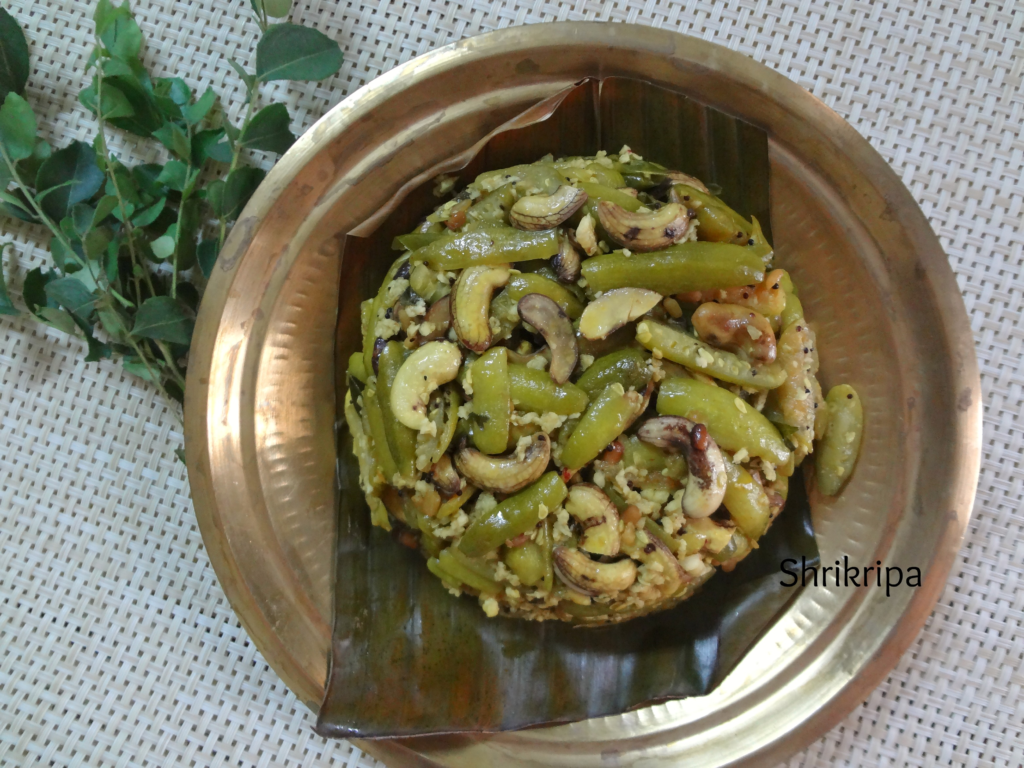
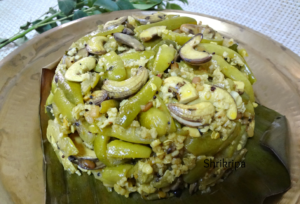
Thondekayi Ele Geru beeja Palya / Ivy gourd with Tender Cashew stir fry:

Vishu is one of the important festivals of Kerala and our coastal region. It comes in April and usually on 14th.Traditional rituals are followed to bring in prosperity and we (lady of the house) will assemble Vishu-kani at Pooja room. It comprises all the fresh crops, vegetables, rice, gold, money, flower and pot full of water and one mirror. On the festival day morning, after taking bath, family members will see this “Kani” and seek the blessings of the god and from the elders. Usually at this time of the year, fresh cashew crop starts and cashew is one of the main crops of our region. Only for this festival we pluck fresh raw green cashew and prepare either payasam or kheer with chana dal or cashew and ivy gourd dry curry. This particular side dish is a must in almost all the festivities and weddings. Which is a speciality of Mangalore region.

This side dish has no other masala’s other than green chilli and coconut flavour.

pic 2

Ingredients-

Ivy gourd – 500 gms

Tender cashew – 100 kernels

Green chillies – 3 to 4 (slit)

Coconut oil – 1 table spoon

Mustard seeds – 1 tsp

Red chillies -2

Urad dal – 1 tsp

Curry leaves – 2springs

Turmeric – ½ tsp

Salt

Jaggery – ¼ tsp.

Method:

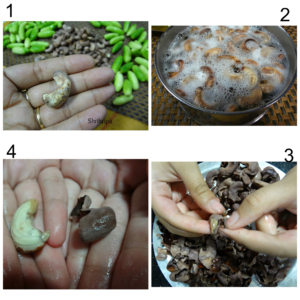
-At first we have to remove outer cover of the young cashew. Take one bowl, put all those young and raw cashew kernels into it, pour boiling water and keep it aside for 10 to 15 minutes by closing the lid.

collage

-When outer cover of the kernels swells, remove the outer cover and keep aside.

-Chop ivy gourd after washing it thoroughly. Make 4 lengthwise pieces of each gourd.

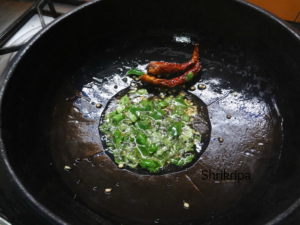
-Now take one thick bottomed kadai or clay pot, heat oil for the seasoning. Put mustard, when it splutters add urad dal, red chillies.

pic 3

-When urad dal becomes red, add curry leaves and slit green chillies and fry a little.

pic 4

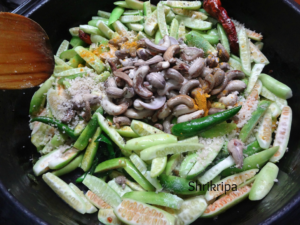
-Next, add chopped ivy gourd and cashew kernels, turmeric, salt, jaggery and fry until it wilts a little.

pic 5

-Now add one cup of water and close the lid and cook this in a low fire until it is done.

pic 6

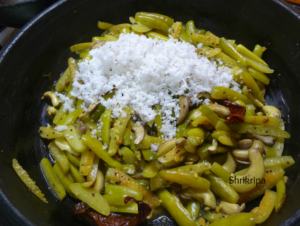
-Lastly add grated coconut and mix and cook until it is done.

pic 1

Note:

– One pack of Young cashew, that we get in the market has 100 kernels. In Bangalore, I get these from the Mangalore Store (all Mangalore stores will have it when it’s the season)

-If you are using regular cashew, cook the cashew first by putting water and salt in cooker for 2 whistles, drain the water and then proceed as above method.

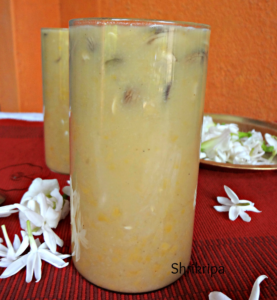
Homemade Maaza / Mango Juice:

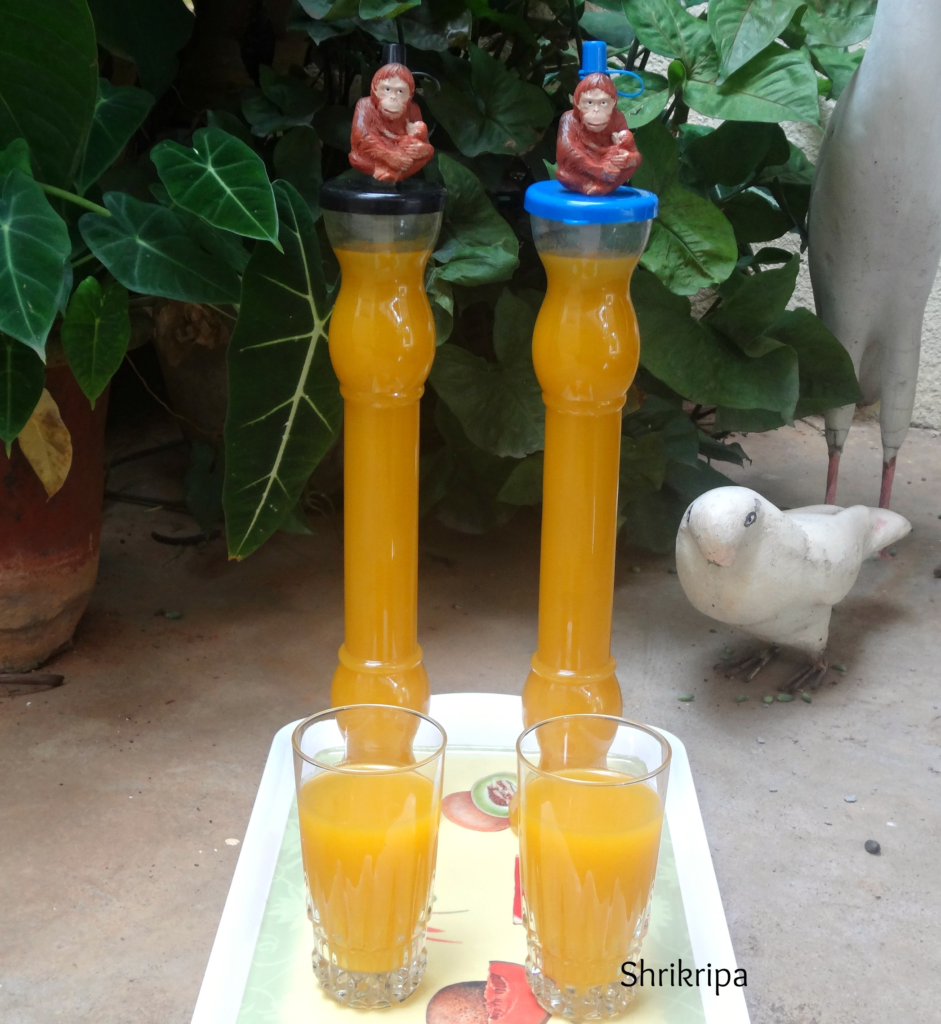
Hi all. Today I bring to you Homemade Maaza !

Everyone knows what maaza is, but now you can also make it at home without any artificial flavors or preservatives and it tastes exactly the same!

My kids love this very refreshing bottled drink.So, I tried it at home and I make it a point to prepare it every year in Mango season 🙂

main

Ingredients:

Ripe mangoes –    5

Raw (thothapuri) mango – 1 ½

Sugar – almost 2 ½ cup (according to taste)

Salt – ½ tsp.

Method : –

-Wash Ripe mangos and raw mangoes remove outer skin and chop it. Quantity should be 2:1 (ripe mango will be more and raw mango will be less).

pic 1

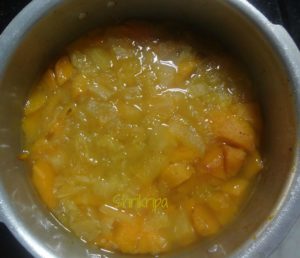
-Now take these chopped Mango pieces in the cooker, add around 2 cups of sugar, little water (up to mango pieces)

pic 2

-Cook this for two whistles, switch off the gas, when pressure releases, open the lid and cool the mixture.

pic 3

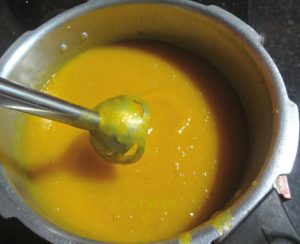
-When it becomes a little cool, blend this mixture by using hand blender or mixer grinder.

pic 4

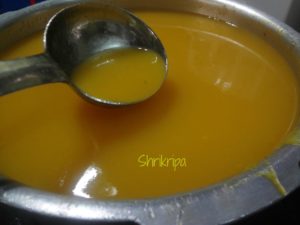
-Now add required amount of water (check thickness while adding ) till you get required amount of thickness like store bought maaza .

pic 5

  • After achieving required thickness, add salt, check for sweetness, if u feel u need some more sugar, add and mix nicely.
  • After all the adjustment ,take one vessel and sieve this mixture and discard the fiber part.

pic 6

  • Collect this smooth juice in a clean bottle and keep this for cooling in a fridge. Serve and enjoy this juice after cooling.

pic 7

  • I got 3 liters of juice with the quantities I specified.

Bitter gourd salad:

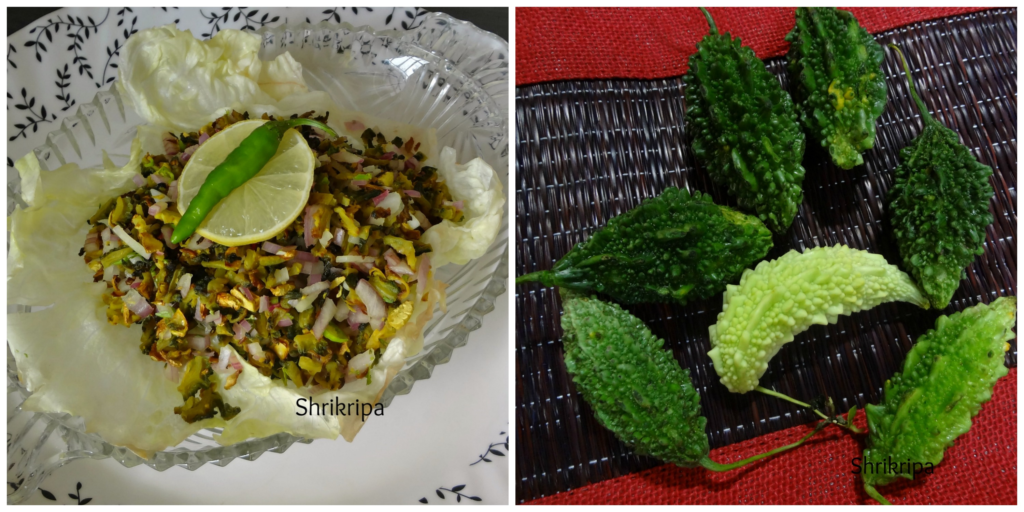
Bitter gourd is a very healthy vegetable and is considered as a therapeutic vegetable, used mainly in controlling diabetes and weight reduction in Ayurveda. I have come up with this recipe to utilise fresh produce from my terrace garden. We are a bitter gourd loving family and my daughters are very fond of gourd in any form. I usually make dry curry or tawa fry but I tried my hand at this salad and everyone loved this as a side dish with rice and yellow dal.

collage

Ingredient:

Bitter gourd – 2 to 3

Onion – 1 to 2 (chopped)

Green chillies – 3

Salt

Turmeric – ½ tsp.

Lemon – ½

Coriander leaves – 1 tbl sp (chopped)

Coconut Oil – 1 tbl sp.

Method:

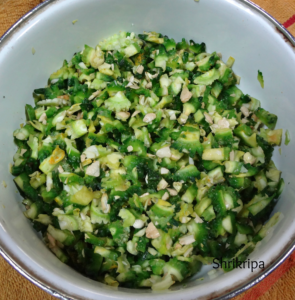
-Wash bitter gourd, make bite size pieces, including outer skin and inner seeds. Chop green chillies and put together.

– Sprinkle some salt, turmeric and mix nicely and keep aside for 10 minutes.

pic 2         pic 3

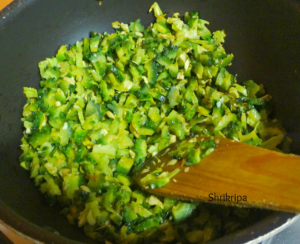
-Take one tawa, put oil. When it is hot, put marinated bitter gourd and chilli pieces and fry in a low flame until it is crisp.

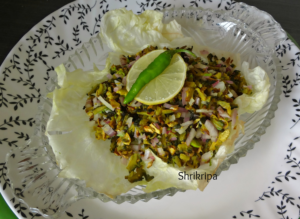
– Cool this mixture. Add chopped onion, some more salt, lemon juice and mix nicely and serve.

pic 5

-It is very simple to make and tastes really great with hot rice and dal.

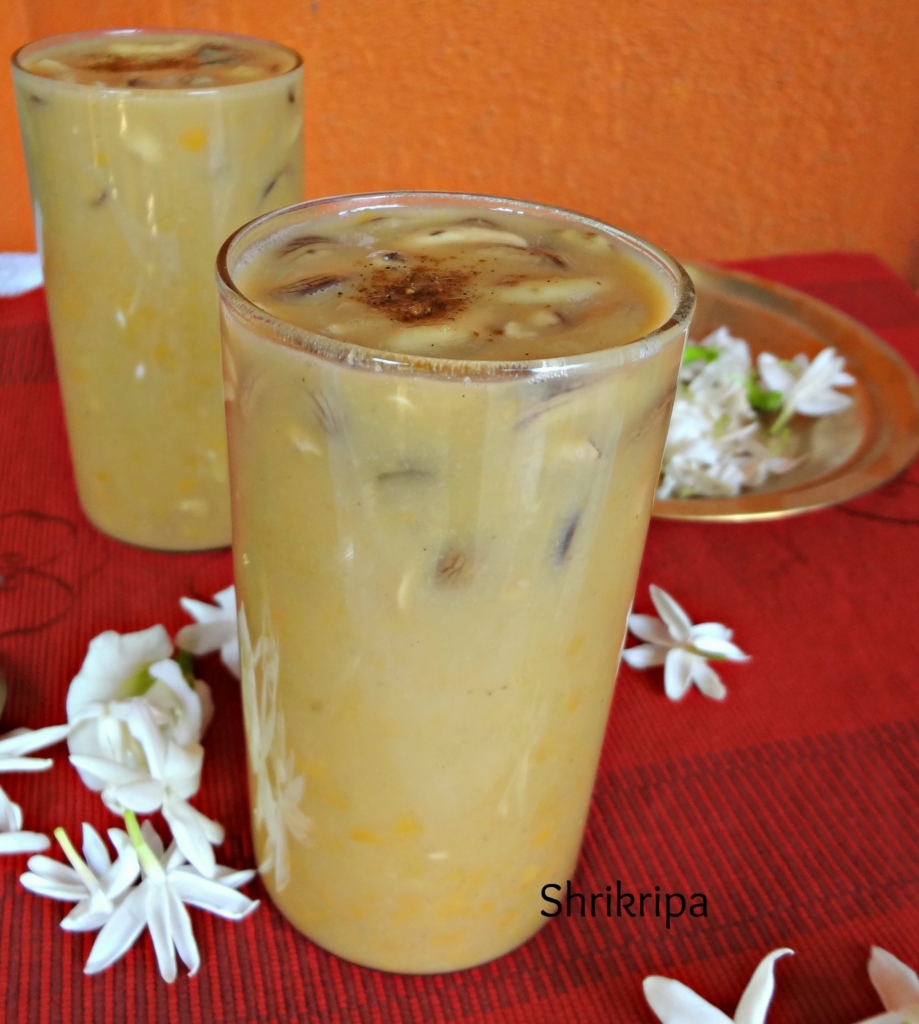
Kadle Bele –Gerubeeja Payasa / Chana dal and Cashew Kheer:

Happy Yugadi! Yugadi is celebrated as the beginning of a new year in India (but through different names). In Bangalore, we start this festival by eating neem and jaggery. Neem denotes the bitterness we face in life, and the jaggery represents all the sweet things of life. By eating the neem and jaggery together, it is a symbol of promising ourselves to face the bitterness and sweetness of life with confidence.           

In Mangalore, we celebrate this festival by savouring a kadle Bele (Bengal gram or chanadal) and gerubeeja (raw cashew) Payasa. It is a delicious dessert which is made more delightful because of the cashew nuts which are present in every spoonful.

pic main

We will see the procedure –

Ingredients:

Chana dal/Split Bengal gram – 1 cup

Whole raw Cashew – 1 cup

Coconut milk – 1 tetra pack

Jaggery – 1 ½ block (used Organic jaggery blocks)

Cardamom powder – ½ tsp.

Salt – ½ tsp.

Method:

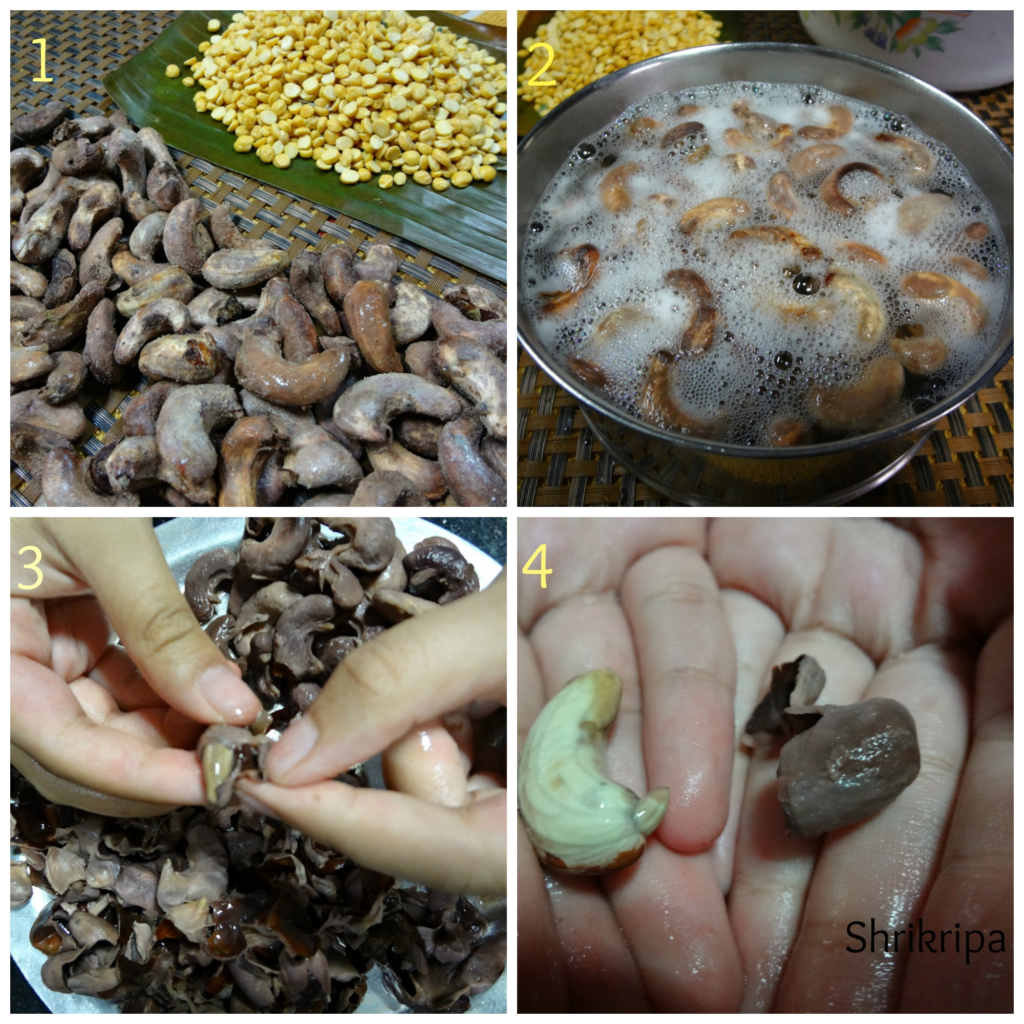
-At first we have to remove outer cover of the young cashew. Take one bowl, put all those young and raw cashew kernels into it, pour boiling water and keep it aside for 10 to 15 minutes by closing the lid.

-When outer cover of the kernels swells, remove the outer cover and keep aside.

collage 1

-Wash chana dal and cook this in a cooker by putting sufficient water for two whistles.

-Cook dal till it is perfectly cooked. Dal should be well cooked and easily crushed. Doneness is very important, after adding jaggery, dal becomes little stiff and firm.

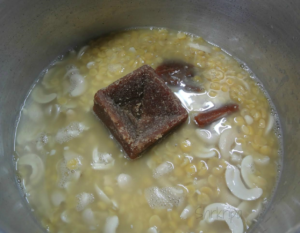
pic 2

– When its pressure relieves add cashew kernels and cook. After one whistle, switch off the gas and cool this.

-Now add salt and jaggery and boil till you get a nice aroma and till the raw smell of jaggery disappears.

pic 3

 – When it is done, add one tetra pack of coconut milk and give one boil. That is it. Garnish with powdered cardamom and enjoy.              

           pic 12              pic main

        Note: –

          If you don’t have access to raw cashew kernels, you can use regular cashew and you can cook this with Chana dal for 3 whistles and proceed by adding jaggery.

           If you are using fresh coconut for extracting milk, take grated coconut (from one coconut), add one cup of water and grind, and extract milk. (This is a thick extract and should be added at the end)

          Once again add little water and grind, to take out thin milk and you can add this while boiling jaggery.

          If you are using regular jaggery, at first self-boil this with little water, make a liquid and sieve this before adding to the kheer, to remove impurities.