Plantain stem curd curry/ Bale dindina pachadi :

Banana stem or Plantain stem is a rich source of fibre ,potassium and Vitamin B6 which helps to maintain a fluid balance within our body. Banana stem is diuretic which helps to detoxify our body and hence it is used extensively to treat kidney stone naturally.

Banana stem can be consumed in a raw form like Juice, Dosa ,curd based pachadi as well as plain Salad. We can make  Rasam, palya or sambar by cooking.

If you want to see a detailed pictorial guide for “How to chop Banana stem” you can refer this link .

Ingredients:

Plantain stem – 6 – 8 inch

Hing – a generous pinch

Salt

Curd – 1 cup

Green chillies – 2 to 3 ( we normally use Bird eye chillies)

Coconut oil – 1 tsp

Mustard – 1 tsp

Curry leaves – 1 spring

Method:

  • Slice plantain stem into discs, remove thread like fibre while slicing.
  • Chop the roundels into thin slices.

  • After slicing the roundels, stack 5 to 6 roundels one over the other and chop as desired. I usually make square small pieces for this salad.
  • Sprinkle salt, generous amount of hing and mix it thoroughly.
  • If you are using green chillies , chop them. If you are using bird eye chillies, use as it is.

  • Do seasoning, heat oil, splutter mustard, add chillies and curry leaves.
  • Add this seasoning over salad. Crush all the seasoning by using hand. This step would help to release the chilli flavour.
  • Add curd and mix. Serve as a side dish with Rice. It tastes good with Roti’s as well.


Fresh Turmeric Gojju:

Turmeric is a  popular spice of Indian Cuisine and we normally use it in powder form almost in all the recipes. In this time of the year, we do use fresh root in our kitchen. The fragrance of the fresh raw turmeric is very different than the powder. If you haven’t tried fresh turmeric root yet, this recipe is a delicious and refreshing way to get a taste of its earthy, sweet flavour of fresh produce.

Our ancestors had a really nice way to taking care of their health . According to the season, and depending on the local produce, they used to make and consume all the goodness of the nature in a natural way.  This recipe is one of them and it is  one of the age-old recipes which I learnt from my atte .

How it is made-

Ingredients:

Fresh Turmeric rhizome – 2 pieces

Coconut – ½ cup

Coriander – 1 table sp

Urad dal – 1 tsp

White sesame seed – ½ tsp

Red chilli – 3

Tamarind – 1 tsp

Salt

Jaggery – 2 table sp

Coconut oil – 2 tablespoons

Method:

-Clean the turmeric rhizome, grate and keep it ready.

-To prepare masala: Fry coriander, urad dal, red chilli and sesame seed in little oil. Grind this with coconut, into smooth paste.

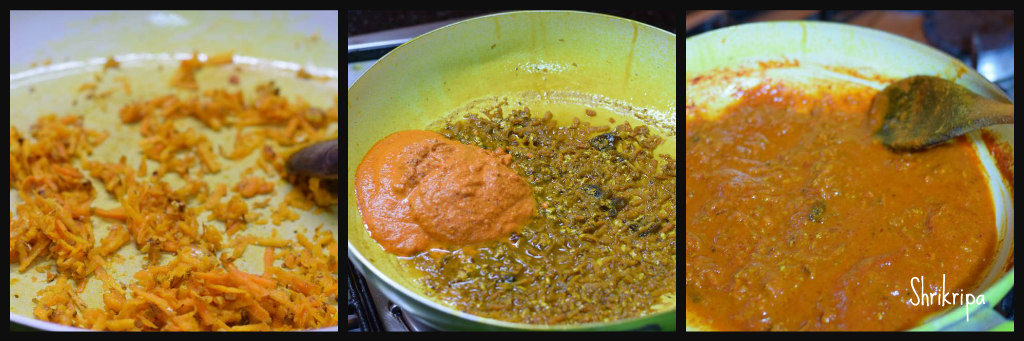
-Now take one tawa, pour oil, fry grated turmeric, add tamarind water, salt, jaggery and cook .

-When turmeric changes its colour, add ground masala. Check for the salt and jaggery.

-Boil this nicely, serve with Hot rice and ghee. It is indeed  pure bliss and oodles of goodness for your body.


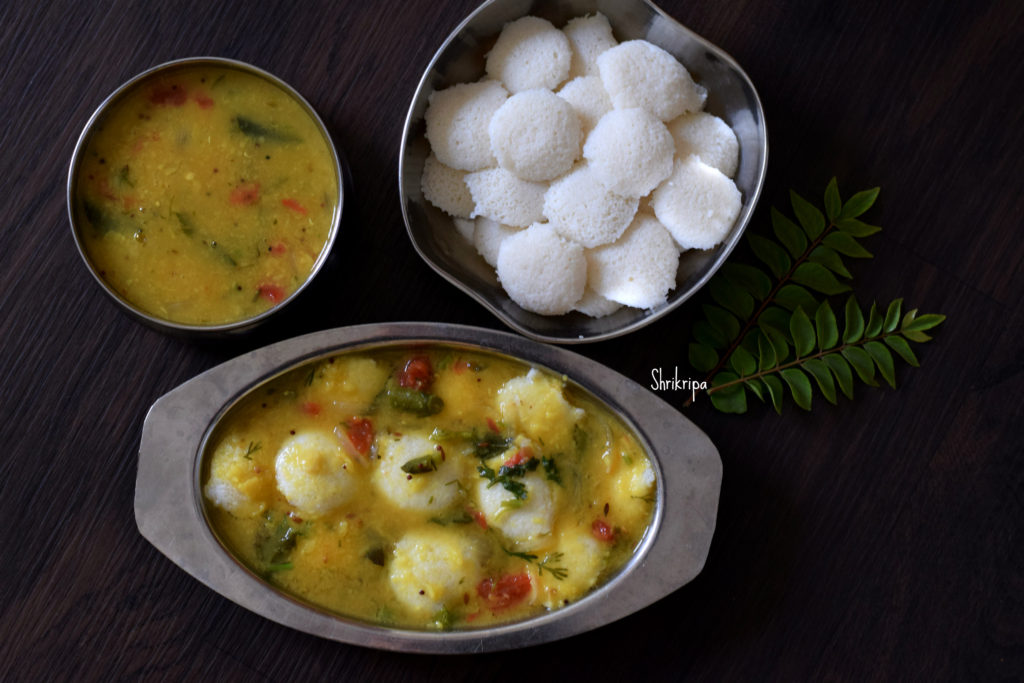
Idli soup /Side dish for Idlies :

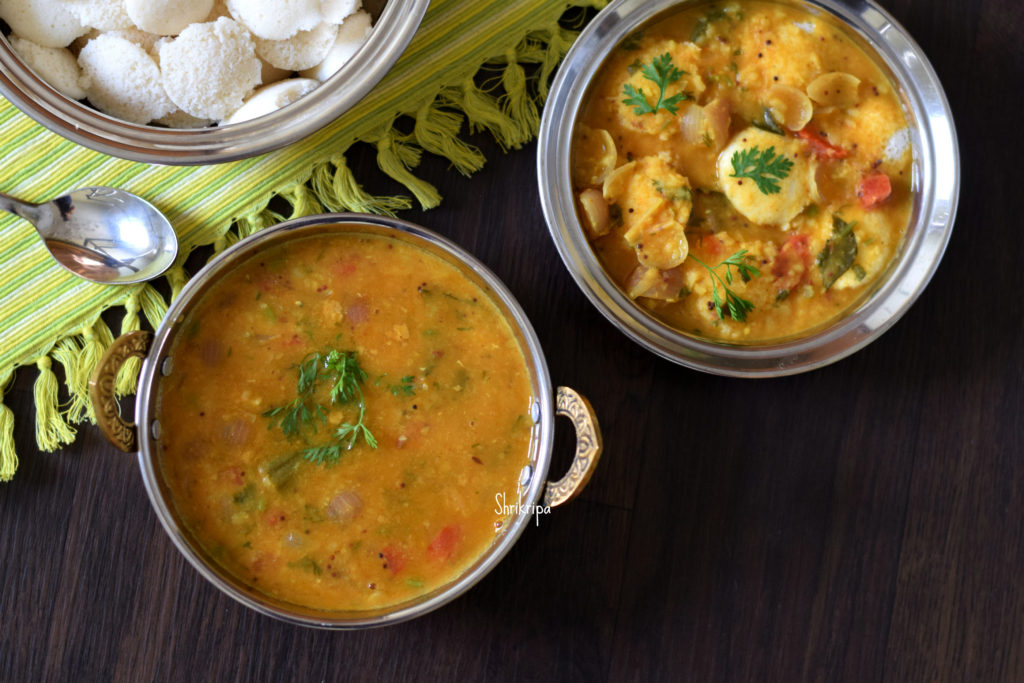
Idli dunked in hot dhal is known as Idli soup. Which is an ideal breakfast, especially when you are not well and craving for a soothing meal. It is one of our favourites too.

Here dhal is made by mixing Toor as well as Green gram / moong dal.

Ingredients:

Toor dal – ¾ cup

Moong dal – ¼ cup

Turmeric – ½ tsp

Ghee – 1 tablespoon

Mustard – 1 tsp

Cumin – ½ tsp

Hing – ¼ tsp

Curry leaves – 1 spring

Ginger julienne – 1 tsp

Green chillies – 2 to 4

Onion – 1 Small ( chopped )

Tomato – 1 small (chopped)

Lemon – (optional)

Method:

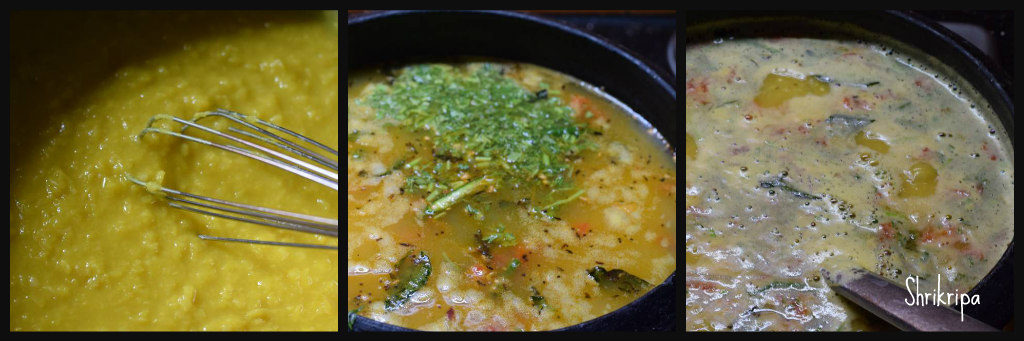
-Wash both the dals, cook by adding turmeric and water, mash and keep aside.

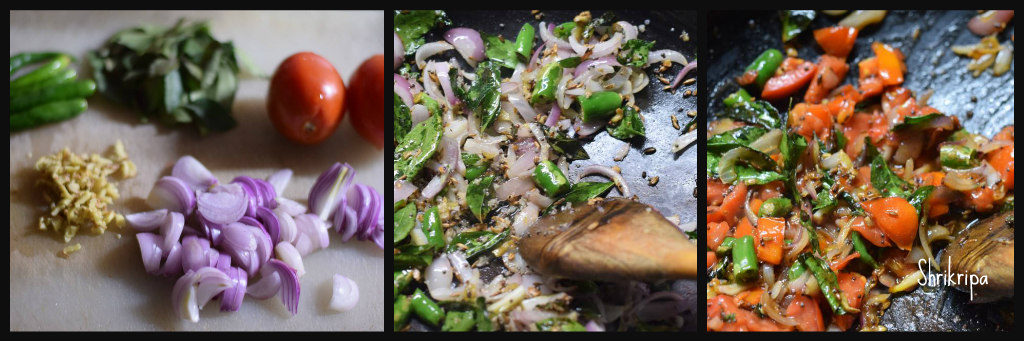
-Do seasoning: Heat ghee, splutter mustard, cumin, hing, curry leaves, green chillies, ginger, onion  and fry for a while.

-Add chopped tomato and fry further. Add mashed dhal, sufficient water ,salt, boil for a while.

-Garnish with coriander as well as little lime juice and serve with idlies .

Note:

-This dhal should be a little thin in consistency.

-Dunk idlies with soup and enjoy.


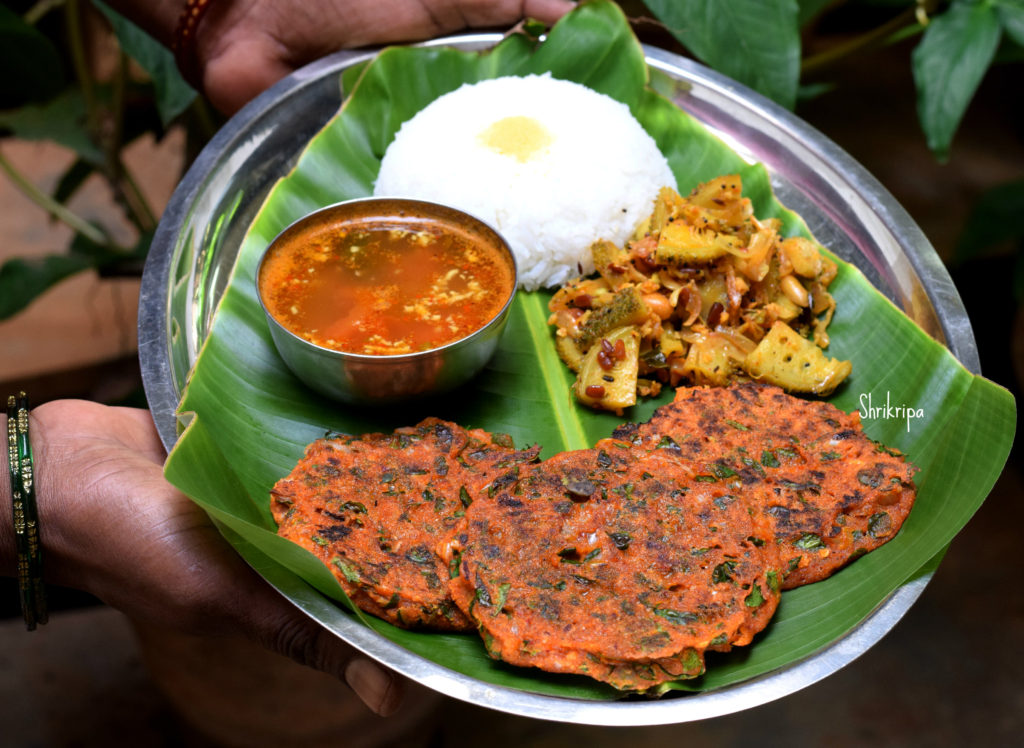
Nugge soppina Khara dosey/Moringa leaves mini dosa :

Mini dosas are traditionally known as “Sanna Polo” which is the tastiest side dish of Konkani community of our region. Basically, it is a red chilli and hing flavoured rice batter, with added goodness of any greens or chopped cabbage and chopped onion.

Here I have used chopped Moringa/ nugge soppu/ drumstick leaves which is a powerhouse of nutrients. Back in 2016  I had tried a bunch of moringa recipes to publish in Vijaya next kannada daily. Already I have shared Moringa powder and  Chutney recipe with you all and now we will see how to do a mini dosa.

Ingredients:

Dosa rice – 1 ½ cup

Byadagi chilli – 6 to 8 ( roasted)

Tamarind – 1 tbsp

Coconut – 1 cup

Jaggery – 1tsp

Salt – to taste

Turmeric – ½ tsp

Hing – peanut size

Moringa leaves – 1 bowl

Onion – 1 (big)

Method:

-Soak dosa rice for 2 to 3 hours after washing.

-Make a paste of chilli ,coconut, tamarind, salt, jaggery, turmeric, hing. Now add soaked rice and grind into small rava consistency.

-Add chopped onion and moringa leaves. Adjust the consistency by adding extra water.

-Batter consistency should be like idli batter. Start making dosas by heating iron dosa griddle.

-Pour little batter, don’t spread. Keep gas flame in simmer, spread coconut oil ,close the lid and cook.

-When one side is cooked, flip and roast another side. Serve as a side dish with Rasam rice, dhal rice.

Note:

-To get an authentic taste, use a coconut oil.

Pirandai Thogayal/Adamant creeper Chutney:

Pirandai is a creeper. It is called as Adamant Creeper / Devils Back Bone / Veldt Grape “ in English. Botanically known as Cissus Quadrangularis. Which refers to plants quadrangular sectioned  branches with internodes of 8 to 10 cm in length and 1.5 cm wide.

It has many names in different parts of our country. In Sanskrit: Asthisamhari, Vajravalli, Asthishrinkhala ,Kandavalli ,Vajrangi . In Hindi: Hadjod ,Hadjora ,Hadsankari Kandvel. In Kannada: Mangarahalli . In Tamil: Pirandai ,Vajravalli . In Malayalam: Peranta ,Cannalamparanta. In Telugu: Vajravalli ,Nalleru. In Gujrati: Chodhari , Hadsankal.

Adamant Creeper is a very well-known traditional herb in ancient ayurvedic medicine. which was used in setting bones/ bone fracture healing , gastric ulcer , piles ,anaemia ,menstrual problems as well as in de worming. It is a good source of Vitamin C and Calcium. Usage of the herb is usually by making Chutney or Kolambu or sundried and in powdered form.

If person wants to take it as a healing food, one should consume it weekly twice and mix with a little ghee either with hot rice or with Roti.

Till two years back, I had no idea regarding this plant or its usage. Due to our Foodie Facebook page, got to know about it. My Foodie friend Ashwini shared the plant cutting with me and guided me through. From then on, my experiments went on and I tried out many recipes. The chutney that I make and like is without coconut, mainly because it stays longer and can enjoy for many days. Here I will share both the version.

Pirandai has to be treated like Colocasia leaves and Yam. It is itchy in nature even while cutting as well as till the last stage of its cooking. So, quantity of tamarind plays a major role while cooking and application of oil to your hand will avoid itching while cleaning and chopping. One more thing what I have observed is, before using  keep it for one day ,after harvesting. This also helps in reducing the itchiness.

Now we will see the Thogayal/Chutney preparation:
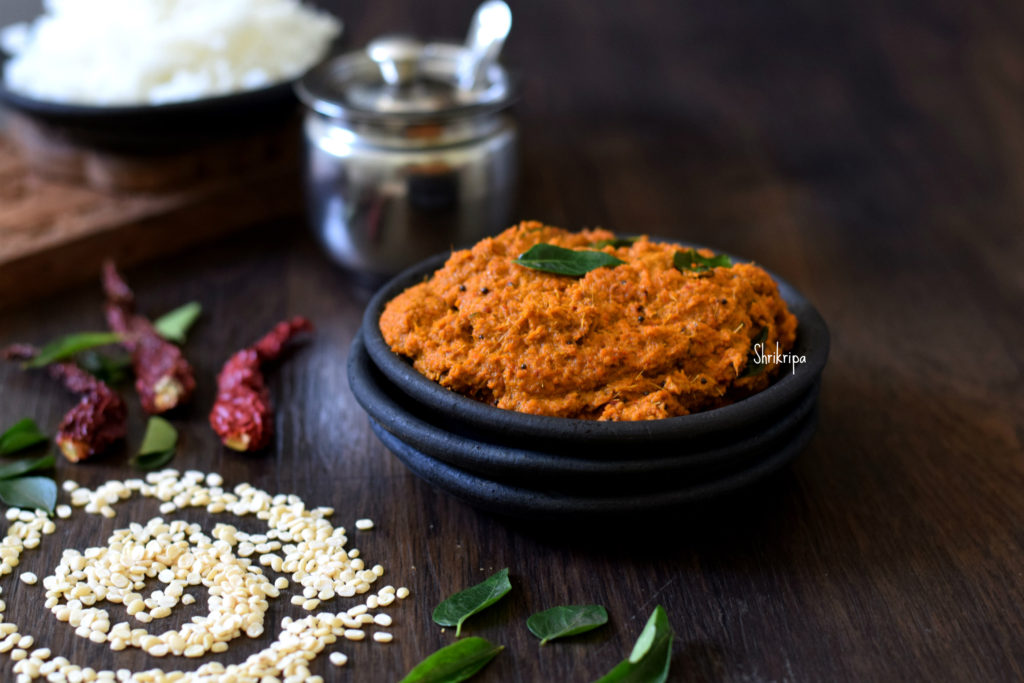
Ingredients:

Pirandai – one bowl

Tamarind – lemon sized ball

Gingelly oil – 1 tablespoon

Urad dal – 1 tablespoon

Hing – ¼ tsp

Dried red  chillies – 3 to 4

Salt

Jaggery – 1tsp

For Seasoning:

Gingelly oil or any refined oil – 3 to 4tablespoons

Mustard – 1 tsp

Curry leaves – 2 springs

Method:

-Apply oil to your hand, cut every node and take out internal sticks, peel outer 4 corners and remove all the fibres.
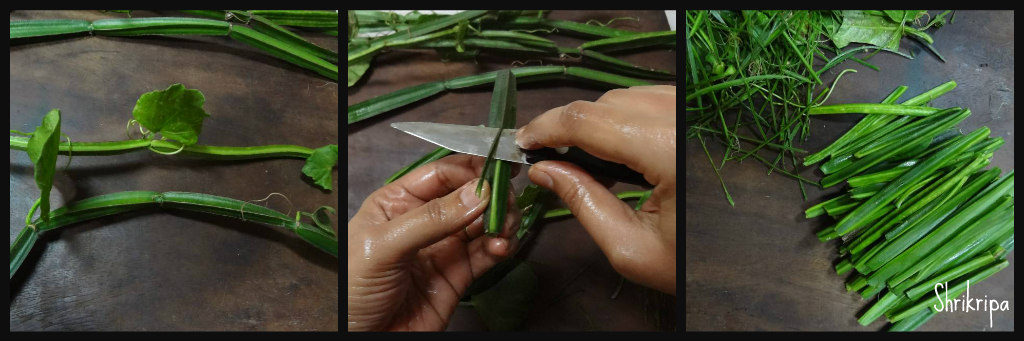
-Take diluted buttermilk water (add little curd to water and make) and wash these cleaned Pirandai nicely.
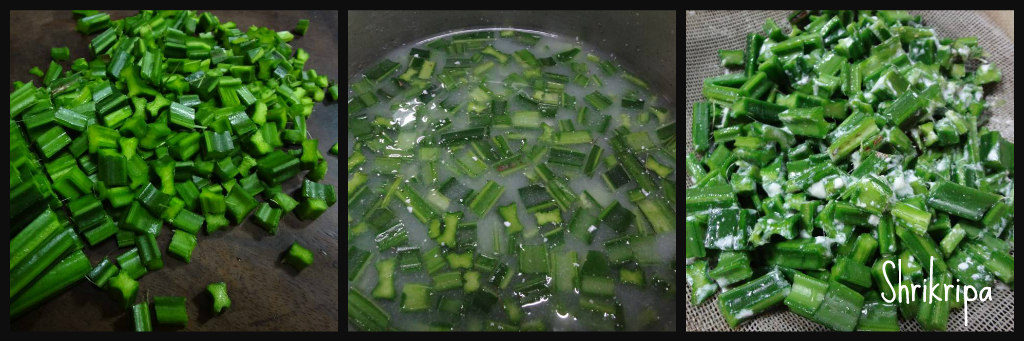
-Chop these sticks into tiny bits and immerse in diluted buttermilk or tamarind water.

-Soak tamarind in a little water.

-Now drain the water from chopped Pirandai and keep it ready for the seasoning.

-Now take 1 tbl spoon of oil, fry urad dal ,hing and red chillies. Add Pirandai choppings, fry until it is soft and turns pale in colour.
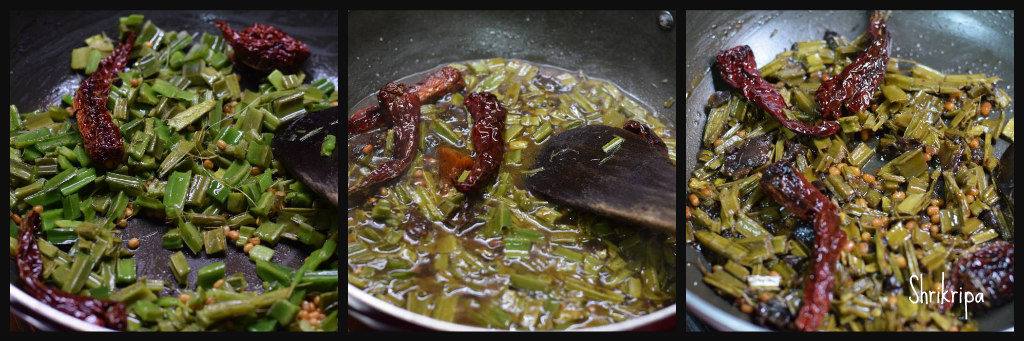
-Add tamarind water, salt, jaggery and cook until it is soft.

-Cool the mixture and grind into smooth paste by adding required amount of water. If you want to add coconut ,you can add coconut as well, while grinding .
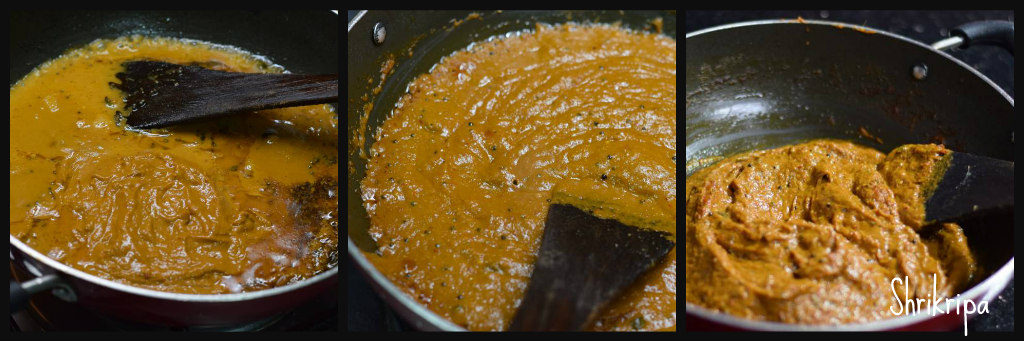
-Now prepare seasoning , take 2 to 3 tablespoons of oil , splutter mustard, curry leaves, add ground paste and boil until oil oozes out at the sides.

-Serve with hot rice , dosa or idlies. It can be stored for many days under refrigeration.

Note: Main picture is (with added coconut)



Kadu Mavina hannina Hasi Gojji/ Wild Mango Gojju:

Wild mangoes are known as Kadu mavina hannu in our local language. Which is very fibrous, tangy as well as sweet in taste. It has distinct taste; it is widely used in varieties of curries in our region. Hasi Gojju is nothing but, raw form of curry. Which can be prepared in a jiffy and doesn’t need any heating and is a perfect treat for summer. Usually we enjoy this with hot rice as well as devoured like a dessert :D. In Mango season, we do prepare varieties of curries like Sasame or Sasive, saaru and Gojju are the most loved dishes of our region.

Ingredients:

Wild mangoes -5-6

Salt – to taste

Jaggery – to taste

Green chillies – 1 or 2

Seasoning: Coconut oil – 1 tsp, mustard – 1 tsp, Red chilli – 1, Curry leaves – little.

Method:

  • Wash wild mangoes, remove top part of the mango, remove outer skin and keep this in a separate vessel. Keep inner fruit part in another vessel.

  • Add one cup of water to outer skin, mash nicely, collect pulpy water and add this to fruit.
  • Discard outer remaining skin. Add required amount of jaggery, salt and crush green chillies by using your hand.
  • Mix everything, check for the seasoning. If needed add some more grated jaggery or salt.
  • Season by using coconut oil. When it is hot, add mustard, after it splutters, add red chilli and curry leaves, add this to mango curry.

  • Enjoy this with hot rice.

NOTE:

-If you don’t have access to wild mango, don’t worry. Pick up any (little sour) varieties of mango, peel the outer skin and chop the fruit into bite size pieces or mash a little and proceed with above method.


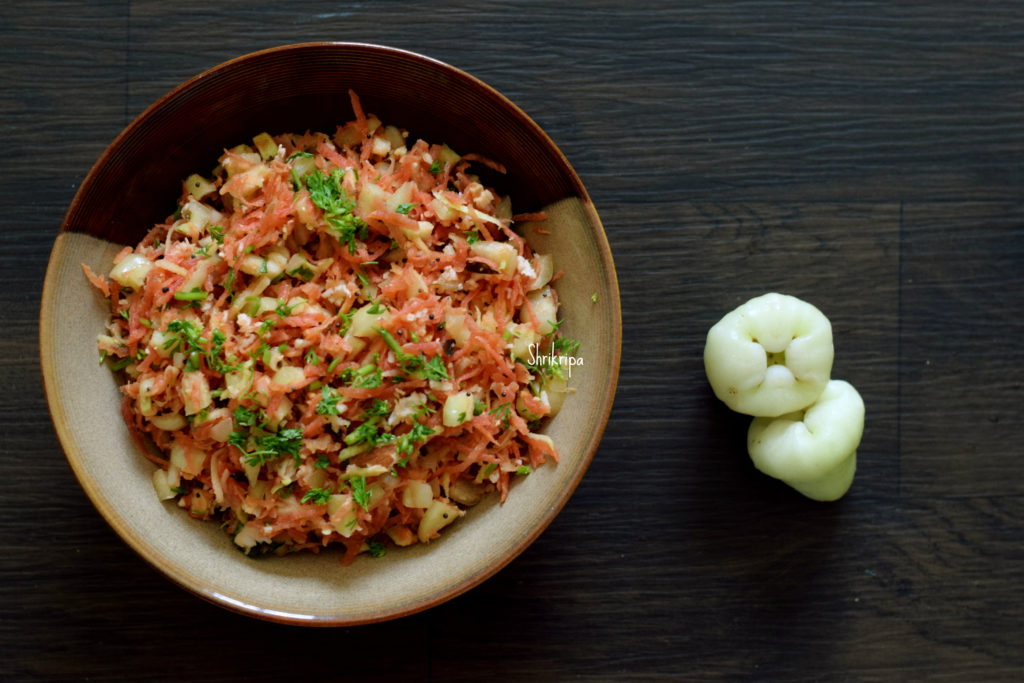
Carrot – Bell fruit Kosambari /salad:

When you have abundant supply of home-grown Bell fruits in Summer, you tend to use it in anything and everything for sure 😀

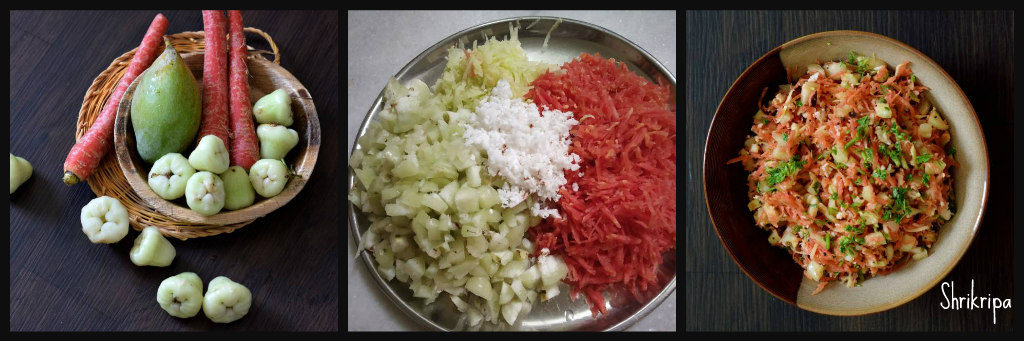
Bell fruit has many names like Java apple, Wax apple, Water apple, Syzygium, Jambi fruit or Jambu nerale. I normally prefer to use local, easily available and pesticide free stuffs as much as possible. I have shared the juice recipe before and now I am sharing one salad or commonly known as Kosambari in our local term. Which is “no onion and no garlic” and ideal for any fasting or festivities.


Ingredients:

Carrots – 2 (red or normal)

Bell fruit – 10 – 12

Salt

Raw mango or lemon – as needed

Grated coconut – 2 table spoons

Coriander leaves – 1 table spoon (chopped)

Seasoning:

Coconut oil – 1 tea spoon

Mustard – 1 tsp

Hing – ¼ tsp

Green chilli – 1 or 2

Curry leaves – 1 spring

Method:

-Grate carrots, chop bell fruits into very small chunks.

-If you are using raw mango, grate and add or else use lemon juice.

-Mix in coconut, coriander leaves, salt.

-Now prepare seasoning, heat oil, splutter mustard, add chopped green chillies, curry leaves fry for a min and add it to the salad bowl and mix everything and check once.

– Serve as a salad or as a Kosambari /side dish for lunch.


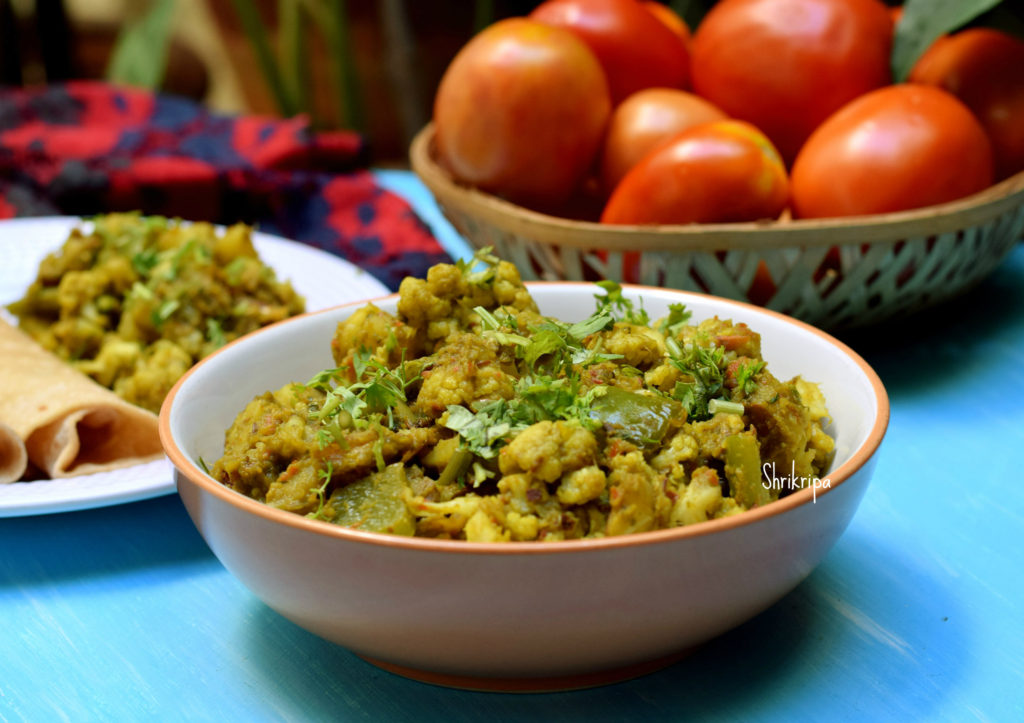
Mixed vegetable with spinach:

Sweet potato is a versatile veggie and it blends very well with any veggies. Made this side dish to use my little harvest of spinach and Sweet potato by mixing with seasonal favorite cauliflower to make it attractive. 😉 . It is a perfect healthy side dish for Roti’s.

How I do-

Ingredients:

Spinach – one bundle.

Cauliflower florets: one bowl (cleaned, washed)

Sweet potato – one bowl (washed and chopped)

Capsicum -1

Tomato – 2 to 3

Green chillies -2

Ginger – 1”

Oil – 2 tbl sp

Hing – ¼ tsp

Cumin – ½ tsp

turmeric – ½ tsp

Coriander powder – 1 tsp

Salt 

Black pepper – 6, cloves -3, cinnamon – ½ “, cardamom -2

Method:

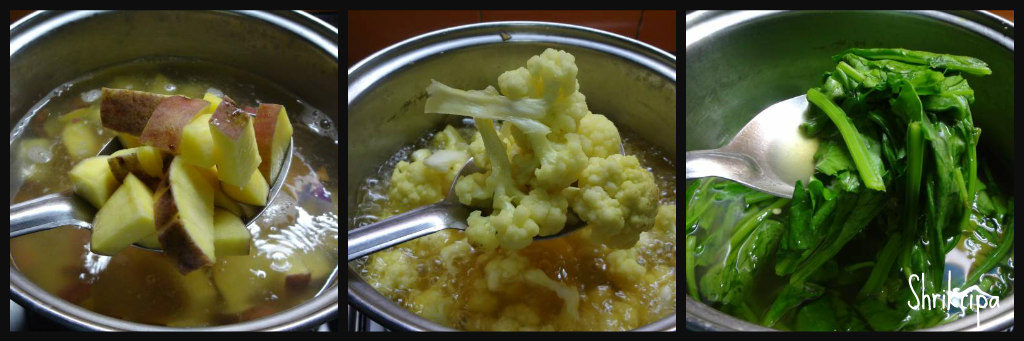
-Take one bowl of water, add salt, cook sweet potato and drain, keep aside.

-by using this same water blanch cauliflower florets, drain and keep aside.

-Now add chopped spinach to this water, add a pinch of sugar to retain green color and blanch. When it is cool, blend this and keep aside.

– Now make coarse powder of black pepper, clove, cinnamon and cardamom.

-Make a paste of tomato, green chilli and ginger.

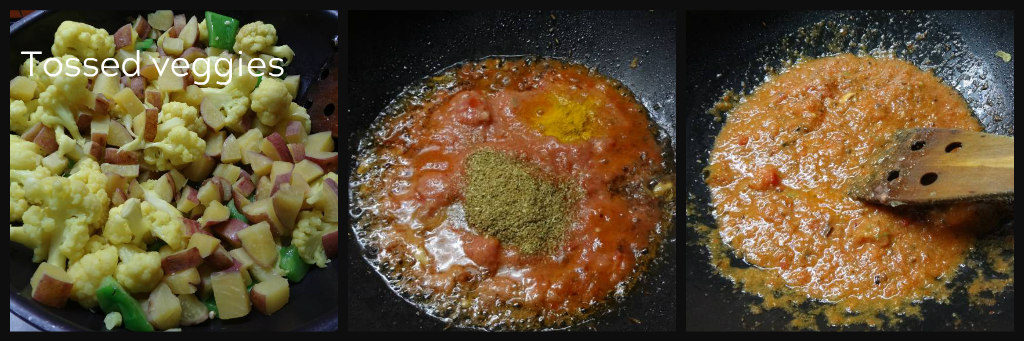
-Take one pan add 2 tsp of oil, when it is hot, add capsicum fry a little. Then add blanched cauliflower and sweet potato, toss and keep aside.

-In another tawa add oil, hing, jeera, powdered spices, tomato paste, turmeric, coriander powder, fry till oil leaves from the sides.

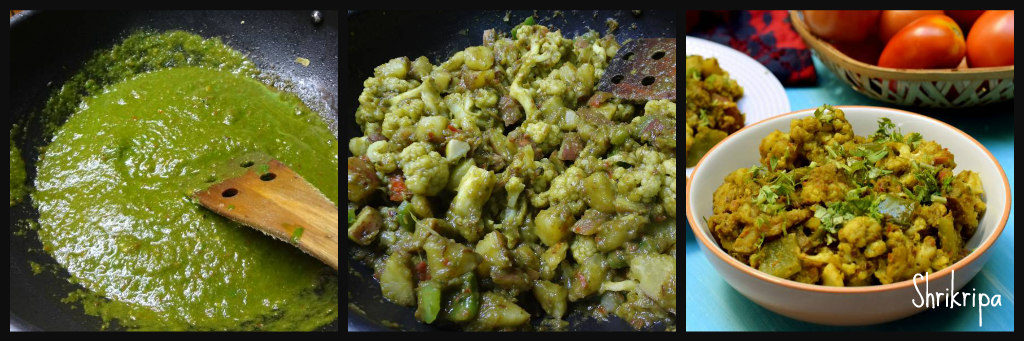
-Put spinach paste, check for salt and add tossed veggies. Mix till all the veggies are coated with masala and garnish with chopped coriander leaves.

-Enjoy with any kind of Indian flat breads or roti’s.


Dum Aloo:

Dum Aloo is originally from Kashmir. Normally baby potatoes are deep fried and dunked in a mild and flavorful gravy. Here I have made it without deep frying as well as without peeling the outer skin. I normally avoid removing outer skin of potatoes due to its nutritional value as well as the taste.

In dum aloo, curd is the main ingredient, which is used as a souring agent with the additional Indian spices. Dum aloo tastes very good with any Indian flat breads or with mild Pulav.

Ingredient:

Baby potatoes – 15

Onions – 3 medium size

Green chillies – 2

Ginger – 1 tsp (freshly chopped)

Oil – 3 to 4 table spoons

Fennel seeds – ½ tsp

Turmeric – ½ tsp

Red chilli powder – 1tsp

Garam masala – 1 tsp

Salt

Coriander powder – 1 tsp

Coriander leaves – 3 to 4 table spoons

Hung Curd – ¼ cup

Cashew chunks – 2 table spoons

Hot milk – ¼ cup

Kishmish / Dried grapes – 2 table spoons

Method:

-Soak cashews in Hot milk and keep aside.

-Wash potatoes, make half or quarter pieces according to its size.

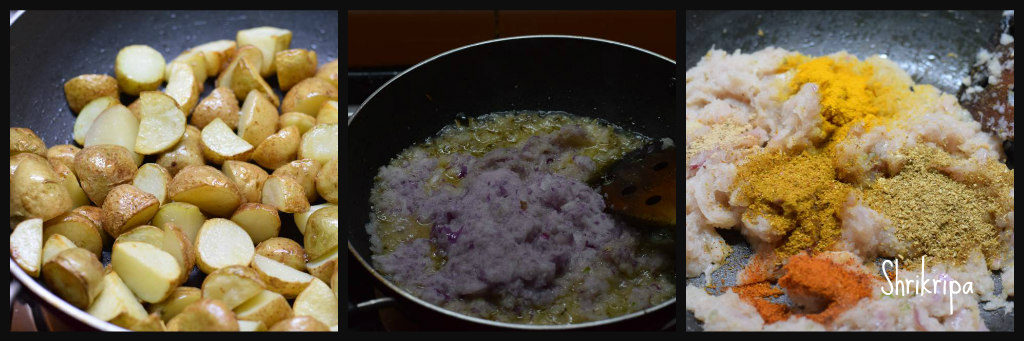
-Heat 1 table spoon of oil and roast potato pieces a little and keep aside.

-Take one mixer jar, dry churn onions, ginger and green chillies.

-Heat oil in a kadai, add fennel seeds, roughly churned onion – ginger- chilli.

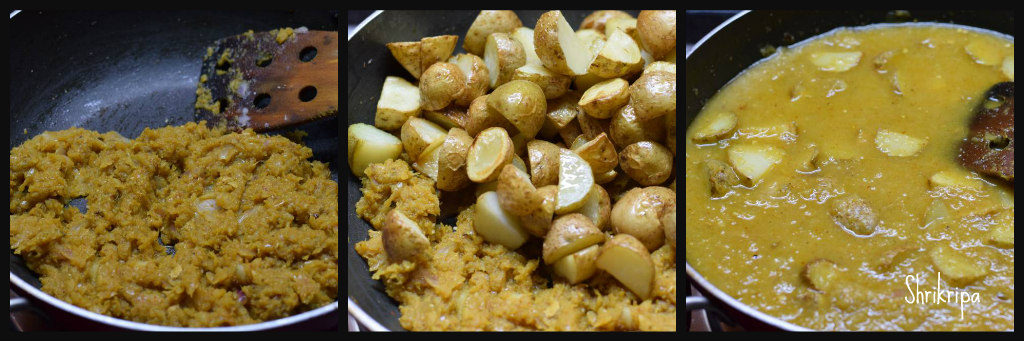
-Fry until it is light brown, add all the powders, salt and fry for a while and add roasted potatoes, cup of water and cook in a low flame.

-When potato is done, it is a time to switch off the gas. Never add curd while boiling the mixture, it curdles immediately.

-Now mix in curd, chopped coriander and mix everything, adjust the consistency by adding water and boil this mixture by switching on the gas.

-When gravy is ready, you would see a shiny layer at the surface. Switch off the gas.

-Now make a paste of cashew and milk and garnish the curry with cashew paste and dry grapes and serve with Roti or Pulav.


Tiffin Sambar:

Tiffin usually depicts south Indian breakfast. Normally Idli, Dosa, Pongal. This particular sambar is very good combination with Idlies or dosas as well as goes very well with mini idlies which normally known or served as 14 idlies, mini idlies or button idlies at restaurants.

In this sambar, we don’t use any coconut and basically a seasoned mixed dhal with sambar powder as well as baby onions, tomatoes and with or without drumstick pieces.

Ingredients:

Toor dal – 1 cup

Moong dal – ½ cup

Green chillies – 2 (slit)

Baby onions /shallots – 20 (halved)

Tomato – 1 (chopped)

Drum stick – 1 (Cut into 2” pieces) (optional)

Tamarind – 1 tsp

Salt

Jaggery – 1 tsp

Turmeric – 1 tsp

Sambar powder – As needed

Chopped coriander leaves – 2 table spoons

Seasoning:

Oil – 2 table spoons

Mustard – 1 tsp

Cumin – 1 tsp

Hing – ½ tsp

Curry leaves – 1 string

Method:

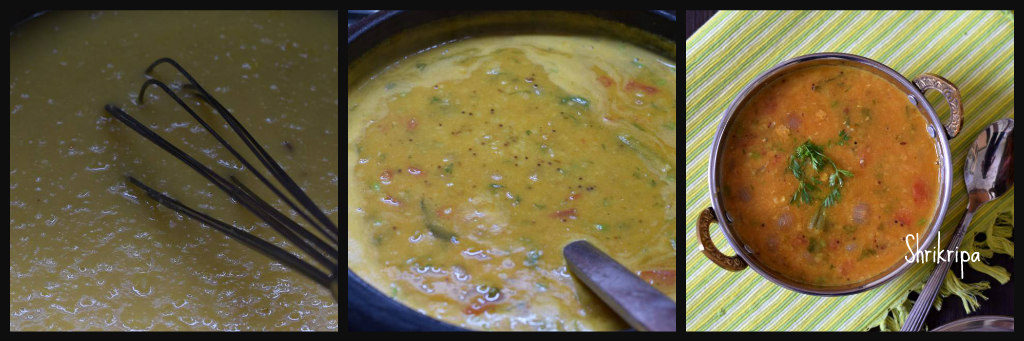
-Wash and cook toor and moong dal in a pressure cooker. Mash and keep aside.

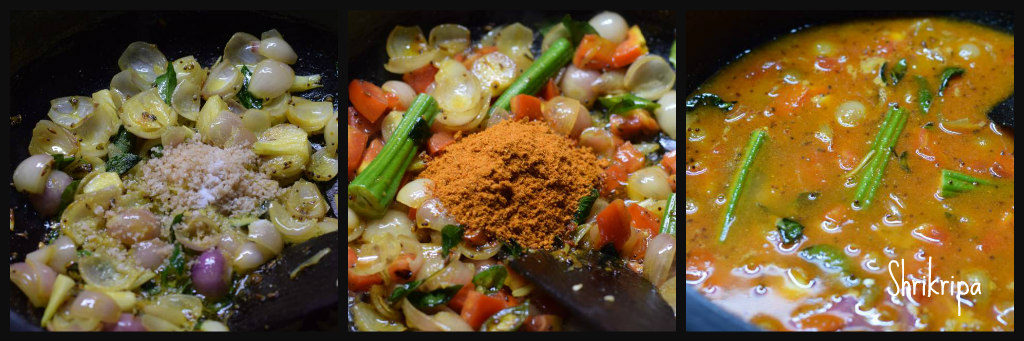
-Take one tawa, do seasoning. Heat Oil, splutter mustard, cumin, hing and curry leaves.

-Fry onion until it is transparent. Add turmeric, green chillies, tomato and drumstick pieces as well as salt and fry until tomato cooks.

-Add Sambar powder toss for 2 minutes and pour tamarind water, jaggery and boil.

-Add Cooked dal and adjust the consistency and boil nicely.

-Garnish with chopped coriander and serve as a side dish for any south Indian breakfast items.

-If you are serving with Button idlies/ mini idlies Pour one to two serving spoons of sambar, place 14 idlies and once again pour some sambar over those idlies and serve.